
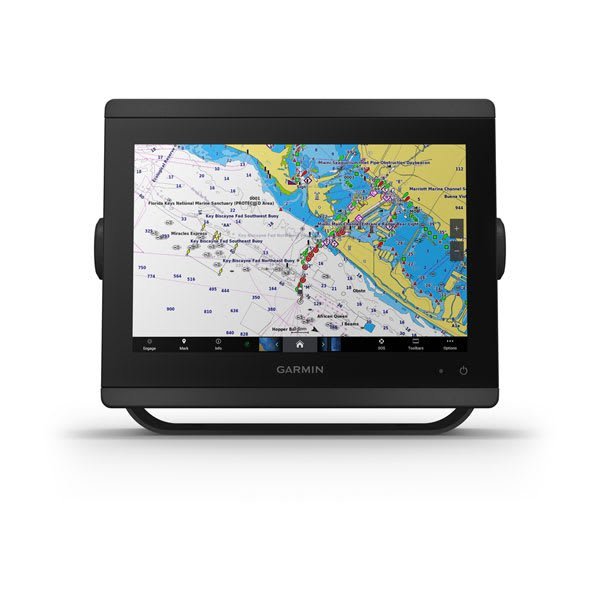
Walking into fish finder shopping cold is genuinely confusing — screen sizes, sonar types and acronyms everywhere. Here’s what actually matters when choosing your first unit.
1. Screen size
Bigger isn’t always better — it’s about your boat and budget. A 5-7 inch screen suits kayaks and small boats. 9 inches is the sweet spot for most trailer boats. 12 inches and up make sense once you’re running split-screen views or forward-facing sonar regularly.
2. Sonar type
- CHIRP (traditional) sonar — shows fish arches and bottom structure directly below the boat
- Down imaging — near-photographic detail directly beneath you, great for identifying structure
- Side imaging — scans wide to either side, excellent for covering water quickly to find structure and schools
3. Do you need GPS?
If you want to mark waypoints, navigate home in poor visibility, or eventually add charts, get a GPS-equipped unit from the start — retrofitting later means buying a new unit rather than adding a module.
4. Budget guide
For a realistic starting budget, see our Best Marine GPS Under £500 guide. Ready to compare our full range? Browse fish finders in the shop, or ask us directly — tell us your boat and budget and we’ll point you to the right unit.