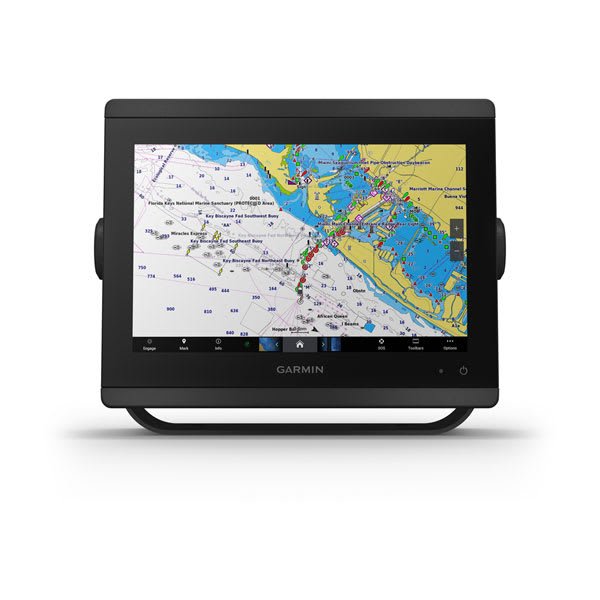
Offshore and sea fishing put a premium on reliability and safety rather than the sonar sophistication that inshore bass fishing chases. Here’s the priority order we’d recommend.
1. A reliable chartplotter with AIS
Knowing where commercial traffic is matters offshore in a way it rarely does inshore. A chartplotter with AIS overlay isn’t a luxury out past the harbour — see our Best Chartplotter for UK & European Waters guide.
2. Fixed-mount VHF, plus a handheld backup
A fixed VHF with DSC is your primary means of raising the coastguard offshore. A handheld backup, ideally floating and waterproof, covers you if you have to abandon ship or the fixed unit fails. See our Fixed vs Handheld VHF guide.
3. A personal locator beacon
If you regularly fish beyond VHF range or in exposed water, a PLB is genuinely cheap insurance against the worst-case scenario. See our Best PLB guide.
Building an offshore-ready setup? Get in touch — we’ll help make sure nothing important gets missed.
A PFD you don’t wear does nothing for you. The best life jacket is the one that’s comfortable enough to leave on all day — here’s how the options we stock compare, from foam fishing vests to auto-inflating hydrostatic PFDs.
Foam Fishing PFDs: Stohlquist Fisherman PFD and NRS Chinook OS Fishing PFD
Both the Stohlquist Fisherman PFD (£160.99) and NRS Chinook OS Fishing PFD (£195.99) are built specifically for anglers — low-profile foam vests with rod-friendly cut, tackle storage pockets and no inflation mechanism to service or replace. They’re the simplest, lowest-maintenance option and work in any water temperature or condition.
Auto-Inflatable PFDs: Mustang Survival MIT 100 Automatic Inflatable PFD and Mustang Survival Khimera Auto Hydrostatic Inflatable PFD
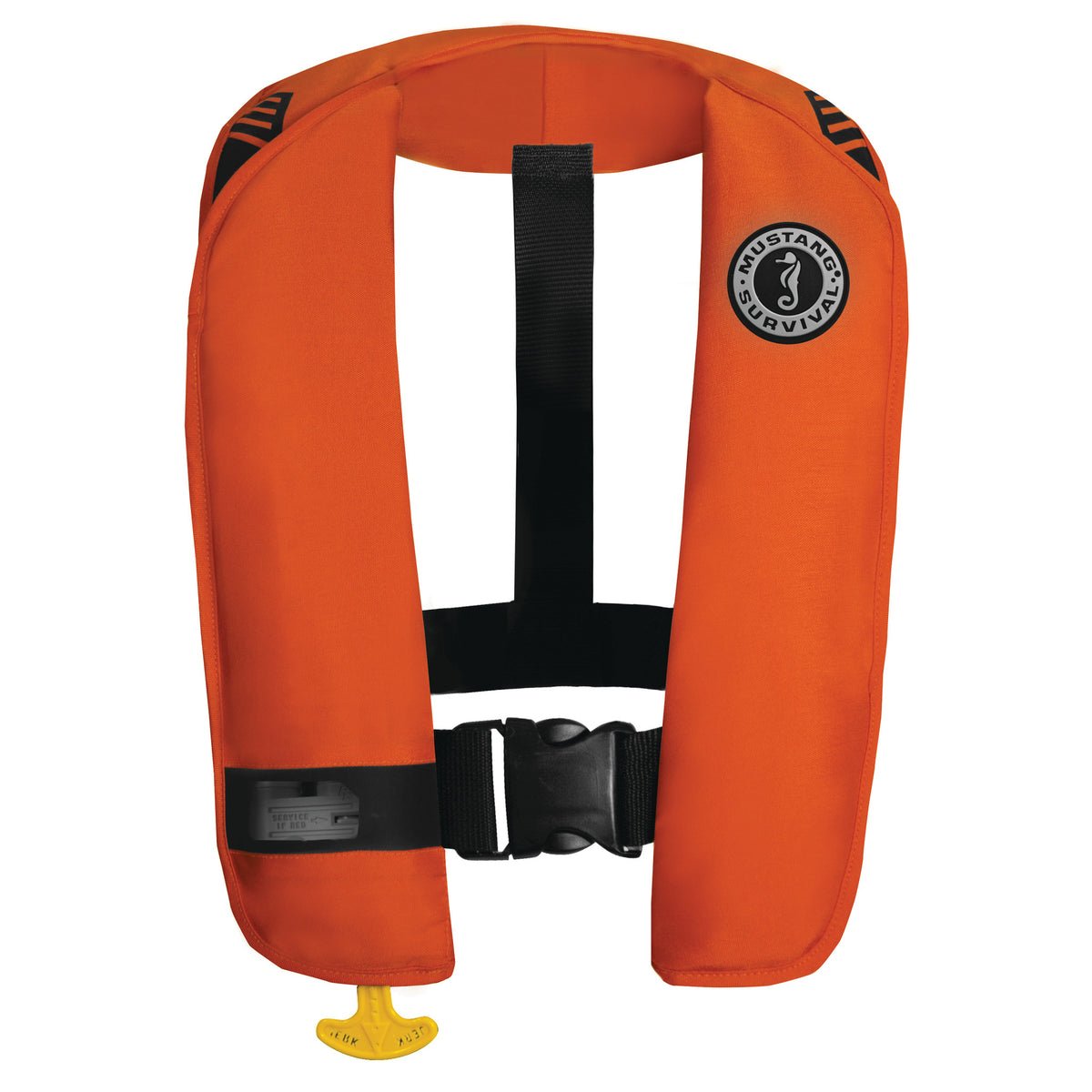
The Mustang Survival MIT 100 Automatic Inflatable PFD (£229.99) inflates automatically on water contact, staying low-profile and comfortable to wear all day — popular with sailors and cruisers who want minimal bulk. The Mustang Survival Khimera Auto Hydrostatic Inflatable PFD (£459.99) upgrades to hydrostatic inflation, which triggers based on water pressure at depth rather than simple moisture contact — reducing the risk of accidental inflation from rain or spray, a genuine advantage in UK conditions.
Foam vs Inflatable: Which Should You Choose?
Foam vests need no servicing, work immediately with no false-inflation risk, and are the standard choice for anglers who need freedom of movement and pocket storage.
Inflatable PFDs are far less bulky and more comfortable for long days, but need annual servicing (checking the CO2 cylinder and firing mechanism) to stay reliable.
Hydrostatic inflation is worth the extra cost if you’re regularly exposed to rain, spray or wash that could trigger a standard auto-inflate PFD by mistake.
Frequently Asked Questions
Do inflatable PFDs need servicing? Yes — manufacturers generally recommend annual inspection and replacement of the CO2 cylinder and firing mechanism to keep them reliable.
Is a foam vest warmer than an inflatable? Foam vests provide a small amount of extra insulation; for cold UK water, consider layering appropriate clothing underneath either type rather than relying on the PFD for warmth.
What’s the difference between automatic and hydrostatic inflation? Standard auto-inflate PFDs trigger on moisture contact, which can occasionally cause false inflation in heavy rain or spray. Hydrostatic models trigger based on actual water pressure at a set depth, reducing false activations.
Not sure which PFD suits your fishing or boating style? Our team can help you choose — browse the full range in our online shop.