Author: Admin

  • Garmin GPSMAP vs Simrad NSS evo3S: Flagship Chartplotter Comparison

    Garmin GPSMAP vs Simrad NSS evo3S: Flagship Chartplotter Comparison

    Garmin GPSMAP vs Simrad NSS evo3S flagship chartplotter comparison

    Garmin and Simrad are two of the biggest names in marine electronics, and both build genuinely excellent chartplotters — the choice usually comes down to ecosystem, interface preference and what you already run on the boat. Here’s how their flagship-class units stack up.

    Garmin GPSMAP 943xsv GN+ Chartplotter Fishfinder with GT56 Transducer Bundle vs Simrad NSS9 evo3S 9-Inch Chartplotter Fishfinder with C-MAP Discover Charts

    Garmin GPSMAP 943xsv GN+ Chartplotter Fishfinder with GT56 Transducer BundleSimrad NSS9 evo3S 9-Inch Chartplotter Fishfinder with C-MAP Discover Charts
    Price£2298.99£1378.99
    Screen9-inch9-inch
    Sonar includedGT56 transducer bundledActive Imaging compatible
    EcosystemGarmin ActiveCaptain, Panoptix LiveScope readySimrad/B&G/Lowrance shared platform

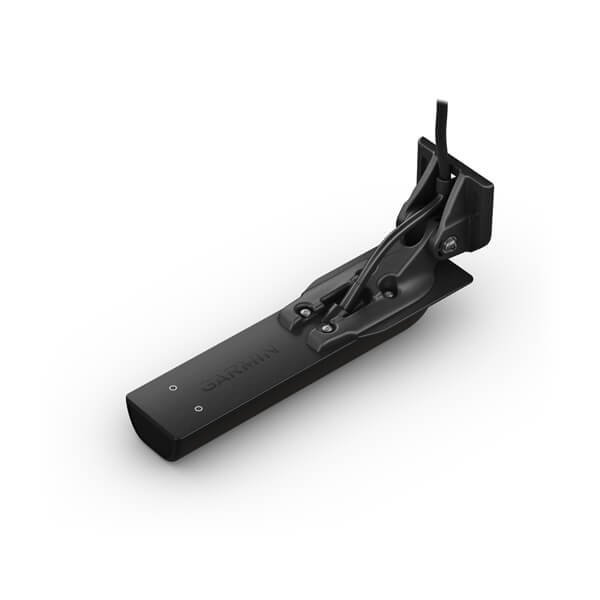
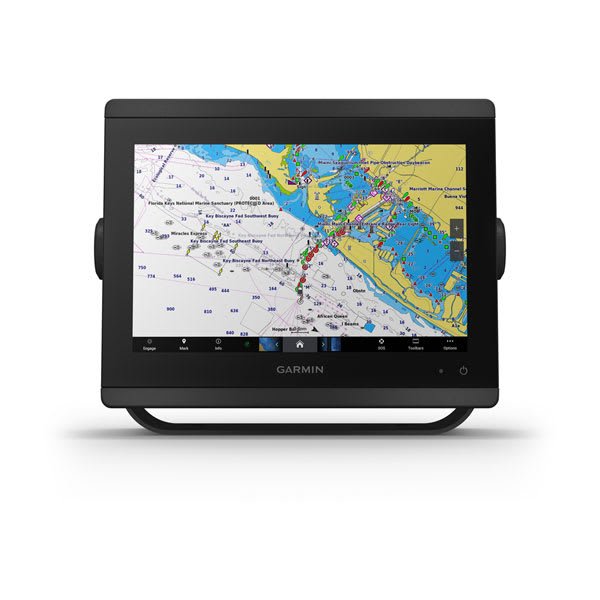
    The Garmin GPSMAP 943xsv GN+ Chartplotter Fishfinder with GT56 Transducer Bundle comes bundled with a GT56 transducer, so you’re getting CHIRP sonar and ClearVü scanning sonar from day one — useful if you don’t already own a compatible transducer. It also sits inside Garmin’s wider ecosystem, meaning it’s ready to add a Panoptix LiveScope live sonar system down the line without needing a different brand of display.

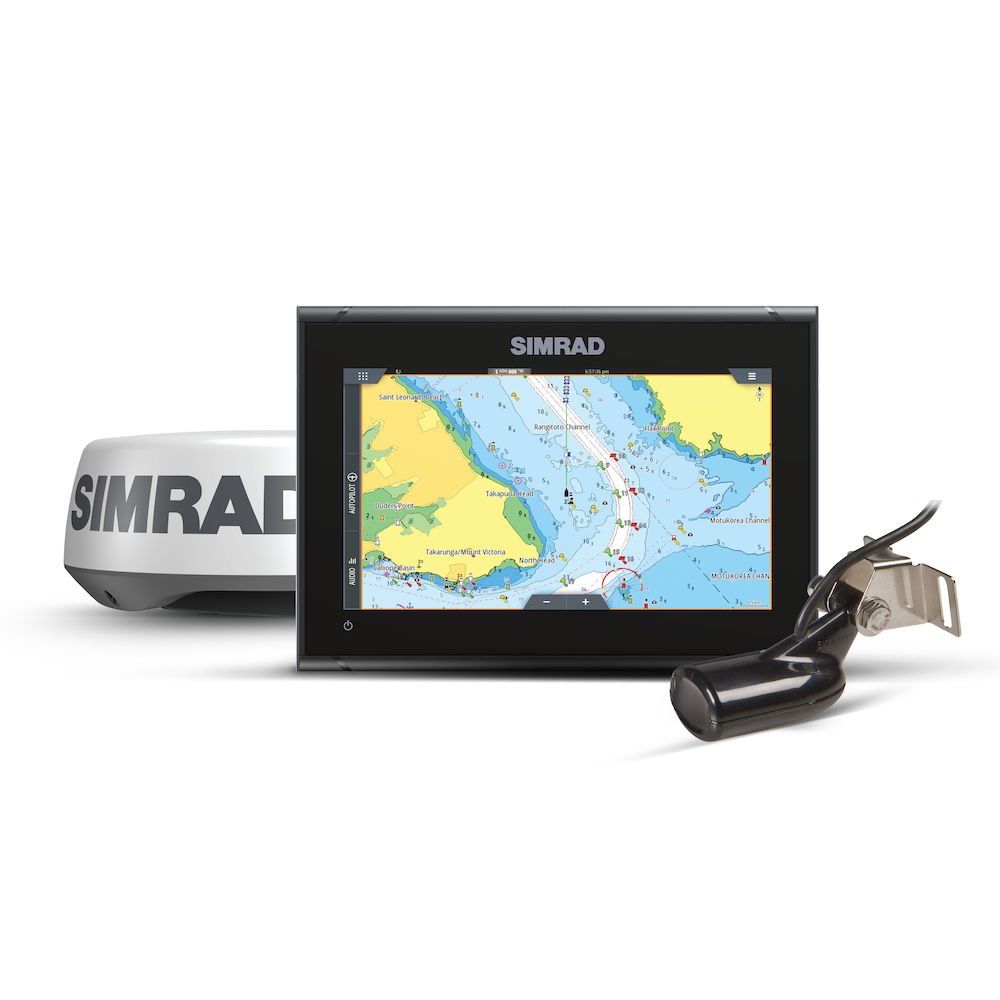
    The Simrad NSS9 evo3S 9-Inch Chartplotter Fishfinder with C-MAP Discover Charts runs Simrad’s evo3S platform, sharing its operating system and much of its interface with Lowrance and B&G displays — handy if other boats you use, or other electronics on board, are already in that ecosystem. It comes with C-MAP Discover charts included, and supports Simrad’s Active Imaging sonar and radar lineup for future expansion.

    Which Should You Choose?

    • Choose Garmin if you want the sonar transducer included in the box, plan to add Panoptix LiveScope live sonar later, or already run Garmin handhelds/watches that sync with ActiveCaptain.
    • Choose Simrad if you want C-MAP charts included, run other Simrad/B&G/Lowrance electronics already, or plan to add Simrad radar to the network.
    • Budget stretch: if screen size matters more than ecosystem, the Garmin GPSMAP 1242xsv GN+ Chartplotter Fishfinder (£2759.99) and Garmin GPSMAP 8616xsv GN+ 16-Inch Multifunction Display (£5196.99) step up to 12-inch and 16-inch Garmin displays for a genuinely bigger picture at the helm.

    Frequently Asked Questions

    Is Garmin or Simrad easier to use?
    Both use touchscreen-first interfaces with physical keys as backup. Garmin’s menus lean slightly more icon-driven; Simrad’s lean on a consistent top-level menu bar. Most users adapt to either within a few outings.

    Can I mix brands on one boat?
    You can run different brands for different functions (say, a Garmin chartplotter with a separate VHF radio), but networked features like shared sonar and radar generally need same-brand displays.

    Which has better sonar out of the box?
    The Garmin comes with a transducer bundled, so it’s ready to fish immediately; the Simrad needs a compatible transducer added if you don’t already own one.

    Still weighing up Garmin vs Simrad for your boat? Our team can talk through your existing electronics and network before you commit — browse both ranges in our online shop.
  • Best Chartplotter for UK & European Waters 2026

    Best Chartplotter for UK & European Waters 2026

    best chartplotter for UK and European waters

    A good chartplotter is the one piece of marine electronics you’ll rely on every single trip — for navigation, tide and current data, AIS traffic and, on combo units, sonar too. UK and European waters bring their own demands: busy shipping lanes, changeable tides and detailed inshore charts, so mapping accuracy and screen clarity matter as much as raw sonar power. Here’s how the chartplotters we stock compare.

    Chartplotter Comparison Table

    ChartplotterScreenPrice
    Garmin GPSMAP 86sc Handheld Marine GPS with BlueChart g3 ChartsHandheld£574.99
    Simrad GO9 XSE with C-MAP Discover Charts and Active Imaging Transducer9-inch£1148.99
    Simrad NSS9 evo3S 9-Inch Chartplotter Fishfinder with C-MAP Discover Charts9-inch£1378.99
    Garmin GPSMAP 8610xsv GN+ Multifunction Chartplotter10-inch£2183.99
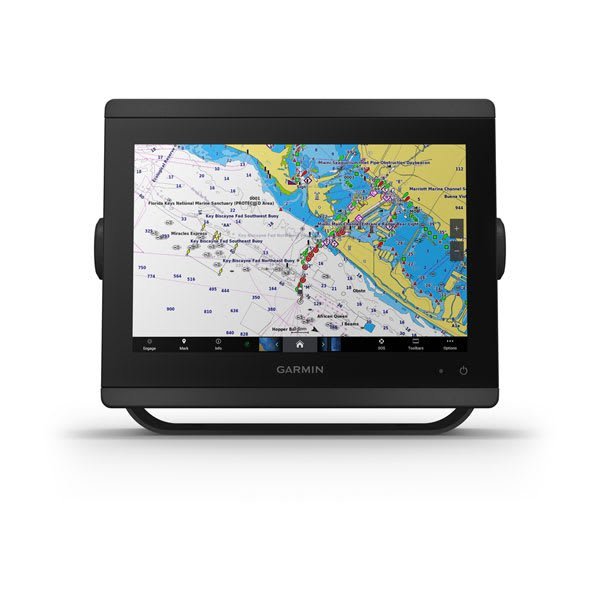
    Garmin GPSMAP 943xsv GN+ Chartplotter Fishfinder with GT56 Transducer Bundle9-inch combo£2298.99
    Raymarine AXIOM+ 12RV with LightHouse UK & Ireland Charts12-inch£2563.99
    Garmin GPSMAP 1242xsv GN+ Chartplotter Fishfinder12-inch£2759.99
    Humminbird SOLIX 12 CHIRP MEGA SI+ G312-inch flagship£2874.99

    Best Handheld: Garmin GPSMAP 86sc Handheld Marine GPS with BlueChart g3 Charts

    At £574.99, the Garmin GPSMAP 86sc Handheld Marine GPS with BlueChart g3 Charts is a genuinely useful backup or dinghy chartplotter — preloaded BlueChart g3 coastal charts, GPS and a sunlight-readable screen in a handheld that fits a pocket or lifejacket. Not a replacement for a fixed helm unit on anything but the smallest craft, but an excellent backup for bigger boats.

    Best Value 9-inch: Simrad GO9 XSE with C-MAP Discover Charts and Active Imaging Transducer vs Simrad NSS9 evo3S 9-Inch Chartplotter Fishfinder with C-MAP Discover Charts

    Both Simrad units sit in the £1148.99–£1378.99 range and share the brand’s clean, fast NSS-style interface. The Simrad GO9 XSE with C-MAP Discover Charts and Active Imaging Transducer is the more accessible entry point; the Simrad NSS9 evo3S 9-Inch Chartplotter Fishfinder with C-MAP Discover Charts steps up with the evo3S platform’s faster processor and broader networking options if you plan to add radar or a second display later.

    Best Combo Unit: Garmin GPSMAP 943xsv GN+ Chartplotter Fishfinder with GT56 Transducer Bundle

    The Garmin GPSMAP 943xsv GN+ Chartplotter Fishfinder with GT56 Transducer Bundle bundles a GT56 transducer in with the chartplotter, so you get CHIRP sonar and ClearVü scanning sonar out of the box rather than buying a transducer separately — a sensible way to avoid a second purchase down the line.

    Best 12-inch Displays: Raymarine AXIOM+ 12RV with LightHouse UK & Ireland Charts, Garmin GPSMAP 1242xsv GN+ Chartplotter Fishfinder and Humminbird SOLIX 12 CHIRP MEGA SI+ G3

    For helm-mounted use on larger boats, a 12-inch screen makes split-screen chart and sonar views genuinely readable at a glance. The Raymarine AXIOM+ 12RV with LightHouse UK & Ireland Charts comes with UK & Ireland charts preloaded, which is worth factoring into the price versus units that need charts bought separately. The Garmin GPSMAP 1242xsv GN+ Chartplotter Fishfinder and Humminbird SOLIX 12 CHIRP MEGA SI+ G3 sit at the top of the range for anglers and cruisers who want maximum chart and sonar detail on one screen.

    What to Look for in a UK & European Chartplotter

    • Chart coverage: confirm UK & Ireland or wider European chart cards are included or available — not every unit ships with local charts preloaded.
    • AIS compatibility: useful in busy UK shipping lanes and the Channel; check whether an AIS receiver is built in or needs adding separately.
    • Networking: if you might add radar, a second display or an autopilot later, check the unit supports NMEA 2000 or the brand’s proprietary network.
    • Sonar bundling: combo units with a transducer included are usually better value than buying chartplotter and transducer separately.

    Frequently Asked Questions

    Do I need a 12-inch chartplotter?
    Only if you’re viewing it from a distance at the helm or want a large split-screen view. A 9-inch unit is plenty for most small to mid-sized boats.

    Are UK charts included?
    It varies by brand and bundle — the Raymarine AXIOM+ 12RV with LightHouse UK & Ireland Charts includes UK & Ireland charts, while some units require a separate chart card. Check the individual listing before you buy.

    Can I network multiple chartplotters together?
    Yes — Garmin, Simrad and Raymarine units in the same family can typically share sonar, radar and autopilot data across multiple displays on the same network.

    Not sure which chartplotter fits your boat and network? Our team can help you spec the right screen size and chart coverage — browse the full range in our online shop.

  • Best Fish Finder UK 2026: Top 7 Picks for Every Budget

    Best Fish Finder UK 2026: Top 7 Picks for Every Budget

    best fish finder UK 2026 top picks

    Choosing the best fish finder in the UK for 2026 comes down to matching sonar power, screen size and mapping features to how and where you actually fish — a small boat angler chasing bass off the Solent has very different needs to someone running a rigged bass boat on a reservoir. Below are seven fish finders we stock, picked to cover every realistic budget from your first unit to a full flagship display.

    Our Top 7 Fish Finder Picks for 2026

    Fish FinderBest ForPrice
    Garmin STRIKER Plus 4 Fish Finder with GPSBest budget entry point£172.99
    Lowrance Hook Reveal 5 TripleShot Fish FinderBest value TripleShot sonar£287.99
    Humminbird HELIX 5 CHIRP GPS G3 Fish FinderBest compact GPS unit£287.99
    Deeper PRO+ 2 Smart Sonar Castable WiFi Fish FinderBest for kayak and bank fishing£229.99
    Lowrance HOOK Reveal 7 TripleShot with SideScanBest mid-range SideScan£574.99
    Humminbird HELIX 10 CHIRP MEGA SI+ GPS G4N Display UnitBest large-screen display£1263.99
    Humminbird HELIX 12 CHIRP MEGA SI+ GPS G4NBest all-round flagship£1954.99

    Best Budget Fish Finder: Garmin STRIKER Plus 4 Fish Finder with GPS

    At £172.99, the Garmin STRIKER Plus 4 Fish Finder with GPS is the easiest way to get built-in GPS and CHIRP sonar on a small boat or kayak without spending big. It won’t compete with a flagship on screen size, but it plots waypoints, marks your favourite marks and shows water temperature — genuinely useful basics that a lot of anglers never move past.

    Best Value: Lowrance Hook Reveal 5 TripleShot Fish Finder vs Humminbird HELIX 5 CHIRP GPS G3 Fish Finder

    Both the Lowrance Hook Reveal 5 TripleShot Fish Finder and Humminbird HELIX 5 CHIRP GPS G3 Fish Finder sit around £287.99, and both bring proper GPS mapping into the budget bracket. The Lowrance leans on TripleShot sonar for wider side coverage, while the Humminbird’s CHIRP DualBeam PLUS sonar is slightly better at picking out individual fish arches in deeper water. If you fish mixed structure and open water, the Lowrance’s side coverage tends to find more; if you fish primarily deep water for species like pike or cod, the Humminbird’s target separation has the edge.

    Best for Kayak and Bank Fishing: Deeper PRO+ 2 Smart Sonar Castable WiFi Fish Finder

    Not every angler wants a fixed transducer. The Deeper PRO+ 2 Smart Sonar Castable WiFi Fish Finder is a castable, WiFi-connected sonar ball that pairs to your phone — cast it out from the bank, a kayak or a float tube and it maps depth and fish position in real time. At £229.99, it’s the only fish finder on this list that needs no mounting or wiring at all.

    Best Mid-Range: Lowrance HOOK Reveal 7 TripleShot with SideScan

    Step up to £574.99 and the Lowrance HOOK Reveal 7 TripleShot with SideScan adds a bigger 7-inch display and proper SideScan alongside TripleShot sonar — enough to actually read structure either side of the boat rather than just what’s directly underneath.

    Best Large-Screen and Flagship Options

    For serious tournament anglers, the Humminbird HELIX 10 CHIRP MEGA SI+ GPS G4N Display Unit (£1263.99) and Humminbird HELIX 12 CHIRP MEGA SI+ GPS G4N (£1954.99) bring MEGA Side Imaging and MEGA Down Imaging with genuinely crisp, photo-like structure detail. If budget stretches further, the Humminbird XPLORE 12 CMSI+ Fish Finder (£2989.99) and Humminbird SOLIX 12 CHIRP MEGA SI+ G3 (£2874.99) sit at the top of the range, built for anglers who want the largest, sharpest picture available and don’t want to compromise on chart detail or split-screen views.

    How to Choose the Right Fish Finder

    • Screen size: 4–5 inches suits kayaks and small boats; 9 inches and up suits helm-mounted use on larger boats where you’ll glance at it from a distance.
    • Sonar type: CHIRP gives sharper target separation in deep water; Side/Down Imaging gives a wider, more photo-realistic view of structure either side of the boat.
    • GPS and mapping: worth having on any unit above entry level — it turns a fish finder into a basic chartplotter for marking spots and finding your way home.
    • Transducer compatibility: higher-end units support swappable or dual transducers, useful if you fish both shallow inshore marks and deep offshore water.

    Frequently Asked Questions

    What’s the best fish finder for a small boat under 16 feet?
    A 5–7 inch unit like the Lowrance Hook Reveal 5 TripleShot Fish Finder or Lowrance HOOK Reveal 7 TripleShot with SideScan gives enough screen space without dominating the console.

    Do I need Side Imaging?
    Only if you fish structure — docks, weed lines, drop-offs. If you mostly fish open water or troll, standard CHIRP sonar with GPS is enough.

    Can I use a fish finder as my only chartplotter?
    Combination units like the Humminbird HELIX and Garmin GPSMAP ranges include full chart plotting, so yes — many UK anglers run one as their sole display.

    Still deciding which fish finder suits your boat and budget? Our UK-based team can talk through your setup before you buy — or browse the full range in our online shop.

  • Best Marine Battery UK 2026: Lithium vs AGM Complete Guide

    Best Marine Battery UK 2026: Lithium vs AGM Complete Guide

    best marine battery UK 2026 lithium vs AGM

    Looking for the Best Marine Battery in the UK for 2026?

    Whether you run a trolling motor on a Midlands reservoir, power a bank of electronics on the Solent, or fish Irish loughs from a kayak, the battery under your deck decides how long you stay on the water. In 2026 the big question for UK boaters is no longer if lithium is worth it, but which lithium battery to buy. This guide compares lithium (LiFePO4) against traditional AGM lead-acid and walks through our top marine battery picks, all in stock now at Pro Marine Electronics with UK delivery.

    The short version: AGM batteries are cheaper upfront and still fine as engine-start batteries, but for deep-cycle house and trolling duties, LiFePO4 wins on nearly every measure that matters in UK and European waters — roughly half the weight of an equivalent AGM, far more usable capacity (you can safely use 80–100% of a lithium battery’s rated Ah versus around 50% for AGM), steadier voltage under load for sonar and chartplotters, and a cycle life measured in thousands rather than hundreds of charges. Over five seasons, lithium usually works out cheaper per trip.

    Key Buying Considerations

    • Chemistry: LiFePO4 (lithium iron phosphate) is the safe, stable lithium chemistry used in all our marine batteries — not to be confused with other lithium-ion types.
    • Capacity (Ah): 100Ah suits all-day trolling motor use; 50–54Ah suits kayaks, small boats and electronics-only setups; 10Ah handles a single fish finder.
    • Weight: A 100Ah LiFePO4 typically weighs 12–15kg versus 27–30kg for a 100Ah AGM — a serious difference on a kayak or light boat.
    • Usable capacity and voltage: Lithium holds voltage near 13V until nearly empty, so your electronics and motor perform consistently all day.
    • Charging: LiFePO4 needs a charger with a lithium profile — a standard lead-acid charger will not charge it fully or safely.
    • Protection: Any trolling motor circuit should include a suitably rated circuit breaker between battery and motor.

    Our Top Picks for 2026

    1. Dakota Lithium 100Ah 12V LiFePO4 Marine Battery — Best Overall

    The Dakota Lithium 100Ah 12V LiFePO4 Marine Battery (£678.99) is our best all-round marine battery for 2026. With 100Ah of usable deep-cycle capacity in a package far lighter than an equivalent AGM, it will run a 12V trolling motor all day and still keep your sonar alive. Supplied as a genuine UK/EU-spec unit and compatible with UK/EU 12V marine electrical systems, it is the sensible default for most UK boat anglers upgrading from lead-acid.

    2. Relion RB100-LT 12V 100Ah LiFePO4 — Best Premium Pick

    If you fish year-round — winter pike trips, early-spring cod sessions — the Relion RB100-LT 12V 100Ah LiFePO4 Lithium Battery (£804.99) is the premium choice. Relion’s LT series is designed with low-temperature use in mind, making it well suited to the cold, damp conditions UK and Irish anglers actually fish in. It costs more than the Dakota, but for a four-season boat it is money well spent.

    3. Amped Outdoors 50Ah Slim LiFePO4 — Best for Kayaks & Tight Spaces

    The Amped Outdoors 50Ah Slim LiFePO4 12V Battery (£459.99) uses a slim form factor designed to slide into kayak hulls and narrow battery lockers where a standard battery box will not fit. 50Ah is plenty for a fish finder plus a kayak trolling motor on a typical day session, and the low weight transforms how a pedal or paddle kayak handles.

    4. Dakota Lithium 54Ah 12V LiFePO4 Deep Cycle — Best Mid-Capacity Value

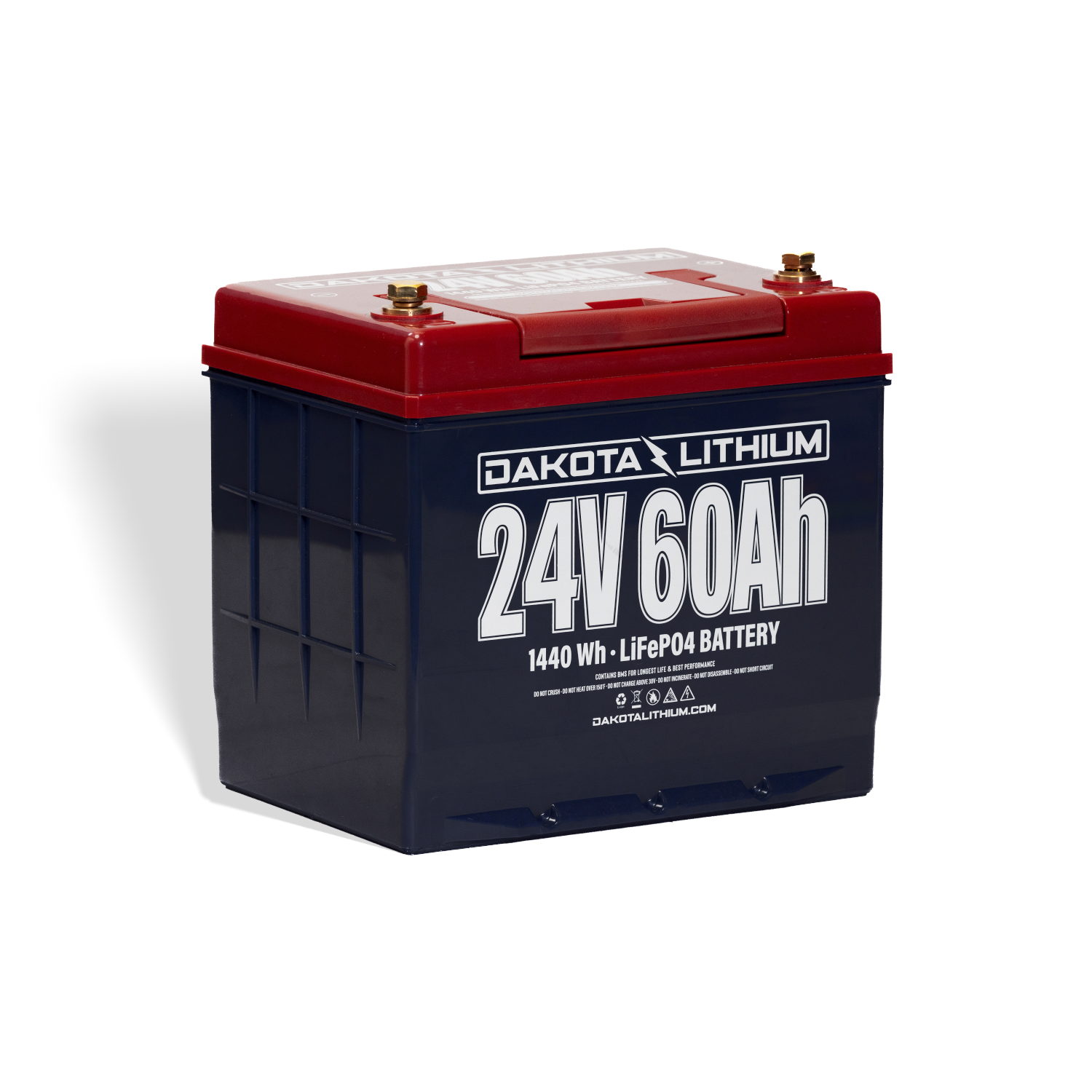
    The Dakota Lithium 54Ah 12V LiFePO4 Deep Cycle Battery (£402.99) hits the sweet spot for small boats and dinghies: enough capacity to run electronics all day with power to spare for a modest trolling motor, at a weight one person can carry with one hand. A popular choice for anglers running a single sounder with occasional motor use.

    5. Nocqua 10Ah 12V Lithium Power Pack — Best for Fish Finders Only

    Just need to power a fish finder on a kayak or belly boat? The Nocqua 10Ah 12V Lithium Power Pack (£252.99) is a compact, purpose-built solution that will comfortably run a typical sounder for a full day on the water without the bulk of a deep-cycle battery.

    6. NOCO Genius 10 Smart Charger — Essential Companion

    Whichever battery you choose, pair it with the right charger. The NOCO Genius 10 10A Smart Battery Charger (£91.99) charges both lithium and lead-acid chemistries with dedicated modes, so it covers your new LiFePO4 house battery and your existing AGM starter battery alike.

    7. Blue Sea Systems 100A Circuit Breaker — Don’t Skip Protection

    The Blue Sea Systems 100A Manual Reset Circuit Breaker (£57.99) belongs in every trolling motor installation. It protects your battery, wiring and motor from faults, and the manual-reset design means no hunting for spare fuses when you’re afloat.

    Comparison Table: Best Marine Batteries UK 2026

    ProductPriceBest For
    Dakota Lithium 100Ah LiFePO4£678.99Best overall — all-day trolling motor use
    Relion RB100-LT 100Ah LiFePO4£804.99Premium pick — year-round, cold-weather boating
    Amped Outdoors 50Ah Slim LiFePO4£459.99Kayaks and tight battery compartments
    Dakota Lithium 54Ah LiFePO4£402.99Small boats — electronics plus light motor use
    Nocqua 10Ah Lithium Power Pack£252.99Fish finder power on kayaks
    NOCO Genius 10 Charger£91.99Charging lithium and AGM batteries
    Blue Sea 100A Circuit Breaker£57.99Trolling motor circuit protection

    Why Buy From Pro Marine Electronics?

    We are a UK-based marine electronics specialist, and every battery and accessory we sell is a genuine UK/EU-spec unit — no grey imports, no compatibility surprises. Every order is covered by the full manufacturer warranty valid across the UK and EU, ships fully insured with fast delivery to the UK, Ireland and mainland Europe, and is backed by our 30-day returns promise. See our delivery, returns and warranty policy for full details.

    Still weighing up lithium vs AGM for your boat? Our UK-based team of real anglers can spec the right battery, charger and wiring for your setup before you spend a penny — or browse the full range in our online shop today.

  • Minn Kota Ultrex Quest vs MotorGuide Xi5: Best GPS Trolling Motor in 2025?

    Minn Kota Ultrex Quest vs MotorGuide Xi5: Best GPS Trolling Motor in 2025?

    Minn Kota Ultrex Quest GPS trolling motor vs MotorGuide Xi5

    If you’re choosing between the Minn Kota Ultrex Quest and the MotorGuide Xi5, you’re shopping for the best GPS-enabled trolling motor money can buy. Both have legions of loyal anglers. Both integrate with major fish finder brands. But they take very different approaches to boat control, and the right choice depends on how you fish.

    Quick Verdict

    The Minn Kota Ultrex Quest wins for Humminbird users, anglers who prioritise hands-free boat control, and those who want the most advanced steer-by-wire technology. The MotorGuide Xi5 wins for anglers who prefer Garmin integration, want a more affordable entry point into GPS trolling, and fish primarily in open water scenarios.

    Design Philosophy

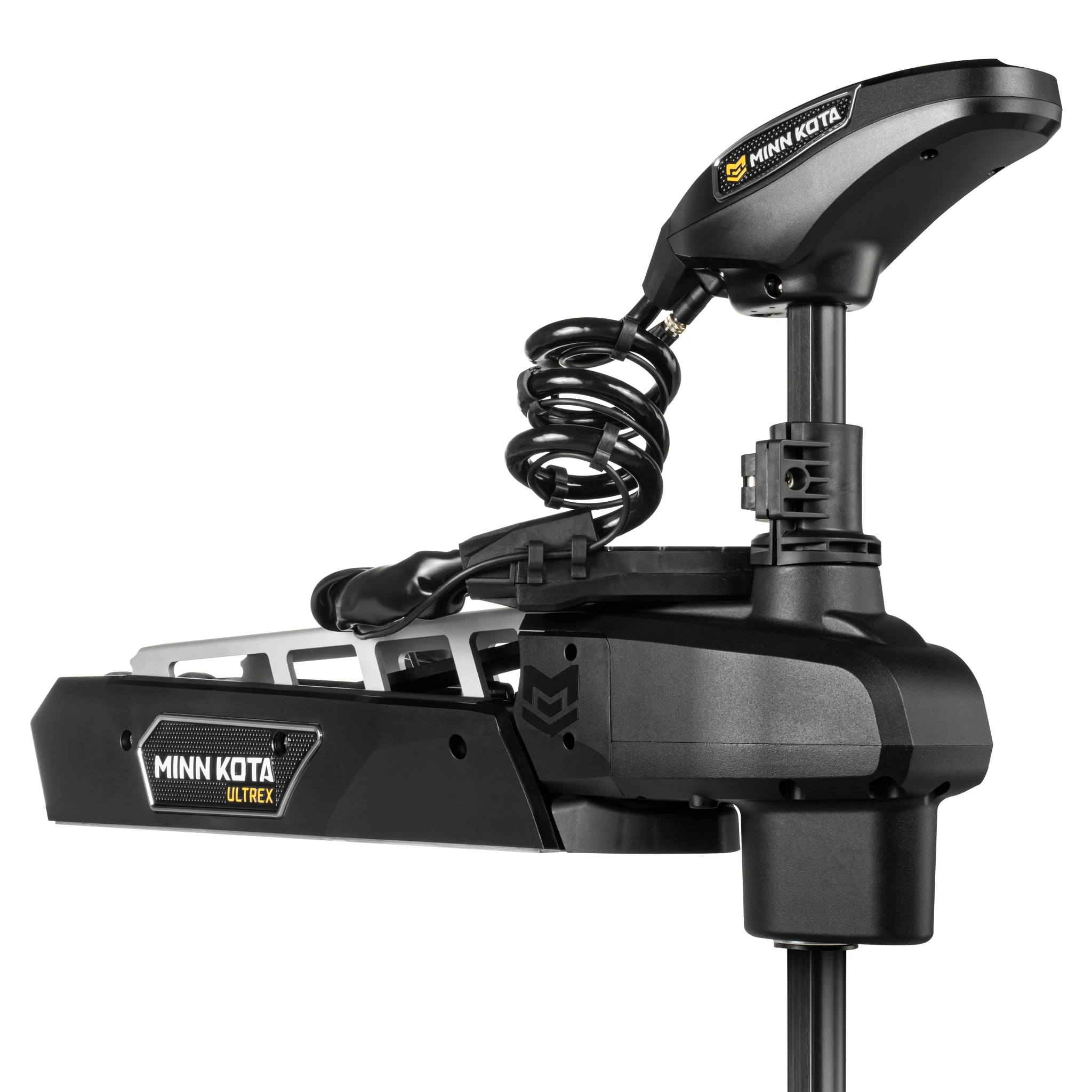
    The Ultrex Quest uses Minn Kota’s acclaimed Universal Sonar 2 integration and features their redesigned brushless motor system delivering 112 lbs of thrust. The Quest model added significant improvements to the motor, cable management, and control interface over the original Ultrex.

    The MotorGuide Xi5 uses a 55 lb, 80 lb, or 105 lb thrust brushless motor with Pinpoint GPS technology. It’s available in 24V and 36V configurations and connects directly to Garmin chartplotters for full integration with Garmin’s ActiveCaptain and Force ecosystem.

    GPS Accuracy & Anchor Performance

    Both motors offer GPS anchor modes — hold your boat in position without a physical anchor. The Ultrex Quest’s Spot-Lock Jog feature lets you move your anchor point in precise 1.5-metre (5-foot) increments using a remote or through the Humminbird head unit — incredibly useful when you need to reposition slightly on a snag pile or rock structure. The Xi5’s GPS anchor is equally reliable in calm to moderate conditions, though in current or significant wind, the Ultrex Quest’s higher thrust and advanced motor control gives it a slight edge in holding power.

    Ecosystem Integration

    This is the most important factor for most buyers:

    • Minn Kota Ultrex Quest integrates natively with Humminbird fish finders via One-Boat Network. Control Spot-Lock directly from your Humminbird screen, share waypoints instantly, and use your fish finder’s mapping to navigate the trolling motor — all without a separate remote.
    • MotorGuide Xi5 integrates natively with Garmin chartplotters via the Garmin Marine Network. Control the motor from your Garmin ECHOMAP or GPSMAP display, follow routes, and use Panoptix data to guide the motor toward fish.

    The takeaway is straightforward: if your fish finder is Humminbird, the Ultrex Quest is the obvious choice. If you’re running Garmin, the Xi5 is the natural pairing.

    Steer & Noise

    The Ultrex Quest uses a universal mount with integrated steering — the motor steers via an internal mechanism rather than a cable-pull system, making it quieter and more precise. The elimination of cables also means fewer maintenance headaches over time. The Xi5’s prop-steering design is also well-regarded for quiet operation, particularly its brushless motor in newer versions.

    Thrust & Power Options

    SpecMinn Kota Ultrex QuestMotorGuide Xi5
    Max Thrust112 lbs105 lbs
    Motor TypeBrushlessBrushless
    Voltage24V / 36V24V / 36V
    GPS AnchorSpot-Lock + JogPinpoint GPS
    Fish Finder IntegrationHumminbird One-Boat NetworkGarmin Marine Network
    Price (105–112 lb)£2,299 – £2,699£1,799 – £2,199

    Both motors run from 24V or 36V battery banks — ask our team about lithium battery systems and 230V shore-power chargers specified for UK/EU marine electrical systems.

    Remote Control

    The Ultrex Quest ships with a Bluetooth remote that controls Spot-Lock, speed, and steering. The Xi5 includes MotorGuide’s Pinpoint GPS remote. Both are solid wireless remotes — but the Ultrex’s deeper integration with Humminbird screens reduces how often you even need the remote once you have a head unit controlling everything.

    Who Should Choose the Ultrex Quest?

    • Humminbird XPLORE, APEX, or SOLIX users who want seamless One-Boat Network control
    • Competitive lure anglers who need the highest precision Spot-Lock for structure fishing
    • Anglers willing to invest in the most advanced steer-by-wire trolling motor available
    • Boats 5.5–7.5 metres (18–24 feet) where maximum holding power in wind and current is essential

    Who Should Choose the MotorGuide Xi5?

    • Garmin ecosystem users who want chartplotter-controlled trolling motor navigation
    • Anglers looking for excellent GPS anchor performance at a more accessible price
    • Zander, perch, and open-water anglers who drift slower and need reliable positioning
    • Smaller boats where 105 lbs thrust is sufficient

    Final Call

    The Minn Kota Ultrex Quest is the most advanced GPS trolling motor built for Humminbird-equipped boats. The MotorGuide Xi5 is the best GPS motor for Garmin-powered setups at a more accessible price. Both are stocked at Pro Marine Electronics with a full manufacturer warranty completely valid for local servicing and technical support within the UK and Europe — contact our team for help matching the right motor to your boat and electronics setup.

  • Garmin Panoptix LiveScope vs Humminbird MEGA Live 2: Live Sonar Showdown 2025

    Garmin Panoptix LiveScope vs Humminbird MEGA Live 2: Live Sonar Showdown 2025

    Garmin Panoptix LiveScope vs Humminbird MEGA Live 2 forward-facing live sonar

    Live sonar has changed fishing forever. Being able to see fish swimming in real time — watching them react to your lure — gives anglers an edge that traditional sonar simply can’t match. The two dominant live sonar systems right now are Garmin Panoptix LiveScope and Humminbird MEGA Live 2. Here’s a detailed breakdown of both systems.

    Quick Verdict

    Garmin Panoptix LiveScope remains the gold standard for forward-facing live sonar and is the choice of most professional tournament anglers. Humminbird MEGA Live 2 is the better choice if you’re already in the Humminbird ecosystem and want seamless One-Boat Network integration — it delivers comparable real-time imaging with excellent target separation.

    How Each System Works

    Garmin Panoptix LiveScope uses the LVS34 transducer with a GLS 10 sonar module to deliver live sonar in three modes: LiveScope Forward (see what’s ahead of the boat), LiveScope Down (live view straight below), and LiveScope Perspective (wide-angle real-time view). The system connects to any compatible Garmin chartplotter via Ethernet.

    Humminbird MEGA Live 2 connects directly to XPLORE, APEX, or SOLIX units via the Ethernet port and offers MEGA Live Forward, MEGA Live Down, and the new 360-degree view available when paired with MEGA 360. The second-generation MEGA Live 2 transducer delivers notably improved target separation and refresh rates over the original.

    Image Quality & Target Separation

    Both systems produce stunning live sonar images. Garmin’s LiveScope has long been praised for its high refresh rate and crisp target definition — you can clearly see individual fish and watch lure-to-fish interactions in real time. Humminbird’s MEGA Live 2 closes the gap significantly with improved MEGA frequency sonar that delivers sharper images in deeper water.

    • LiveScope edge: Slightly faster refresh rate, wider community of tutorials and tips
    • MEGA Live 2 edge: Performs better in very deep water, deeper MEGA frequency penetration

    Forward Range & Coverage

    Garmin LiveScope forward range reaches up to 60 metres (200 feet) ahead of the boat. Humminbird MEGA Live 2 forward range also reaches 60 metres (200 feet). Both systems offer adjustable tilt angles to scan the water column at your preferred angle — critical for sight-fishing suspended fish.

    Compatibility

    This is where the ecosystem matters most.

    • LiveScope requires a compatible Garmin chartplotter (ECHOMAP UHD2, ECHOMAP Ultra, GPSMAP series) plus the GLS 10 sonar module
    • MEGA Live 2 requires a compatible Humminbird unit (XPLORE 9/10/12, APEX, SOLIX) — connects directly via Ethernet, no extra sonar module needed

    MEGA Live 2 wins on simplicity — plug directly into the head unit, no GLS 10 box required. LiveScope requires the external GLS 10 sonar box plus Ethernet cable routing. Both systems run happily from a 12V DC marine supply — ask us about clean-power busbars and 230V shore-power charging for your battery bank.

    Total System Cost

    ComponentGarmin LiveScope SystemHumminbird MEGA Live 2 System
    Head UnitECHOMAP UHD2 93sv (~£1,200)XPLORE 9 CMSI+ (~£1,300)
    Live SonarLVS34 + GLS 10 (~£1,499)MEGA Live 2 (~£999)
    Total~£2,699~£2,299

    The Humminbird system saves approximately £400 in total system cost while delivering comparable live sonar performance.

    Tournament Angler Preference

    At the highest competitive levels, LiveScope has been the dominant system for several seasons. Many elite anglers credit LiveScope’s forward imaging specifically for finesse applications — watching a fish’s body language as you slow-roll a swimbait is unmatched at the elite level. However, an increasing number of touring pros — including on the growing UK and European predator circuits — are switching to or adding MEGA Live 2 as Humminbird’s technology has caught up considerably.

    Which Live Sonar System Is Right for You?

    • Choose LiveScope if you’re a competitive angler prioritising the most proven live sonar technology, already own Garmin equipment, or want to learn from the largest community of live sonar content creators online
    • Choose MEGA Live 2 if you’re buying a new Humminbird XPLORE or SOLIX, want simpler installation with no extra sonar box, and want to save £400 on the complete system

    Final Word

    You can’t fish wrong with either system. Both deliver the game-changing real-time sonar experience that has redefined what’s possible on the water. Both are available at Pro Marine Electronics with expert support and free delivery on qualifying orders over £1,300 — and every system includes a full manufacturer warranty completely valid for local servicing and technical support within the UK and Europe.

  • Humminbird XPLORE 9 CMSI+ vs Garmin ECHOMAP UHD2 93sv: Which Fish Finder Wins in 2025?

    Humminbird XPLORE 9 CMSI+ vs Garmin ECHOMAP UHD2 93sv: Which Fish Finder Wins in 2025?

    Humminbird XPLORE 9 CMSI+ vs Garmin ECHOMAP UHD2 93sv fish finder comparison

    Choosing between the Humminbird XPLORE 9 CMSI+ and the Garmin ECHOMAP UHD2 93sv is one of the toughest calls in marine electronics right now. Both are elite 9-inch fish finders loaded with sonar tech, GPS, and networking — but they take different approaches to nearly every feature. We break it all down.

    Quick Verdict

    The XPLORE 9 CMSI+ wins on imaging clarity and included mapping value. The ECHOMAP UHD2 93sv wins on sonar versatility and Garmin ecosystem integration. If MEGA imaging and premium maps matter most, go Humminbird. If you want Garmin’s Panoptix LiveScope compatibility and deeper ActiveCaptain integration, go Garmin.

    Display & Interface

    Both units feature 9-inch displays, but Humminbird’s glass-bonded panel gives it an edge in direct sunlight readability. The XPLORE’s Cross Touch interface — simultaneous touchscreen and keypad — is outstanding for gloved hands on rough water. Garmin’s touchscreen on the ECHOMAP UHD2 is responsive and clean, with a straightforward menu system familiar to any Garmin user.

    • XPLORE 9: 1280×720, glass-bonded, Cross Touch (touchscreen + keypad)
    • ECHOMAP UHD2 93sv: 800×480, multi-touch, keypad option

    Humminbird’s higher resolution display is a clear advantage for reading fine detail in imaging returns.

    Sonar Capability

    This is where both units flex their best technology.

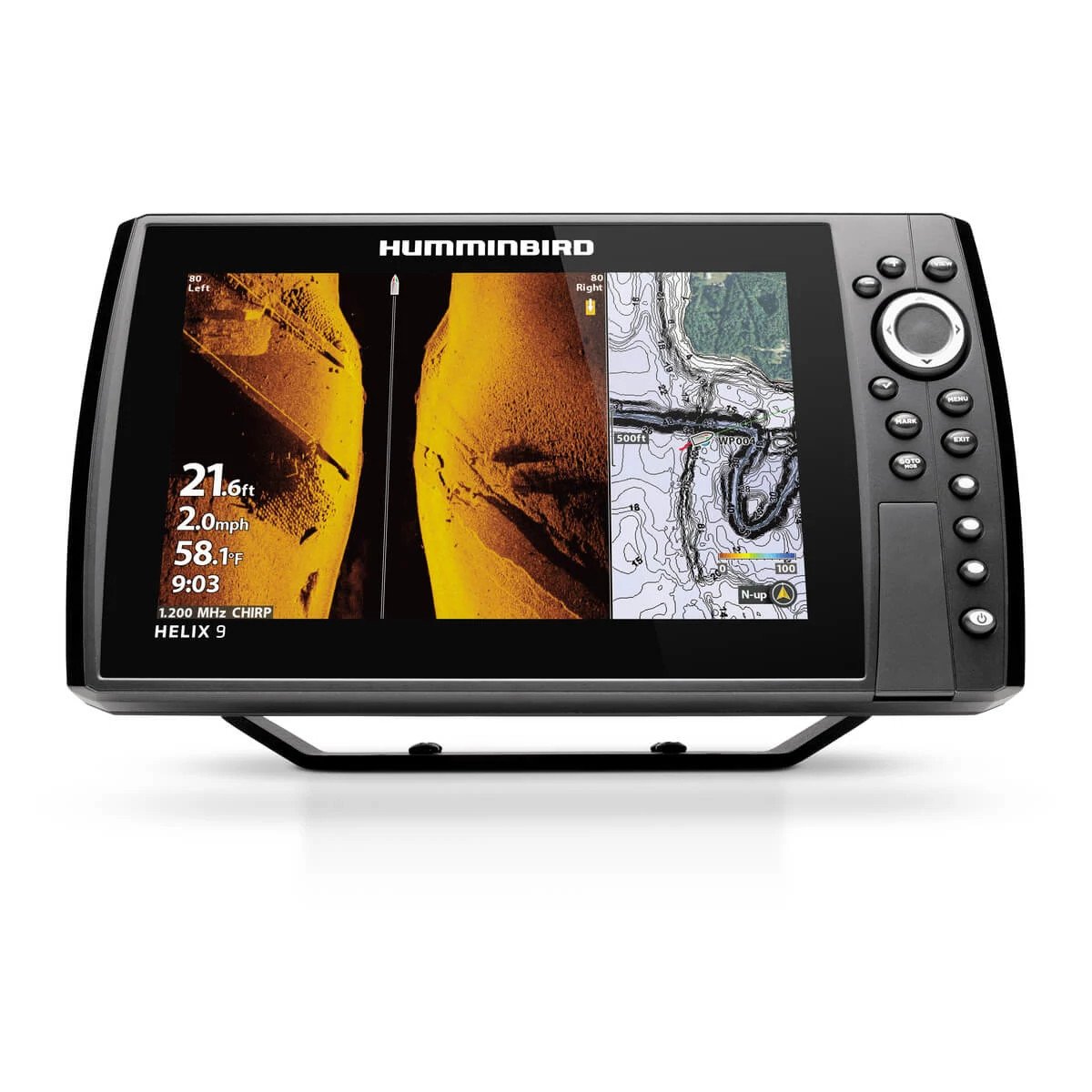
    The XPLORE 9 leads with MEGA Side Imaging+ and MEGA Down Imaging+ — Humminbird’s highest-frequency imaging sonar, delivering photographic-quality underwater pictures out to 60 metres (200 feet) on each side. Combined with Dual Spectrum CHIRP for traditional sonar, it covers every water column scenario.

    The ECHOMAP UHD2 93sv runs Ultra High-Definition scanning sonar (UHD) plus CHIRP sonar, and is fully Panoptix LiveScope compatible. If real-time forward-scanning live sonar is on your must-have list, only Garmin delivers it natively at this tier.

    • XPLORE 9 wins: MEGA imaging resolution, wider side range, sharper bottom detail
    • ECHOMAP UHD2 wins: LiveScope forward sonar compatibility, more transducer options

    Built-In GPS & Maps

    For UK and European buyers, mapping is closer than the US spec sheets suggest. The XPLORE 9’s premium map card equivalent for our waters comes via compatibility with C-MAP European coastal charts and detailed inland coverage, while Garmin’s ECHOMAP UHD2 93sv is pre-loaded or compatible with Garmin Navionics+ Western Europe grids and Navionics UK & Ireland charting — excellent for both coastal and freshwater work. Budget roughly £150 if you add a premium regional chart card to either unit.

    • XPLORE 9: Basemap + premium regional charting (C-MAP European coastal compatible)
    • ECHOMAP UHD2 93sv: Garmin Navionics+ Western Europe / Navionics UK & Ireland compatible

    Networking & Ecosystem

    Both units offer Wi-Fi, Bluetooth, NMEA 2000, and Ethernet. Humminbird’s One-Boat Network connects the XPLORE 9 natively to Minn Kota trolling motors and Cannon downriggers — ideal if your boat already runs Minn Kota Ulterra or Ultrex. Garmin’s ecosystem is equally strong, with Panoptix LiveScope, Force trolling motor integration, and the full Garmin marine suite via GN network.

    Price Comparison

    FeatureHumminbird XPLORE 9 CMSI+Garmin ECHOMAP UHD2 93sv
    Price£1,299.99~£1,199.99
    Display9″ 1280×720 glass-bonded9″ 800×480 multi-touch
    ImagingMEGA SI+ / MEGA DI+UHD Scanning Sonar
    Live SonarMEGA Live 2 compatiblePanoptix LiveScope compatible
    Maps IncludedBasemap + premium regional chartingNavionics+ Western Europe compatible
    NetworkingWi-Fi, BT, NMEA 2000, EthernetWi-Fi, BT, NMEA 2000, Ethernet

    Who Should Buy the Humminbird XPLORE 9 CMSI+?

    • Pike, perch, zander or coarse anglers who want the best imaging sonar available
    • Anglers running Minn Kota trolling motors (One-Boat Network is seamless)
    • Anyone who fishes inland lakes and wants premium mapping without extra cost
    • Buyers who value a higher-resolution, glass-bonded display for sunny days on the water

    Who Should Buy the Garmin ECHOMAP UHD2 93sv?

    • Anglers who want Panoptix LiveScope real-time forward sonar (a game changer for sight fishing)
    • Coastal boaters who rely on Navionics UK & Ireland navigation
    • Existing Garmin users who want ecosystem consistency across devices
    • Budget-conscious buyers who want to allocate savings toward a LiveScope transducer

    Bottom Line

    Both are exceptional fish finders — you won’t make a wrong choice here. The Humminbird XPLORE 9 CMSI+ delivers more value out of the box with superior imaging and included premium maps. The Garmin ECHOMAP UHD2 93sv edges ahead for anglers committed to the Panoptix LiveScope ecosystem. Either way, both are available now at Pro Marine Electronics with free delivery on qualifying orders — and every unit includes a full manufacturer warranty completely valid for local servicing and technical support within the UK and Europe.