Author: Admin

  • Best Marine GPS Under £500: Budget Chartplotter Guide

    Best Marine GPS Under £500: Budget Chartplotter Guide

    best marine GPS under 500 pounds budget chartplotter

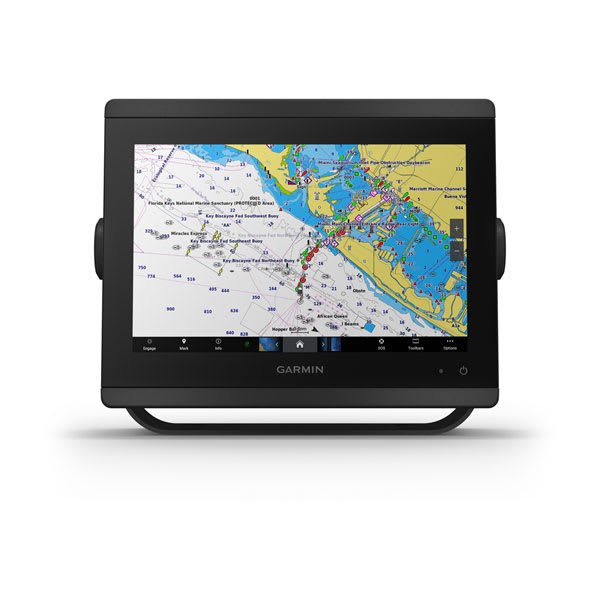
    You don’t need to spend thousands to get proper GPS mapping on the water. Every unit below sits under £500 and includes built-in GPS for waypoint marking, basic chart plotting and finding your way home — here’s how they compare.

    UnitScreenPrice
    Deeper PRO+ 2 Smart Sonar Castable WiFi Fish FinderPhone-paired£229.99
    Garmin STRIKER Plus 4 Fish Finder with GPS4.3-inch£172.99
    Garmin Striker Vivid 4cv Fish Finder4-inch colour£172.99
    Lowrance Hook Reveal 5 TripleShot Fish Finder5-inch£287.99
    Humminbird HELIX 5 CHIRP GPS G3 Fish Finder5-inch£287.99
    Garmin STRIKER Vivid 9sv with GT52HW-TM Transducer9-inch£436.99

    At the entry point, the Garmin STRIKER Plus 4 Fish Finder with GPS and Garmin Striker Vivid 4cv Fish Finder both sit around £172.99 and give you built-in GPS with CHIRP sonar in a compact display — enough to mark spots, track your route and read basic structure.

    Step up to £287.99 and the Lowrance Hook Reveal 5 TripleShot Fish Finder or Humminbird HELIX 5 CHIRP GPS G3 Fish Finder add a larger 5-inch screen, making charts noticeably easier to read at the helm.

    The standout at this budget is the Garmin STRIKER Vivid 9sv with GT52HW-TM Transducer — a genuinely large 9-inch display for £436.99, well under the £500 mark and proof that you don’t need to spend flagship money to get a big, clear screen at the helm.

    What You Give Up at This Budget

    • Advanced imaging sonar (MEGA Side/Down Imaging, live sonar) is generally reserved for higher-end units.
    • Preloaded detailed charts may be limited — check whether UK coastal charts are included or need a separate card.
    • Networking to add radar, autopilot or a second display is usually more limited on entry-level units.

    Frequently Asked Questions

    Is a budget GPS unit good enough for coastal sailing?
    For basic navigation and waypoint marking, yes — but check chart coverage carefully, and consider a fixed VHF radio and a backup handheld GPS for genuine offshore trips.

    Can I upgrade sonar later on a budget unit?
    Some support swapping to a higher-spec transducer later, but the display’s processing power ultimately limits how advanced the imaging can get — check compatibility before buying if you plan to upgrade.

    What’s the best value pick under £500?
    The Garmin STRIKER Vivid 9sv with GT52HW-TM Transducer stands out for giving a large 9-inch screen at a genuinely budget price point.

    Want help picking the right budget GPS for your boat? Our team can talk through your options — browse the full range in our online shop.
  • Standard Horizon vs Uniden: Best VHF Radio Compared

    Standard Horizon vs Uniden: Best VHF Radio Compared

    Standard Horizon vs Uniden best VHF radio compared

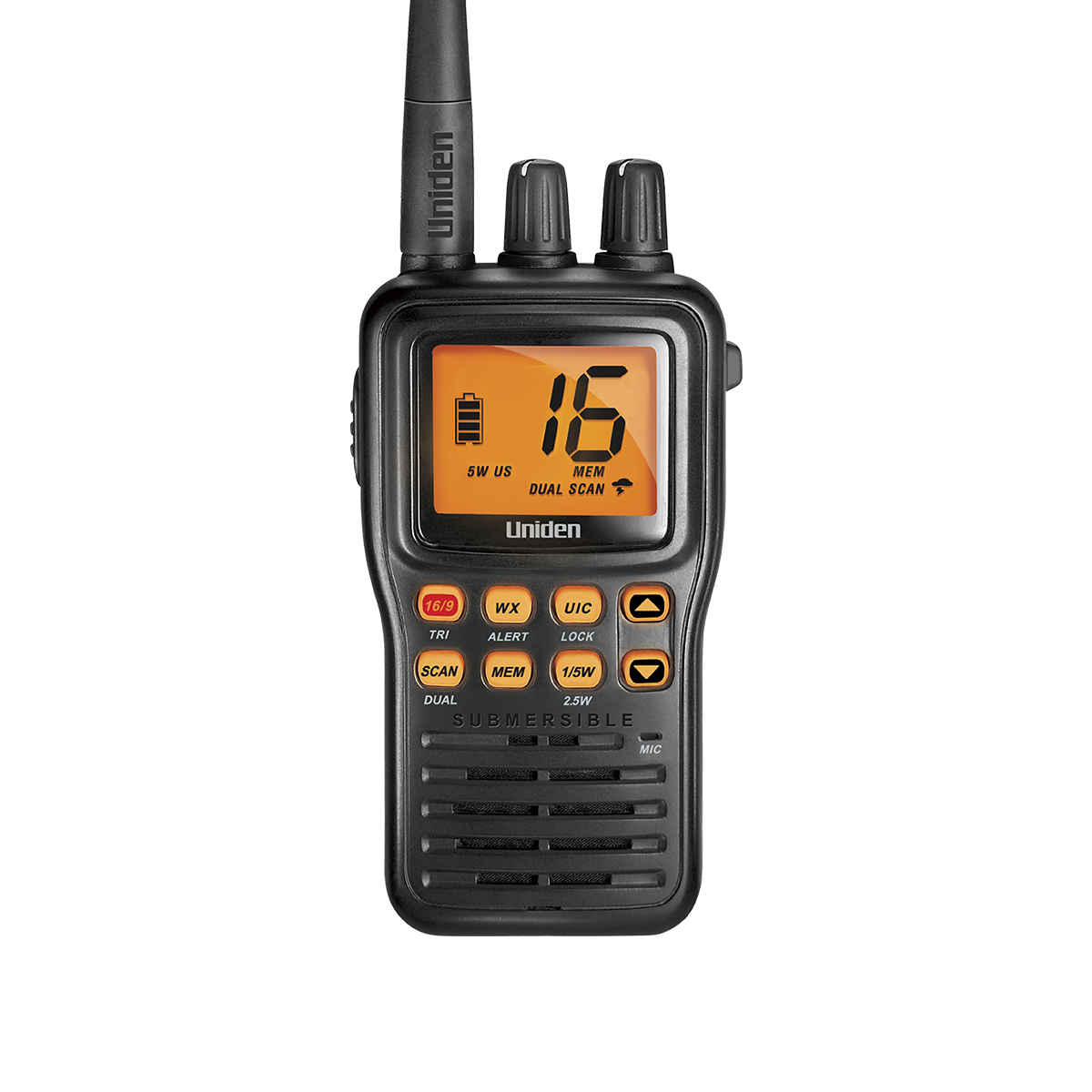
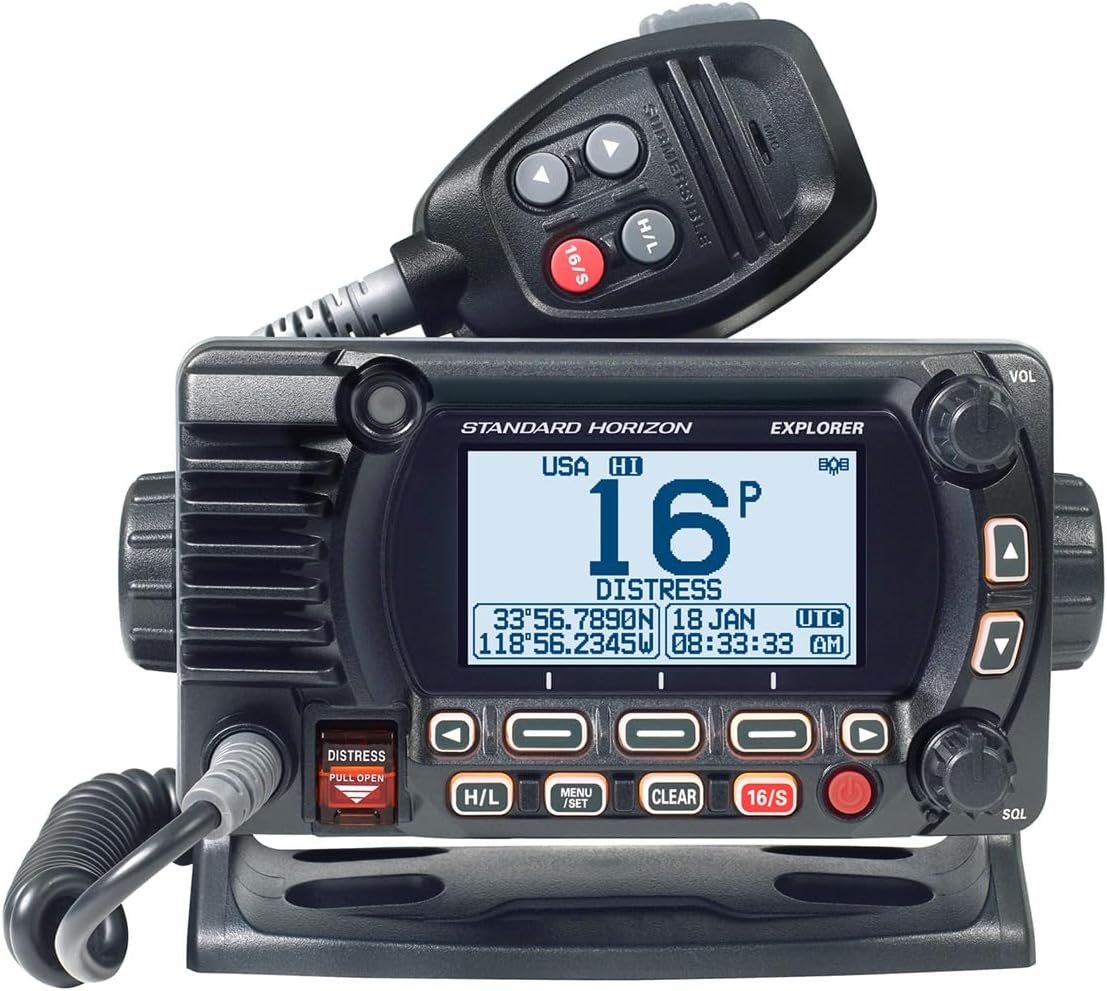
    Standard Horizon and Uniden both build reliable, well-regarded marine VHF radios, but they sit at different points in the market — Uniden’s MHS75 is a budget handheld, while Standard Horizon’s GX range covers both fixed and handheld with more advanced features.

    Uniden MHS75 Handheld Submersible VHF Marine RadioStandard Horizon GX1850 Fixed Mount VHF Radio
    Price£68.99£229.99
    TypeHandheldFixed mount
    Power outputHandheld-class (lower power)25W fixed-class

    The Uniden MHS75 Handheld Submersible VHF Marine Radio is a genuinely capable budget handheld — submersible, straightforward to operate, and a sensible backup radio or primary unit for a small tender at £68.99.

    Standard Horizon’s range steps up from there — the Standard Horizon GX1850 Fixed Mount VHF Radio (£229.99) is a full-power fixed mount radio with significantly longer range, and the Standard Horizon GX2400 Matrix AIS Fixed Mount VHF Radio (£344.99) adds a built-in AIS receiver for tracking nearby vessel traffic.

    Which Should You Choose?

    • Choose Uniden for an affordable backup handheld or a simple primary radio for a small boat or tender.
    • Choose Standard Horizon for a fixed-mount primary radio with longer range, or if you want AIS traffic display built in.

    Frequently Asked Questions

    Is a handheld enough as my only VHF radio?
    For small boats and tenders, yes. For anything with a helm and mast, a fixed mount radio gives significantly better range and should be the primary unit.

    Does the Uniden MHS75 float?
    Check the specific model’s buoyancy rating on the product listing — not all budget handhelds float, unlike dedicated floating models such as the Cobra MR HH600.

    Is AIS worth the extra cost on a Standard Horizon unit?
    If you cruise near commercial shipping or in reduced visibility, yes — it adds genuine situational awareness beyond voice communication.

    Still deciding between a handheld and fixed VHF setup? Our team can advise — browse the full range in our online shop.
  • Best VHF Radio UK 2026: Fixed vs Handheld Guide

    Best VHF Radio UK 2026: Fixed vs Handheld Guide

    best VHF radio UK 2026 fixed vs handheld

    A VHF radio is essential safety kit for anything beyond very sheltered inland waters — it’s how you raise the coastguard, get weather and traffic updates, and communicate with other vessels when a mobile phone has no signal. Here’s how to choose between fixed and handheld, and which units we’d recommend.

    VHF Radio Comparison

    RadioTypePrice
    Uniden MHS75 Handheld Submersible VHF Marine RadioHandheld£68.99
    Cobra MR HH600 FLT BT Floating Handheld VHF RadioHandheld, floating, Bluetooth£149.99
    Standard Horizon GX1850 Fixed Mount VHF RadioFixed mount£229.99
    Standard Horizon GX2400 Matrix AIS Fixed Mount VHF RadioFixed mount, AIS£344.99

    Best Budget Handheld: Uniden MHS75 Handheld Submersible VHF Marine Radio

    At £68.99, the Uniden MHS75 Handheld Submersible VHF Marine Radio is a submersible handheld covering all the basics — a sensible backup for any boat, or a primary radio for small tenders and RIBs.

    Best Handheld Upgrade: Cobra MR HH600 FLT BT Floating Handheld VHF Radio

    The Cobra MR HH600 FLT BT Floating Handheld VHF Radio (£149.99) floats if dropped overboard and adds Bluetooth connectivity for wireless calling and music through the radio — a genuinely useful upgrade over a basic handheld for the same rough price bracket as some fixed units.

    Best Fixed Mount: Standard Horizon GX1850 Fixed Mount VHF Radio and Standard Horizon GX2400 Matrix AIS Fixed Mount VHF Radio

    Fixed mount radios transmit at higher power and connect to a proper external antenna, giving significantly longer range than a handheld. The Standard Horizon GX1850 Fixed Mount VHF Radio (£229.99) covers the essentials, while the Standard Horizon GX2400 Matrix AIS Fixed Mount VHF Radio (£344.99) adds a built-in AIS receiver — see other vessels’ positions directly on the radio’s display, genuinely useful in busy UK shipping lanes.

    Fixed vs Handheld: Which Do You Need?

    • Fixed mount: higher power output (typically 25W vs 5-6W handheld), longer range, connects to a proper masthead antenna — the primary radio for any boat with a helm.
    • Handheld: essential backup if the fixed unit fails or you lose power, and the primary option for kayaks, tenders and small craft with no fixed installation.
    • AIS receiver: worth having on busier waters or if you cruise near shipping lanes — shows nearby vessel positions directly on the radio.
    • Most boats benefit from both — a fixed radio at the helm plus a handheld as backup or for the tender.

    Frequently Asked Questions

    Do I need a licence for a marine VHF radio in the UK?
    Yes — you need a Ship Radio Licence for the vessel and a Short Range Certificate (SRC) to operate the radio.

    What’s the range of a handheld VHF?
    Typically a few miles depending on terrain and antenna height, versus 20+ miles for a fixed mount unit with a properly installed antenna.

    Is AIS worth paying extra for?
    If you regularly cruise near commercial shipping lanes or in poor visibility, yes — it’s a genuine collision-avoidance aid.

    Not sure which VHF setup suits your boat? Our team can advise on fixed vs handheld and antenna requirements — browse the full range in our online shop.
  • Best PLB & Personal Locator Beacon for UK Offshore Sailing

    Best PLB & Personal Locator Beacon for UK Offshore Sailing

    best PLB personal locator beacon for UK offshore sailing

    If you’re heading offshore around the UK or across to Europe, a personal locator beacon isn’t optional extra kit — it’s the single piece of gear that gets rescuers to your exact position if things go wrong. Here’s what we’d recommend and how the options differ.

    PLB Comparison

    DeviceTypePrice
    ACR ResQLink 400 Personal Locator Beacon PLBPLB, 406MHz distress£344.99
    ACR ResQLink View PLB-400 GPS Personal Locator BeaconPLB with digital display£402.99
    Garmin inReach Mini 2 Satellite CommunicatorSatellite communicator£459.99

    ACR ResQLink 400 Personal Locator Beacon PLB

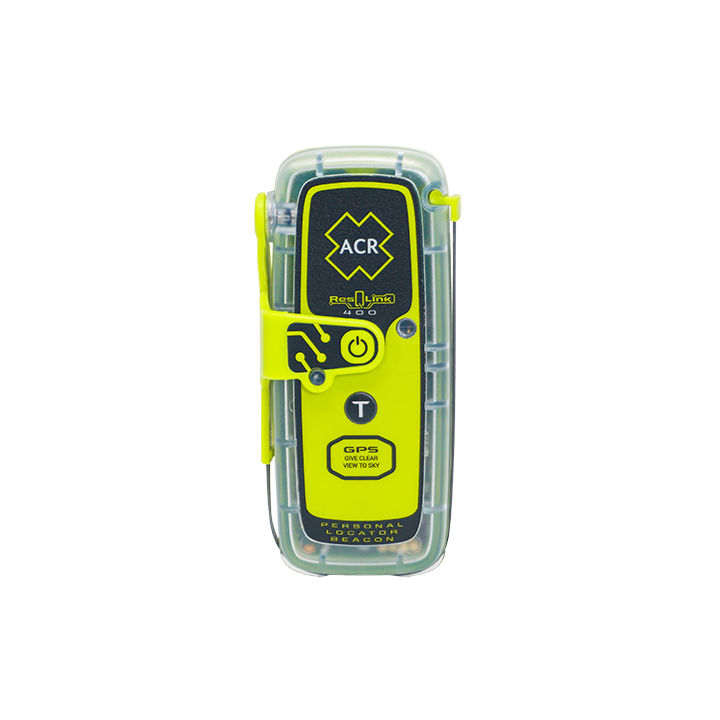
    The ACR ResQLink 400 Personal Locator Beacon PLB transmits on the 406MHz distress frequency straight to the international COSPAS-SARSAT satellite system, which alerts national rescue coordination centres — no subscription required, and it’s covered by ACR’s warranty including the battery. It’s a genuinely essential piece of kit for offshore sailors, anglers and kayakers venturing beyond sight of land.

    ACR ResQLink View PLB-400 GPS Personal Locator Beacon

    The ACR ResQLink View PLB-400 GPS Personal Locator Beacon adds a digital display that confirms GPS position lock and beacon activation status — useful reassurance in a genuine emergency that the device is working and transmitting correctly.

    Garmin inReach Mini 2 Satellite Communicator: Two-Way Communication

    Unlike a PLB, the Garmin inReach Mini 2 Satellite Communicator requires a satellite subscription plan but offers two-way text messaging and SOS response coordination beyond a simple distress signal — useful if you want to message home or check weather updates from offshore, not just call for rescue.

    PLB vs Satellite Communicator: Which Do You Need?

    • PLB (ACR ResQLink): one-way emergency distress only, no subscription, long shelf life — the minimum safety kit for offshore trips.
    • Satellite communicator (Garmin inReach): two-way messaging, tracking and SOS, but requires an ongoing subscription plan.
    • Many offshore sailors carry both — a PLB as the ultimate no-subscription backup, and an inReach for day-to-day communication and tracking.

    Frequently Asked Questions

    Do I need to register my PLB?
    Yes — in the UK, PLBs must be registered with the relevant authority (via Ofcom/the UK PLB register) so your details are linked to the beacon’s unique ID.

    How long does a PLB battery last?
    ACR ResQLink beacons are rated for several years of standby life and a minimum of 24 hours of continuous transmission once activated — check the specific model’s battery expiry date.

    What else should I carry for offshore safety?
    A PLB pairs well with a West Marine Offshore First Aid Kit (£91.99) and a VHF radio — see our VHF radio guide for options.

    Planning an offshore trip and want advice on the right safety kit? Our team can help — browse the full range in our online shop.
  • Power-Pole vs Minn Kota Raptor: Shallow Water Anchor Comparison

    Power-Pole vs Minn Kota Raptor: Shallow Water Anchor Comparison

    Power-Pole vs Minn Kota Raptor shallow water anchor comparison

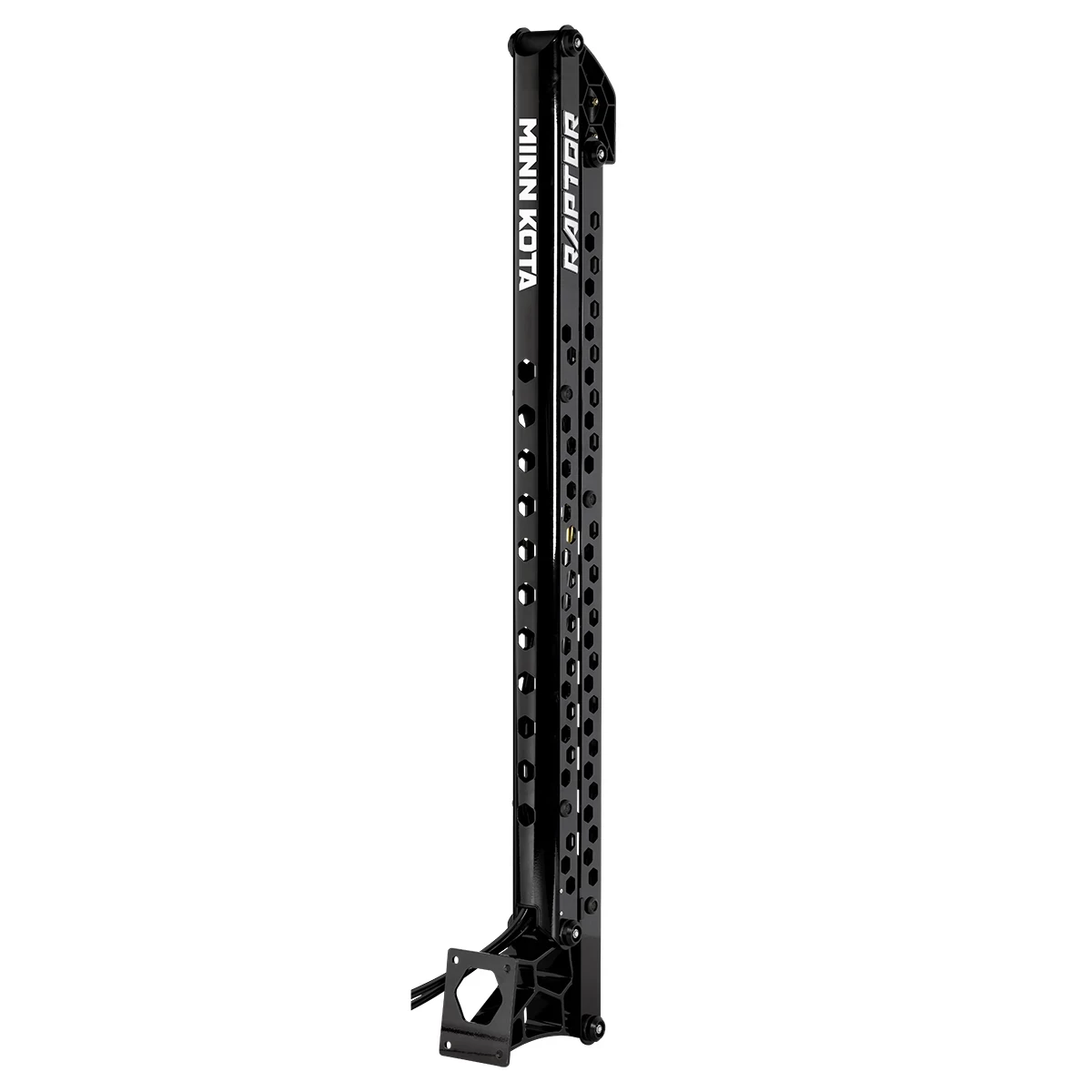
    Power-Pole and Minn Kota’s Raptor are the two biggest names in shallow water anchoring, and both use the same basic idea — a spike that deploys into the bottom in seconds. The differences come down to deployment speed, mounting and control options.

    Power-Pole Blade Series Shallow Water Anchor – 8ftMinn Kota Raptor 8ft Bluetooth Shallow Water Anchor
    Price£747.99£919.99
    Length8ft8ft
    ControlC-Monster app, BluetoothRaptor app, Bluetooth, i-Pilot integration

    The Power-Pole Blade Series Shallow Water Anchor – 8ft is Power-Pole’s long-established Blade Series — proven, widely used across the US and increasingly on UK boats, with smartphone control via the C-Monster app. It’s also available in a compact Power-Pole Micro Anchor – 6ft Spike, Bluetooth version for smaller boats.

    The Minn Kota Raptor 8ft Bluetooth Shallow Water Anchor is Minn Kota’s competing system, with the advantage of integrating directly with Minn Kota’s i-Pilot trolling motor ecosystem if you already run a Terrova or Ultrex — deploy the anchor and control the trolling motor from the same remote and app.

    Which Should You Choose?

    • Choose Power-Pole if you want the most established, widely-supported shallow water anchor with strong aftermarket accessory support.
    • Choose Raptor if you already run a Minn Kota trolling motor and want unified control across your electronics.
    • Tight budget or smaller boat: the Power-Pole Micro Anchor – 6ft Spike, Bluetooth gives Power-Pole’s system in a smaller, lighter package.

    Frequently Asked Questions

    Do both work in the same water depths?
    Yes, both are built for similar shallow-water use, generally up to around 8-10 feet depending on the model and shaft length you choose.

    Can I control either with a smartphone?
    Yes, both Power-Pole and Raptor support Bluetooth app control alongside physical remotes.

    Does either integrate with my trolling motor?
    Raptor integrates natively with Minn Kota’s i-Pilot ecosystem. Power-Pole works independently but pairs well with any brand of trolling motor.

    Deciding between Power-Pole and Raptor? Our team can talk through your boat and existing electronics — browse both ranges in our online shop.

  • Best Anchor for UK & European Waters: Fortress vs Lewmar vs Power-Pole

    Best Anchor for UK & European Waters: Fortress vs Lewmar vs Power-Pole

    best anchor for UK European waters Fortress vs Lewmar vs Power-Pole

    Anchoring gear splits into two very different categories: traditional cast anchors that dig into the seabed, and shallow-water power poles that spike into the bottom at the push of a button. Which you need depends on your boat and the waters you fish. Here’s how the options we stock compare.

    Traditional Anchors: Fortress vs Lewmar

    AnchorWeightPrice
    Fortress FX-7 Aluminum Anchor – 4 lb4 lb£114.99
    Fortress FX-11 Aluminum Anchor – 7 lb7 lb£160.99
    Lewmar Delta Fixed Anchor – 22 lb Galvanized Steel22 lb£218.99

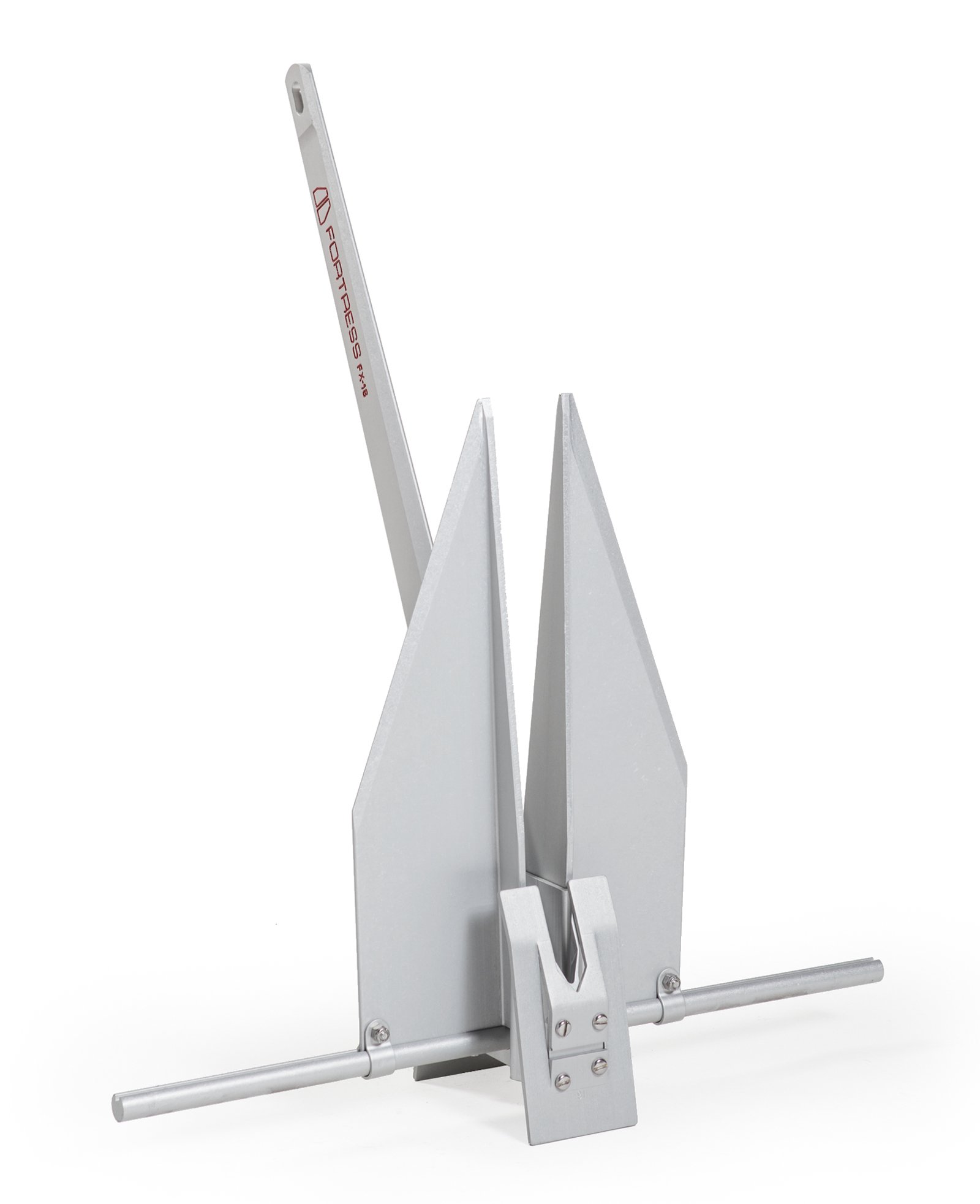
    The Fortress FX-7 Aluminum Anchor – 4 lb and Fortress FX-11 Aluminum Anchor – 7 lb are lightweight aluminium anchors — easy to handle on smaller boats and kayaks, and Fortress anchors are backed by a lifetime warranty against manufacturing defects. The Lewmar Delta Fixed Anchor – 22 lb Galvanized Steel is a heavier galvanized steel option built for larger boats needing more holding power in mixed seabeds.

    Shallow Water Anchors: Power-Pole vs Minn Kota Raptor

    AnchorLengthPrice
    Power-Pole Micro Anchor – 6ft Spike, Bluetooth6ft£804.99
    Power-Pole Blade Series Shallow Water Anchor – 8ft8ft£747.99
    Minn Kota Raptor 8ft Bluetooth Shallow Water Anchor8ft£919.99
    Power-Pole Blade Series Shallow Water Anchor – 10ft10ft£804.99

    Shallow water anchors like Power-Pole’s Blade Series and the Minn Kota Raptor 8ft Bluetooth Shallow Water Anchor spike into the bottom at the push of a button — silent, instant, and ideal for skinny water where dropping a traditional anchor would spook fish or damage the seabed. The Power-Pole Micro Anchor – 6ft Spike, Bluetooth is Power-Pole’s compact option for smaller boats and kayaks, with Bluetooth control built in.

    Which Anchor Type Do You Need?

    • Traditional anchor: best for deeper water, overnight anchoring, or holding position in current and wind.
    • Shallow water anchor: best for skinny water fishing, flats, and quick, silent positioning in depths generally under 10-15 feet.
    • Weight and length: match anchor weight to boat size for traditional anchors, and shaft length to your typical fishing depth for shallow water anchors.
    • Bluetooth control: several shallow water anchors support smartphone or remote control — useful for one-handed deployment while fighting a fish.

    Frequently Asked Questions

    Can I use a shallow water anchor in deep water?
    No — they’re designed for shallow depths, typically up to around 10-15 feet depending on the model. For deeper anchoring you’ll need a traditional anchor and rode.

    Is aluminium or steel better for a traditional anchor?
    Aluminium (like Fortress) is lighter and easier to handle, with excellent holding power for its weight; steel (like Lewmar Delta) is heavier and more robust for bigger boats.

    Do I need both anchor types?
    Many UK anglers carry a shallow water anchor for quick fishing stops plus a traditional anchor for deeper water or overnight use.

    Not sure which anchor suits your boat and waters? Our team can help you choose — browse the full range in our online shop.
  • Best Kayak Fish Finder UK: Top Picks for Kayak Anglers

    Best Kayak Fish Finder UK: Top Picks for Kayak Anglers

    best kayak fish finder UK for kayak anglers

    Kayak fishing puts different demands on a fish finder than a boat does — space, weight and power draw are all tighter, and a lot of kayak anglers don’t want to run wiring at all. Here’s our pick of the best options for kayak anglers in the UK.

    Best Overall for Kayaks: Deeper PRO+ 2 Smart Sonar Castable WiFi Fish Finder

    The Deeper PRO+ 2 Smart Sonar Castable WiFi Fish Finder (£229.99) needs no wiring, no mounting bracket and no battery beyond its own — cast it out on your line, and it streams sonar straight to your phone over WiFi. For kayak anglers who don’t want to drill a hull or run cables, it’s the simplest option available.

    Best Wired Options: Garmin STRIKER Plus 4 Fish Finder with GPS and Humminbird HELIX 5 CHIRP GPS G3 Fish Finder

    If you’d rather have a fixed screen mounted to your kayak, the Garmin STRIKER Plus 4 Fish Finder with GPS (£172.99) is compact, low-power and includes GPS for marking spots — ideal for a small 12V battery setup. The Humminbird HELIX 5 CHIRP GPS G3 Fish Finder (£287.99) steps up to a larger display with CHIRP sonar for sharper target separation, still small enough for most kayak consoles.

    Best Compact Colour Display: Garmin Striker Vivid 4cv Fish Finder

    The Garmin Striker Vivid 4cv Fish Finder (£172.99) packs a bright colour display into a small footprint — easier to read in direct sunlight on the water than many budget units, without the bulk of a larger unit.

    What to Look for in a Kayak Fish Finder

    • Power draw: kayak batteries are small — check the unit’s current draw against your battery’s capacity.
    • Mounting: look for track-mount or RAM-compatible units if you want to switch between kayaks or remove the unit for storage.
    • No-wiring options: castable sonar like the Deeper PRO+ avoids drilling or running cable through the hull entirely.
    • Screen size vs weight: bigger screens are easier to read but add weight and draw more power — balance against your kayak’s setup.

    Frequently Asked Questions

    Do I need to drill my kayak to fit a fish finder?
    Only for a fixed transducer. Castable units like the Deeper PRO+ need no drilling at all, and many kayak anglers use suction or clamp transducer mounts to avoid it too.

    What battery do I need for a kayak fish finder?
    A small sealed lead-acid or lithium battery in the 5–12Ah range is typically enough for a compact fish finder for a full day on the water.

    Is GPS worth having on a kayak fish finder?
    Yes — marking productive spots and finding your way back in poor visibility is genuinely useful, even on small inland waters.

    Need help fitting a fish finder to your kayak setup? Our team can advise on mounts and power — browse the full range in our online shop.
  • Minn Kota Terrova vs Ultrex: Which Trolling Motor Should You Buy?

    Minn Kota Terrova vs Ultrex: Which Trolling Motor Should You Buy?

    Minn Kota Terrova vs Ultrex trolling motor comparison

    Minn Kota’s Terrova and Ultrex lines are both bow mount trolling motors with i-Pilot GPS control, and both are genuinely excellent — the real difference is in mounting style, weight and how they steer.

    Minn Kota Terrova 80 i-Pilot GPS Trolling Motor – 60-Inch ShaftMinn Kota Ultrex Quest 80 — 24V, 60-Inch Shaft, MEGA DI/SI
    Price£1782.99£2529.99
    SteeringCable steerDirect digital steer
    DeployManual foot pedal or remotePower deploy/stow
    SonarNot built-inMEGA Down/Side Imaging built-in

    The Minn Kota Terrova 80 i-Pilot GPS Trolling Motor – 60-Inch Shaft uses Minn Kota’s proven cable steering system — reliable, well-tested, and typically the lighter and more affordable of the two mounting styles at £1782.99.

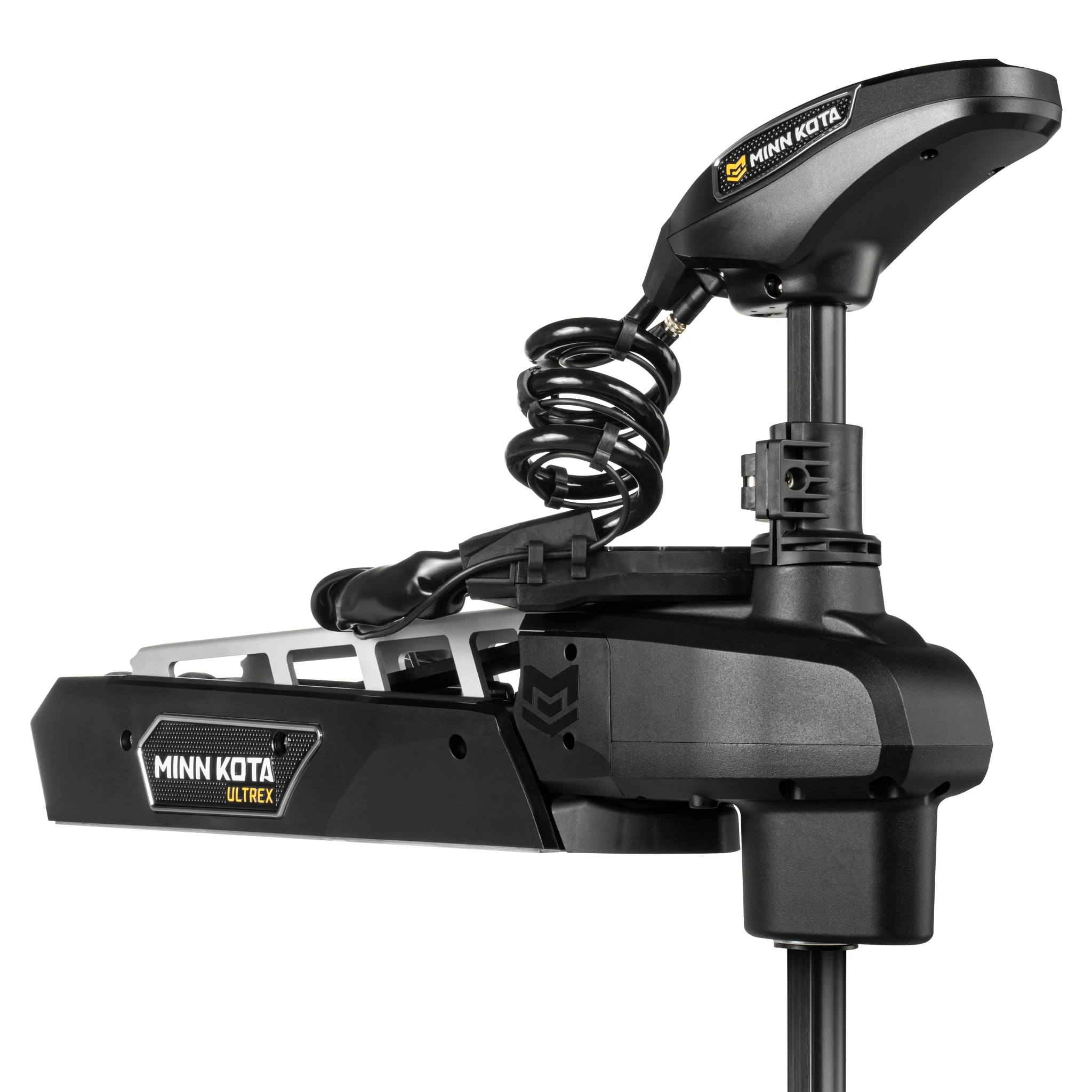
    The Minn Kota Ultrex Quest 80 — 24V, 60-Inch Shaft, MEGA DI/SI (£2529.99) upgrades to Digital Direct Steer, giving faster, more precise motor positioning, plus power deploy and stow at the touch of a button — no more leaning over the bow to manually lift the motor. It also builds MEGA Down and Side Imaging sonar directly into the motor’s lower unit, which removes the need for a separate trolling-motor-mounted transducer entirely.

    Which Should You Choose?

    • Choose Terrova if you want proven reliability at a lower price and don’t need built-in sonar or power stow.
    • Choose Ultrex if you want faster, more precise steering, power deploy/stow convenience, and built-in imaging sonar — the Minn Kota Ultrex 52 80lb Quest Trolling Motor with Spot-Lock (£2644.99) is the top of the Ultrex range for anglers who want every feature available.

    Frequently Asked Questions

    Do both have Spot-Lock?
    Yes — both Terrova and Ultrex support Minn Kota’s i-Pilot GPS Spot-Lock anchoring system.

    Is Ultrex worth the extra cost over Terrova?
    If built-in sonar and power deploy/stow matter to you, yes. If you’re happy with cable steering and a manual foot pedal, Terrova delivers the same GPS control for less.

    Can I add sonar to a Terrova later?
    Yes, by mounting a separate transducer — the Ultrex’s advantage is having it built in from the start.

    Still deciding between Terrova and Ultrex? Our team can talk through your boat and budget — browse both ranges in our online shop.

  • Best Trolling Motor UK 2026: Bow Mount Buying Guide

    Best Trolling Motor UK 2026: Bow Mount Buying Guide

    best trolling motor UK 2026 bow mount buying guide

    A bow mount trolling motor is the single biggest upgrade most anglers can make to boat control — precise positioning, quiet operation and, on the higher-end models, GPS spot-lock and autopilot-style features that used to only exist on big-budget bass boats. Here’s how to choose the right one for UK waters and what we’d recommend at each budget.

    Trolling Motor Comparison

    MotorThrustPrice
    Watersnake T24 ASP 24lb Kayak Electric Trolling Motor24lb£172.99
    Minn Kota Endura Max 55 Freshwater Transom Motor55lb transom£402.99
    Minn Kota Terrova 55 i-Pilot Wireless Spot-Lock Trolling Motor55lb, i-Pilot£1264.99
    MotorGuide Xi5 80lb 24V Wireless GPS Trolling Motor80lb, wireless GPS£1724.99
    Minn Kota Terrova 80 i-Pilot GPS Trolling Motor – 60-Inch Shaft80lb, 72in shaft£1782.99
    Minn Kota Ultrex Quest 80 — 24V, 60-Inch Shaft, MEGA DI/SI80lb, MEGA DI/SI£2529.99
    Minn Kota Ultrex 52 80lb Quest Trolling Motor with Spot-Lock80lb Quest, Spot-Lock£2644.99

    Best Budget Bow Mount: Watersnake T24 ASP 24lb Kayak Electric Trolling Motor

    At £172.99, the Watersnake T24 ASP 24lb Kayak Electric Trolling Motor is built specifically for kayaks — light, simple, and enough thrust to hold position or cruise slowly without needing a large 12V setup.

    Best Transom Motor: Minn Kota Endura Max 55 Freshwater Transom Motor

    Not every boat suits a bow mount. The Minn Kota Endura Max 55 Freshwater Transom Motor clamps to the transom for £402.99 and gives 55lb of thrust — a straightforward, reliable option for smaller boats and tenders.

    Best Mid-Range Bow Mount: Minn Kota Terrova 55 i-Pilot Wireless Spot-Lock Trolling Motor

    The Minn Kota Terrova 55 i-Pilot Wireless Spot-Lock Trolling Motor introduces i-Pilot wireless control and Spot-Lock GPS anchoring for £1264.99 — hold a precise position hands-free while you fish, without deploying a physical anchor.

    Best 80lb Options: Minn Kota Terrova 80 i-Pilot GPS Trolling Motor – 60-Inch Shaft, MotorGuide Xi5 80lb 24V Wireless GPS Trolling Motor and Minn Kota Ultrex Quest 80 — 24V, 60-Inch Shaft, MEGA DI/SI

    Stepping up to 80lb thrust gives you enough power for bigger boats and rougher conditions. The MotorGuide Xi5 80lb 24V Wireless GPS Trolling Motor (£1724.99) brings MotorGuide’s wireless GPS Pinpoint system; the Minn Kota Terrova 80 i-Pilot GPS Trolling Motor – 60-Inch Shaft (£1782.99) offers Minn Kota’s longer 72-inch shaft for taller bows; and the Minn Kota Ultrex Quest 80 — 24V, 60-Inch Shaft, MEGA DI/SI (£2529.99) adds built-in MEGA Down/Side Imaging sonar directly into the motor head — no separate transducer mount needed.

    Best Premium: Minn Kota Ultrex 52 80lb Quest Trolling Motor with Spot-Lock

    At the top of the range, the Minn Kota Ultrex 52 80lb Quest Trolling Motor with Spot-Lock (£2644.99) combines Spot-Lock, wireless remote and a quiet brushless motor for anglers who want the most refined system available.

    How to Choose a Trolling Motor

    • Thrust: roughly 2lb of thrust per 100lb of fully-loaded boat weight is a common starting rule, more if you regularly fish in wind or current.
    • Shaft length: measure from the mounting point to the waterline — too short and the prop can surface in chop; too long and it drags.
    • Voltage: 12V suits smaller boats and kayaks; 24V and 36V systems suit larger boats needing more sustained power.
    • GPS features: Spot-Lock and autopilot-style tracking are genuinely useful for structure fishing but add cost — decide if you need them before paying for them.

    Frequently Asked Questions

    Bow mount or transom mount?
    Bow mount gives better control and is standard on bass-style boats; transom mount is simpler and suits smaller boats or as a secondary motor.

    What battery do I need?
    Most 12V motors run comfortably on one deep cycle or lithium battery; 24V and 36V systems need two or three batteries wired in series — see our marine battery guide for options.

    Is Spot-Lock worth the extra cost?
    For anglers who fish specific structure or drift a lot, yes — it removes the need to constantly re-position. Trolling anglers covering open water may not need it.

    Not sure which thrust and shaft length suits your boat? Our team can help you spec the right trolling motor — browse the full range in our online shop.
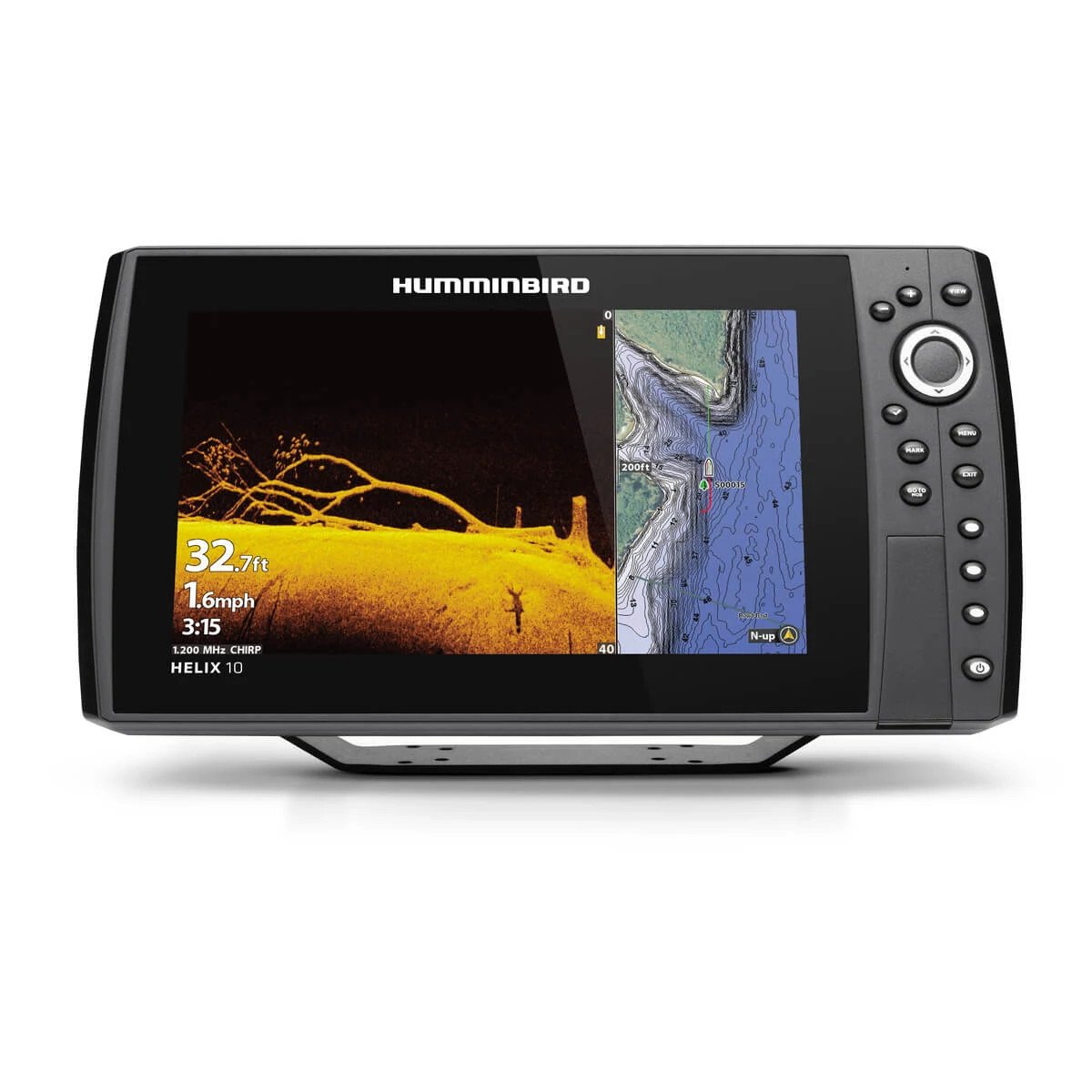
  • Humminbird SOLIX vs Garmin GPSMAP: Which Flagship Wins?

    Humminbird SOLIX vs Garmin GPSMAP: Which Flagship Wins?

    Humminbird SOLIX vs Garmin GPSMAP flagship comparison

    At the top end of the market, Humminbird’s SOLIX range and Garmin’s GPSMAP xsv series are both built for anglers and boaters who want the sharpest possible picture and don’t want to compromise on chart or sonar detail. Here’s how they compare.

    Humminbird SOLIX 12 CHIRP MEGA SI+ G3Garmin GPSMAP 8612xsv GN+ Multifunction Chartplotter
    Price£2874.99£3414.99
    Screen12.1-inch12-inch
    SonarMEGA Side/Down Imaging+ClearVü/SideVü CHIRP
    MappingHumminbird AutoChart LiveGarmin Navionics/BlueChart

    The Humminbird SOLIX 12 CHIRP MEGA SI+ G3 is built around Humminbird’s MEGA Imaging+ sonar, which produces some of the sharpest, most photo-realistic side and down images on the market — genuinely useful for reading structure and cover in detail. It also supports AutoChart Live, which builds and refines your own depth maps as you drive, layering your real-world data over factory charts.

    The Garmin GPSMAP 8612xsv GN+ Multifunction Chartplotter leans on Garmin’s broader ecosystem — Navionics and Garmin’s own BlueChart mapping, plus compatibility with Panoptix LiveScope live sonar, radar and autopilot integration if you’re building out a full helm. If you value one connected system across chartplotter, autopilot and engine data, Garmin’s network tends to be the more mature option.

    Which Should You Choose?

    • Choose Humminbird SOLIX if imaging sonar detail and self-built depth mapping (AutoChart Live) are your priority — strong for anglers focused on structure fishing.
    • Choose Garmin GPSMAP if you want the widest ecosystem for autopilot, engine data and live sonar (LiveScope) integration, or you’re already invested in Garmin handhelds and watches.
    • On a tighter budget: the Humminbird HELIX 12 CHIRP MEGA SI+ GPS G4N (£1954.99) gives you Humminbird’s MEGA imaging technology in a smaller, more affordable 12-inch package.

    Frequently Asked Questions

    Is SOLIX only for freshwater fishing?
    No — SOLIX units are used offshore too, though their imaging sonar strengths are most noticeable in structure-rich inshore and freshwater fishing.

    Does GPSMAP support live sonar?
    Yes, the GPSMAP xsv series is compatible with Garmin’s Panoptix LiveScope system for real-time forward-facing sonar.

    Which has better factory charts for UK waters?
    Both support UK chart cards (Navionics for Garmin, standard chart cards for Humminbird) — check the specific chart card included or required before you buy.

    Torn between SOLIX and GPSMAP? Our team can walk through both systems before you invest — browse the full range in our online shop.