Author: Admin

  • Complete Marine Electronics Package for a New Boat: Buyer’s Guide

    Complete Marine Electronics Package for a New Boat: Buyer’s Guide

    complete marine electronics package for a new boat buyer's guide

    Kitting out a new (or new-to-you) boat with electronics from scratch is genuinely overwhelming — there are a dozen categories to consider and it’s easy to overspend on one thing while missing something essential. Here’s a sensible order of priority and what to budget for each category.

    1. Chartplotter

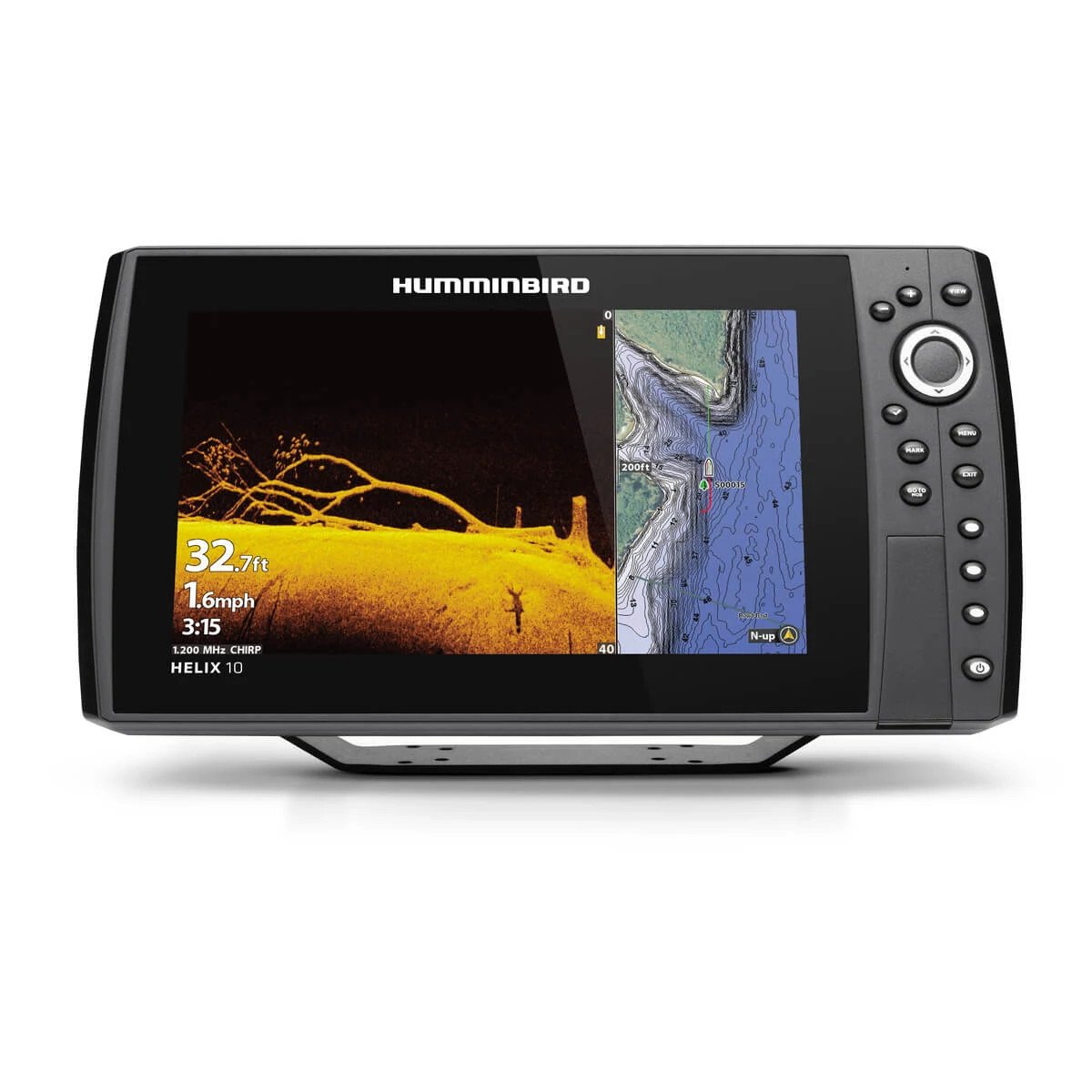
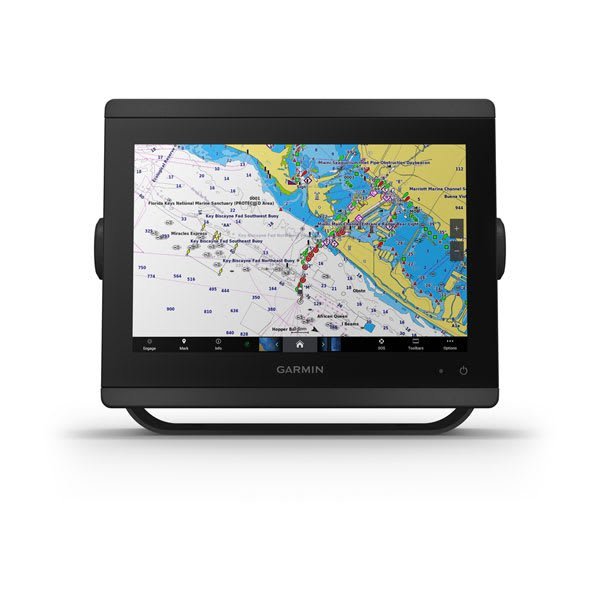
    Your primary navigation display is the foundation everything else connects to. See our full chartplotter buying guide for options across every budget, or our breakdowns of units under £500 and under £1,000.

    2. VHF Radio

    Non-negotiable safety kit for anything beyond very sheltered water. See our VHF radio guide for fixed vs handheld advice — most boats benefit from both.

    3. Battery and Charging

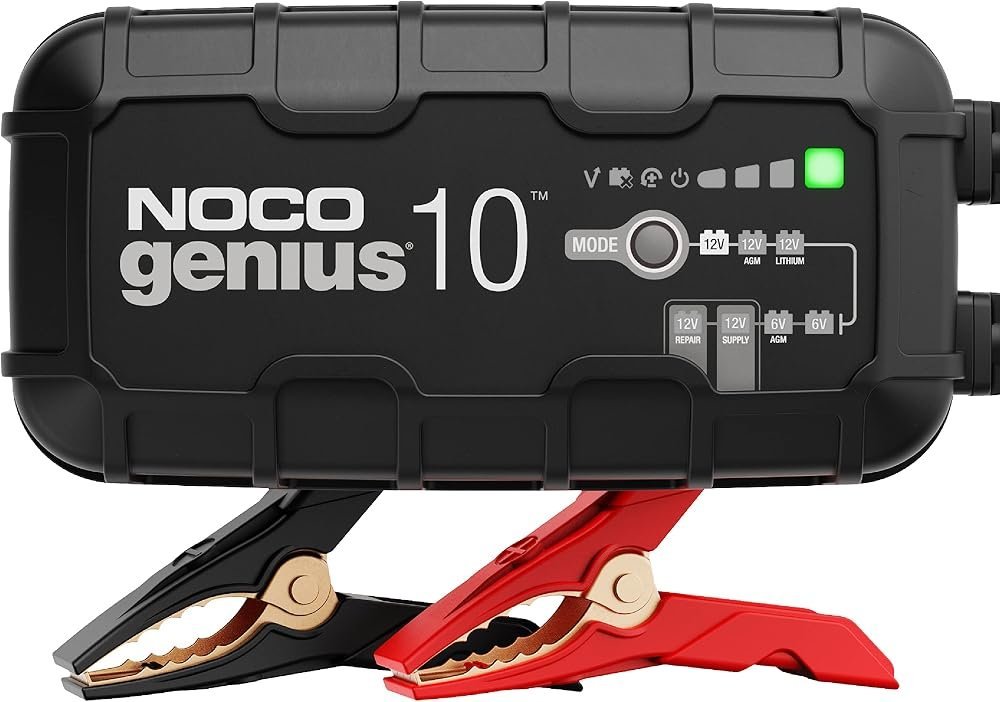
    Every other piece of electronics depends on a properly sized, properly charged battery system. Start with our marine battery guide and pair your battery with a smart charger — see our charger recommendations.

    4. Fish Finder / Sonar

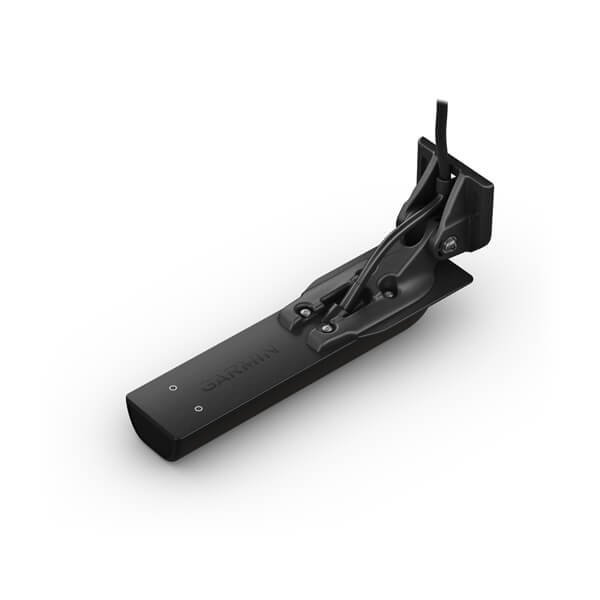
    If fishing is part of why you’re on the water, sonar is where a genuine budget decision needs to happen. Our fish finder guide covers everything from entry-level to flagship, and our live sonar comparison covers the newest forward-facing systems if budget allows.

    5. Trolling Motor (If Fishing)

    For anglers, a trolling motor is arguably as important as the chartplotter. See our trolling motor buying guide and pair it with the right battery from our trolling motor battery guide.

    6. Anchoring

    Don’t overlook anchoring gear when budgeting a new boat — see our anchor guide for traditional and shallow water options.

    7. Safety Equipment

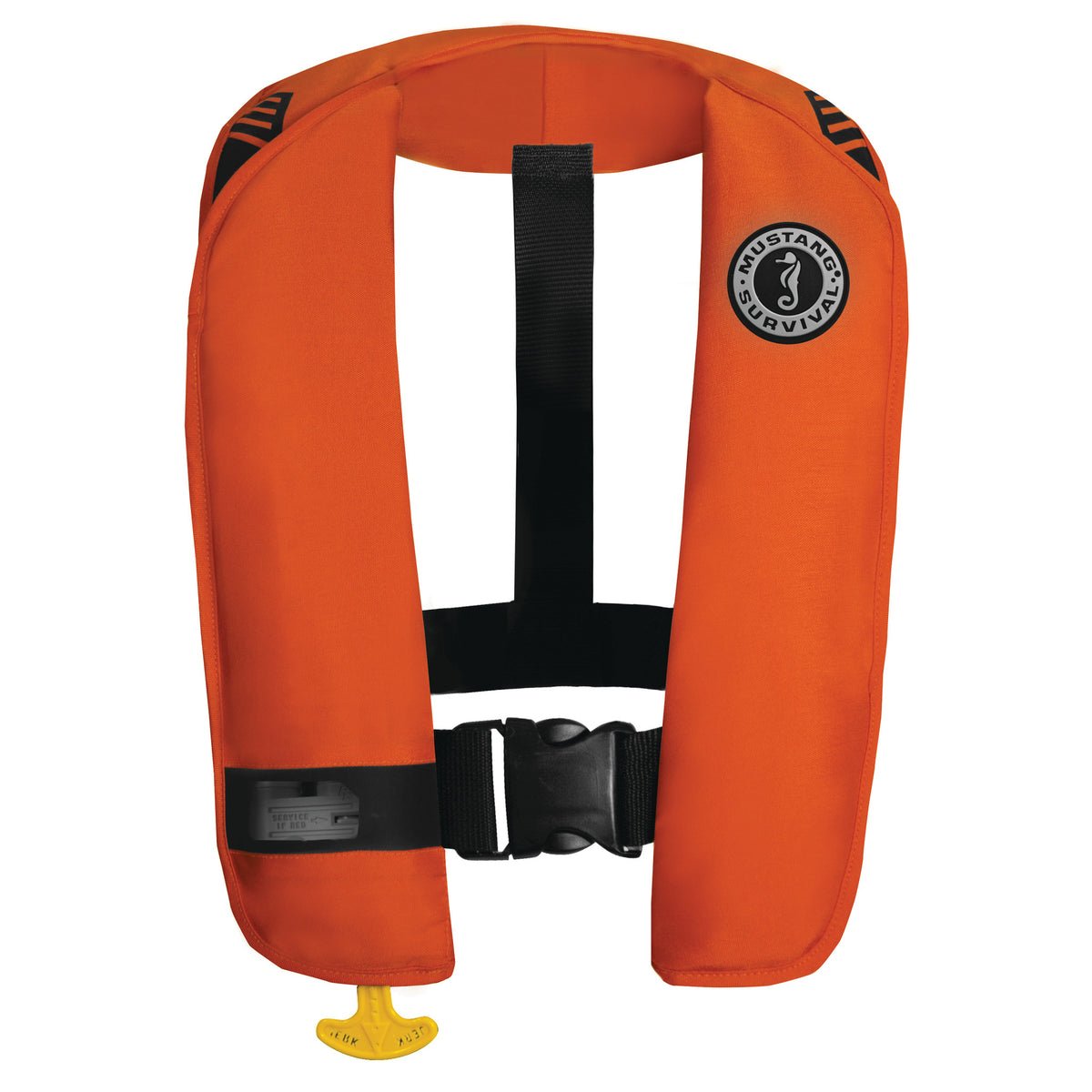
    Round out the package with a PFD for every person aboard (see our PFD guide) and, for offshore trips, a PLB (see our personal locator beacon guide).

    Suggested Budget Order

    1. Safety essentials (PFDs, VHF, PLB if going offshore) — non-negotiable regardless of remaining budget.
    2. Battery and charging system — everything else depends on it working properly.
    3. Chartplotter — your primary navigation and information hub.
    4. Fish finder / sonar, if fishing is a priority.
    5. Trolling motor, anchor and accessories — build out from here as budget allows.

    Frequently Asked Questions

    How much should I budget for a full electronics package?
    It varies enormously by boat size and ambition — a modest small-boat setup (chartplotter, VHF, battery) can be done for under £1,500, while a full tournament-ready angling setup with live sonar and a premium trolling motor can run well into five figures.

    Should I stick to one brand?
    Not essential for every category, but chartplotter, sonar and live sonar systems generally need to be the same brand to network together — see our brand comparison guides for details.

    Can I add electronics gradually rather than all at once?
    Yes, and it’s often the sensible approach — start with safety and navigation essentials, then add fishing-specific electronics as budget allows.

    Planning a full electronics fit-out for a new boat? Our UK-based team can help you plan and budget the whole package — browse the full range in our online shop or get in touch.
  • Best Baitcasting Reel 2026: Buying Guide for UK Anglers

    Best Baitcasting Reel 2026: Buying Guide for UK Anglers

    best baitcasting reel 2026 buying guide for UK anglers

    Baitcasting reels give experienced anglers more casting control and better power for heavier lures than a spinning reel — the trade-off is a steeper learning curve. Here’s what to know before buying one, and our pick for 2026.

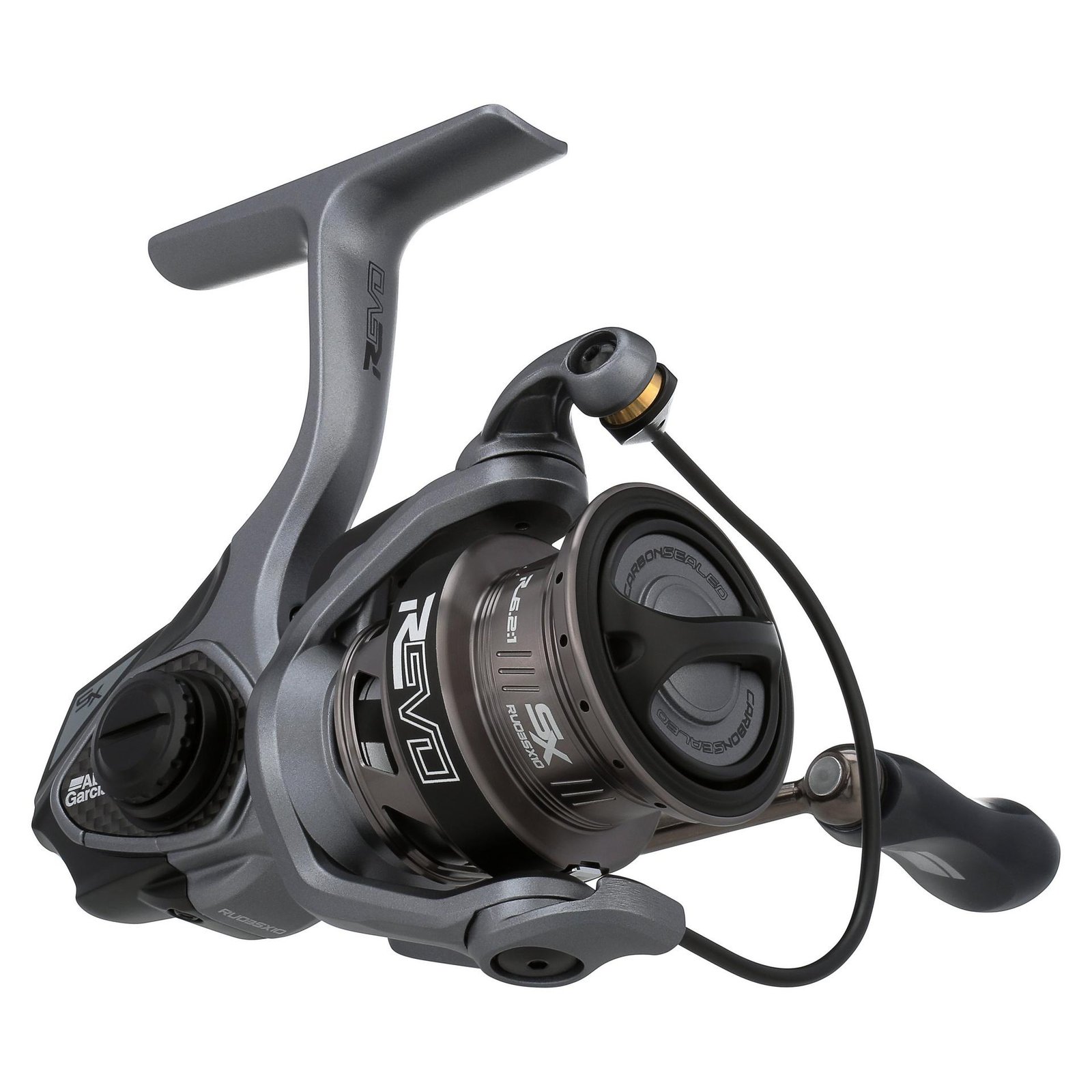
    Abu Garcia Revo SX 30 Low-Profile Baitcaster

    At £172.99, the Abu Garcia Revo SX 30 Low-Profile Baitcaster is a low-profile baitcaster built for accuracy and control — a proven design from one of the most established names in baitcasting reels, suited to anglers casting jigs, crankbaits and other lures that benefit from a baitcaster’s thumb-controlled spool.

    Baitcaster vs Spinning Reel: Which Do You Need?

    • Baitcasters give better accuracy and control for heavier lures once you’ve learned to control the spool, and generally offer stronger drag for their size.
    • Spinning reels are easier to learn, less prone to backlash (“bird’s nests”), and better suited to lighter lures and finesse presentations — see our spinning reel guide for saltwater options.
    • Most experienced lure anglers run both — baitcasters for heavier cover and power fishing, spinning for finesse and lighter lures.

    Tips for Learning to Cast a Baitcaster

    • Start with the brake system set higher than you think you need, and gradually reduce it as your thumb control improves.
    • Practise with heavier lures first — light lures are harder to control and more prone to backlash while learning.
    • Keep your thumb lightly on the spool throughout the cast, feathering the release rather than letting it free-spool entirely.

    Frequently Asked Questions

    Is a baitcaster harder to use than a spinning reel?
    Yes, initially — expect some backlash while learning, but most anglers adapt within a few sessions of focused practice.

    What line should I use on a baitcaster?
    Braided or fluorocarbon line in the 10-20lb range suits most general lure fishing applications — heavier for cover, lighter for finesse presentations.

    Can I use a baitcaster for saltwater fishing?
    Yes, provided the reel is rated for saltwater use — rinse thoroughly with fresh water after every session regardless.

    Thinking about making the switch to baitcasting? Our team can talk through setup and line choice — browse the full range in our online shop.

  • Best Spinning Reel for Saltwater Fishing UK

    Best Spinning Reel for Saltwater Fishing UK

    best spinning reel for saltwater fishing UK

    Saltwater fishing is hard on reels — sand, spray and salt spray corrode components far faster than freshwater use, so a reel built for saltwater duty is worth the extra cost over a generic model. Here’s how our two spinning reels compare.

    Penn Battle III 3000 Spinning ReelShimano Stradic FL 4000XG Spinning Reel
    Price£103.99£344.99
    Size30004000
    Best forValue all-round saltwater usePremium performance and drag

    Penn Battle III 3000 Spinning Reel

    The Penn Battle III 3000 Spinning Reel (£103.99) is built on Penn’s long-standing saltwater reputation — full metal body, sealed drag system and enough smoothness for most inshore and light offshore work at a genuinely accessible price.

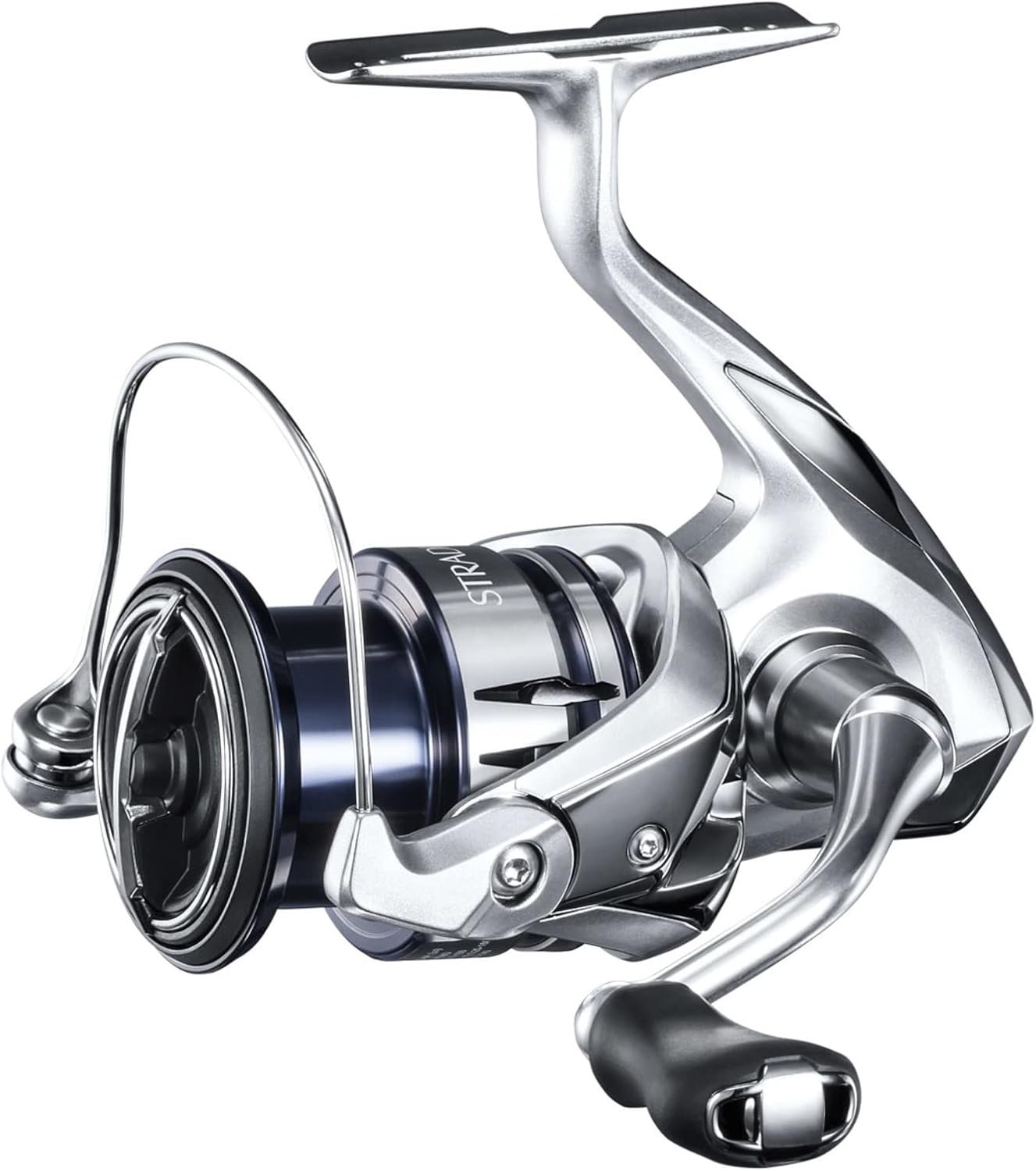
    Shimano Stradic FL 4000XG Spinning Reel

    The Shimano Stradic FL 4000XG Spinning Reel (£344.99) steps up with Shimano’s HAGANE gear technology and a higher retrieve ratio (XG), suited to faster presentations and species that demand quick retrieves. It’s a noticeably smoother, more refined reel, reflecting the price step up.

    Which Should You Choose?

    • Choose the Penn Battle III if you want dependable, well-priced saltwater performance for general inshore fishing.
    • Choose the Shimano Stradic FL if you want a faster retrieve ratio and premium drag smoothness, and are willing to pay for it.
    • Always rinse with fresh water after every saltwater session, regardless of reel — this single habit does more for reel longevity than any spec difference.

    Frequently Asked Questions

    What size reel do I need for UK saltwater fishing?
    3000-4000 size covers most inshore species from bass to pollack; go larger for bigger species or heavier line requirements.

    How do I maintain a saltwater spinning reel?
    Rinse thoroughly with fresh water after every trip, avoid direct high-pressure hose spray into the body, and service the drag and bearings annually.

    Is a sealed drag worth paying for?
    Yes, for saltwater use — sealed drags keep salt and grit out of the drag washers, maintaining smooth, consistent drag performance for longer.

    Not sure which reel suits your target species? Our team can advise — browse the full range in our online shop.

  • Best Marine Battery Charger UK: NOCO Genius Guide

    Best Marine Battery Charger UK: NOCO Genius Guide

    best marine battery charger UK NOCO Genius guide

    A good charger extends the life of your marine battery — the wrong charger, or none at all between trips, is one of the most common reasons batteries fail early. Here’s what to look for and what we’d recommend.

    NOCO Genius 10 10A Smart Battery Charger

    At £91.99, the NOCO Genius 10 10A Smart Battery Charger is a smart charger that automatically detects battery type and adjusts its charging profile accordingly — it handles AGM, standard flooded lead-acid and lithium batteries, and includes a maintenance mode that keeps a battery topped up over winter storage without overcharging it.

    Why a Smart Charger Matters

    • Prevents overcharging: a smart charger switches to maintenance/float mode once the battery is full, rather than continuing to push current in.
    • Matches the charge profile to the battery type: lithium, AGM and flooded batteries all want slightly different charging voltages and curves — a one-size charger risks under- or over-charging.
    • Extends battery lifespan: correct charging is one of the biggest factors in how many years you get out of any marine battery, lithium or AGM.
    • Winter storage: batteries left unused over winter self-discharge — a maintenance charger prevents this from degrading the battery before the next season.

    Don’t Forget Circuit Protection

    Alongside a charger, a proper circuit breaker like the Blue Sea Systems 100A Manual Reset Circuit Breaker (£57.99) protects your wiring and electronics from overcurrent faults — cheap insurance against a much more expensive repair or fire risk.

    Frequently Asked Questions

    Can I use the same charger for lithium and AGM batteries?
    A smart multi-chemistry charger like the NOCO Genius can, as it automatically adjusts its profile — check the specific model supports the battery chemistry you own before charging.

    How often should I charge my battery over winter?
    A maintenance-mode charger left connected handles this automatically; without one, check and top up every few weeks to prevent deep discharge.

    Does a lithium battery like the Dakota Lithium 54Ah 12V LiFePO4 Deep Cycle Battery need a special charger?
    Yes — lithium batteries need a charger with a lithium-specific profile. Using a standard lead-acid charger can undercharge or fail to properly balance a lithium battery over time.

    Not sure which charger matches your battery setup? Our team can help — browse the full range in our online shop.

  • Best Kayak Fishing Accessories: Mounts, Crates & Track Systems

    Best Kayak Fishing Accessories: Mounts, Crates & Track Systems

    best kayak fishing accessories mounts crates track systems

    Kayak fishing lives or dies on how well your gear is organised and mounted — a good track system and crate setup turns a bare kayak into a genuine fishing platform. Here’s our pick of the accessories that make the biggest difference.

    AccessoryPurposePrice
    YakAttack GearTrac GT175 Track SystemTrack mounting system£40.99
    RAM Mounts Garmin Striker Ball Mount Kayak KitFish finder mount£40.99
    YakAttack LockNLoad Mounting System with RAM BallQuick-release accessory mount£51.99
    RAM Mounts Low Profile Track Mount SystemLow-profile track mount£103.99
    YakAttack VISIPole II Safety LightSafety light£91.99
    YakAttack BlackPak Pro 12×16 Kayak Fishing CrateTackle crate£229.99
    Wilderness Systems AirPro Max Kayak SeatComfort seating£229.99

    Start With a Track System

    The YakAttack GearTrac GT175 Track System (£40.99) or RAM Mounts Low Profile Track Mount System (£103.99) give you a mounting rail you can slide accessories along and reposition without drilling new holes every time you change your setup — the foundation most kayak anglers build everything else on top of.

    Mount Your Fish Finder and Camera

    The RAM Mounts Garmin Striker Ball Mount Kayak Kit (£40.99) is purpose-built for Garmin STRIKER units, while the YakAttack LockNLoad Mounting System with RAM Ball (£51.99) gives a quick-release RAM ball mount for swapping between a fish finder, camera or rod holder in seconds. The YakAttack VisiCarbon Pro Visibility & Camera Mount (£103.99) doubles as both a visibility pole and camera mount.

    Stay Visible and Stay Organised

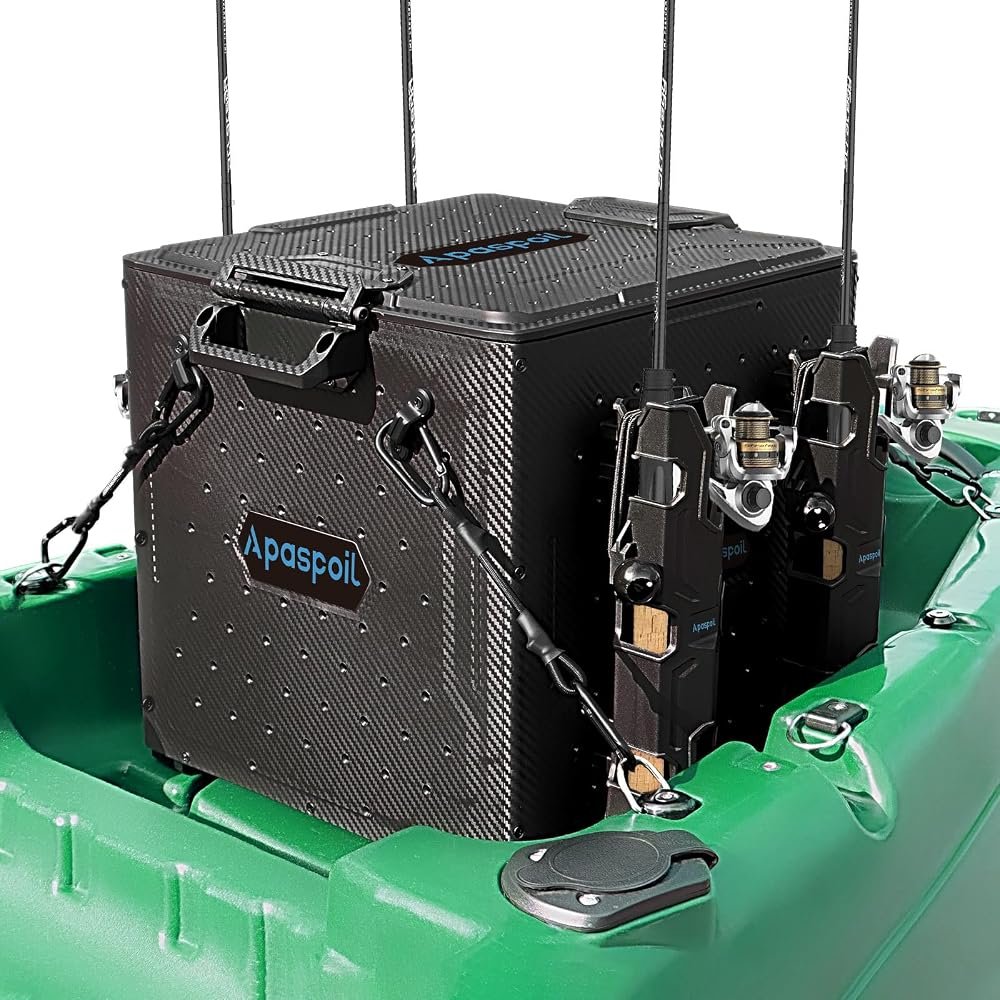
    The YakAttack VISIPole II Safety Light (£91.99) is a simple but genuinely important addition — a visible safety light for low-light conditions and busier waterways. For tackle storage, the YakAttack BlackPak Pro 12×16 Kayak Fishing Crate (£229.99) is a rigid crate purpose-built to sit behind the seat, with mounting points for rod holders and more track accessories.

    Don’t Overlook Comfort

    The Wilderness Systems AirPro Max Kayak Seat (£229.99) is easy to skip when building a rig, but a full day on the water makes the difference obvious — proper back support genuinely extends how long you can comfortably fish.

    Frequently Asked Questions

    Do I need to drill my kayak to fit a track system?
    Most track systems are designed to mount using existing hardware points or with minimal, straightforward drilling — check compatibility with your specific kayak model first.

    What should I mount first on a bare kayak?
    A track system and a fish finder mount are the highest-value starting points — everything else (crate, lights, seat) builds from there.

    Is a safety light legally required?
    Requirements vary by waterway and time of day — check local navigation rules, but a visibility light is good practice regardless for low-light conditions.

    Building out a kayak fishing rig and want advice on what to buy first? Our team can help you plan it — browse the full range in our online shop.

  • Best Inflatable Boat UK 2026: RIB & Fishing Skiff Buying Guide

    Best Inflatable Boat UK 2026: RIB & Fishing Skiff Buying Guide

    best inflatable boat UK 2026 RIB and fishing skiff buying guide

    Not every boat needs to be a permanent fixture at a marina. Inflatable boats, fishing skiffs and small aluminium jon boats give genuinely capable, easy-to-store options for lakes, sheltered coastal water and as tenders for bigger boats. Here’s how the options we stock compare.

    BoatCapacityPrice
    Intex Mariner 4 Inflatable Boat Set – 4-Person4-person£344.99
    Sea Eagle 285fpb Inflatable FishSkiff – 2-Person2-person£574.99
    Sun Dolphin Pro 120 Aluminum Jon Boat – 12ft12ft aluminium£804.99
    Apex A-9 Open RIB Inflatable Dinghy – 9ft, 5-Person5-person RIB£5164.99
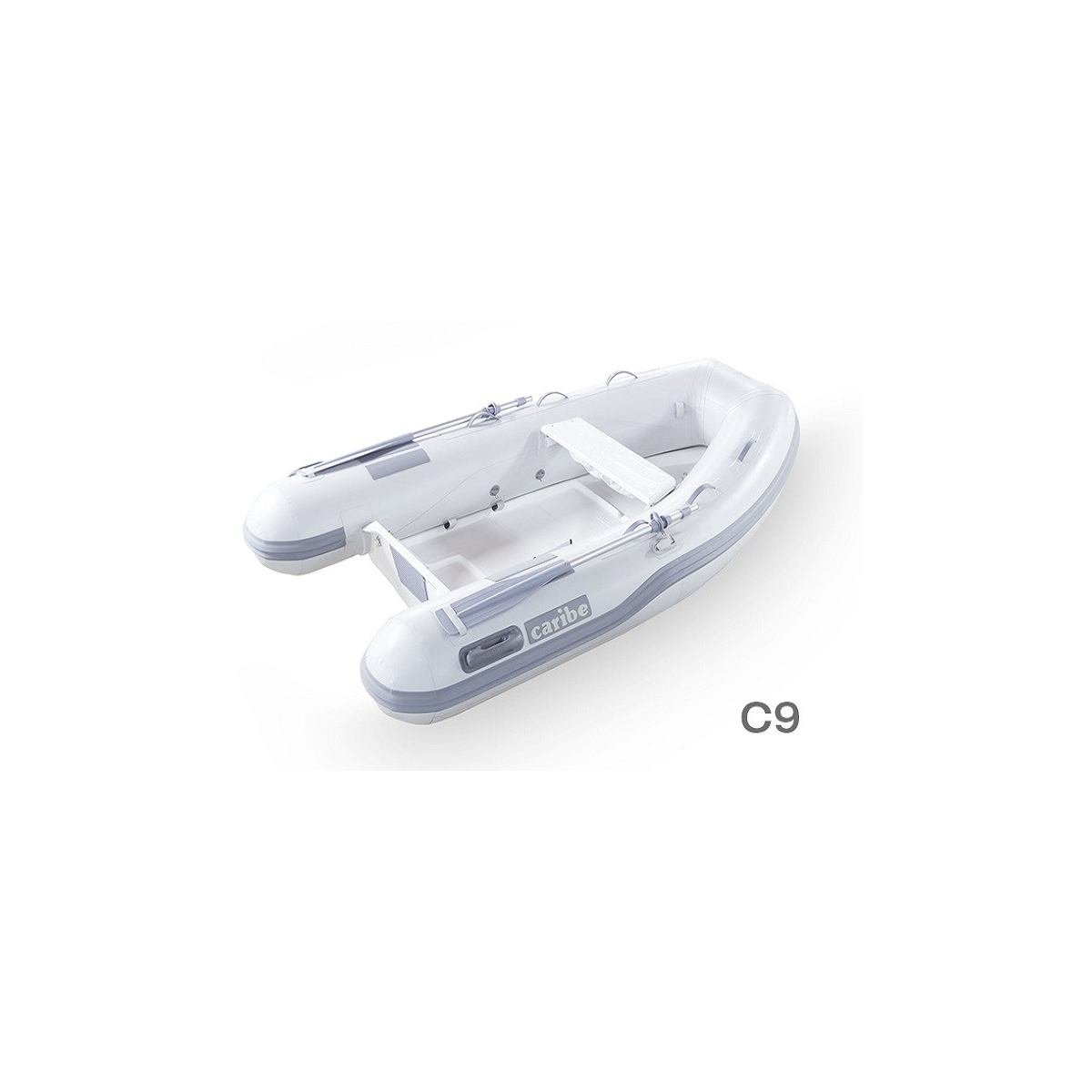
    Caribe C9 Inflatable RIB Dinghy – 9ft, 4-Person4-person RIB£5632.99

    Best Budget Inflatable: Intex Mariner 4 Inflatable Boat Set – 4-Person

    At £344.99, the Intex Mariner 4 Inflatable Boat Set – 4-Person is a straightforward, easy-to-store inflatable for calm inland waters — pack it away in the boot of a car and inflate in minutes.

    Best Fishing Skiff: Sea Eagle 285fpb Inflatable FishSkiff – 2-Person

    The Sea Eagle 285fpb Inflatable FishSkiff – 2-Person (£574.99) is purpose-built for anglers, with a stable, high-pressure floor and enough capacity for two anglers plus gear — a genuinely popular choice for fishing sheltered water without needing a trailer.

    Best Aluminium Jon Boat: Sun Dolphin Pro 120 Aluminum Jon Boat – 12ft

    If you’d rather have a rigid hull, the Sun Dolphin Pro 120 Aluminum Jon Boat – 12ft (£804.99) gives a stable 12-foot aluminium platform, well suited to small outboards and calm inland fishing.

    Best RIBs: Apex A-9 Open RIB Inflatable Dinghy – 9ft, 5-Person and Caribe C9 Inflatable RIB Dinghy – 9ft, 4-Person

    Stepping up to a rigid inflatable boat, the Apex A-9 Open RIB Inflatable Dinghy – 9ft, 5-Person (£5164.99) and Caribe C9 Inflatable RIB Dinghy – 9ft, 4-Person (£5632.99) both bring a solid fibreglass or aluminium hull with inflatable tubes for stability — genuinely capable small craft for coastal use, tendering to a larger boat, or as a standalone RIB for sheltered coastal trips.

    Which Type Should You Choose?

    • Budget inflatable: best for calm inland lakes and rivers where portability matters most.
    • Fishing skiff: best if fishing stability and a rigid floor matter more than capacity.
    • Aluminium jon boat: best if you want a rigid hull without the cost of a fibreglass RIB.
    • RIB: best for coastal use, tendering, or where a more capable, seaworthy hull is needed.

    Frequently Asked Questions

    Do inflatable boats need a licence in the UK?
    Requirements vary by waterway — check with the relevant harbour authority or the Canal & River Trust if using inland waterways, as many require registration regardless of boat type.

    How do I transport an inflatable boat?
    Most pack down into a carry bag small enough for a car boot; RIBs with rigid hulls typically need a trailer.

    What size outboard do I need?
    Check each listing’s rated maximum horsepower — inflatables and skiffs are typically rated for smaller outboards than rigid hull boats of similar size.

    Not sure which small boat suits your waters? Our team can help you choose — browse the full range in our online shop.

  • Best Trolling Motor Battery: Lithium vs AGM for Trolling Motors

    Best Trolling Motor Battery: Lithium vs AGM for Trolling Motors

    best trolling motor battery lithium vs AGM

    Your trolling motor is only as good as the battery running it — undersized or ageing batteries are the most common reason anglers lose power halfway through a day on the water. Here’s how to size a battery correctly and which options we’d recommend.

    BatteryCapacityPrice
    Nocqua 10Ah 12V Lithium Power Pack10Ah£252.99
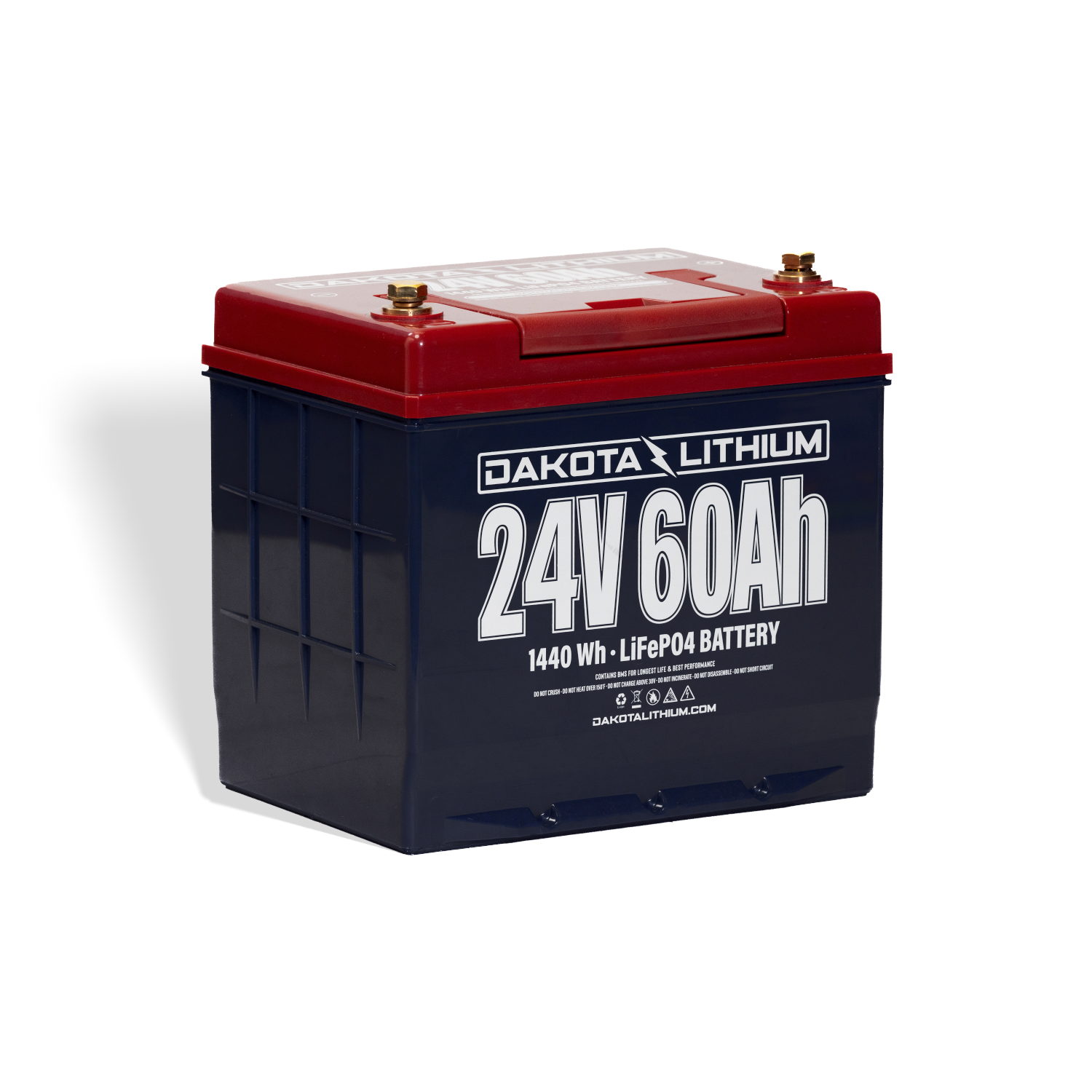
    Dakota Lithium 54Ah 12V LiFePO4 Deep Cycle Battery54Ah£402.99
    Amped Outdoors 50Ah Slim LiFePO4 12V Battery50Ah£459.99
    Dakota Lithium 100Ah 12V LiFePO4 Marine Battery100Ah£678.99
    Relion RB100-LT 12V 100Ah LiFePO4 Lithium Battery100Ah£804.99

    Why Lithium Beats AGM for Trolling Motors

    Trolling motors draw sustained, heavy current, and that’s exactly where lithium (LiFePO4) batteries pull ahead of AGM — they hold voltage steadier under load, meaning your motor keeps consistent thrust as the battery drains rather than gradually weakening. Lithium batteries also weigh roughly half as much for the same capacity, a genuine benefit on smaller boats and kayaks.

    Sizing Your Battery

    Frequently Asked Questions

    Can I just replace my AGM with lithium directly?
    In most cases yes, but check your trolling motor and any onboard chargers are lithium-compatible first — some older chargers are set up specifically for lead-acid charging profiles.

    How long does a lithium trolling motor battery last?
    Quality LiFePO4 batteries like Dakota Lithium and Relion are typically rated for thousands of charge cycles — many times the lifespan of an equivalent AGM battery.

    Do I need a special charger for lithium?
    Yes, a lithium-compatible charger is recommended — see our full marine battery guide for more on lithium vs AGM.

    Not sure what capacity your trolling motor needs? Our team can help you size the right battery — browse the full range in our online shop.

  • Best PFD & Inflatable Life Jacket for UK Boaters

    Best PFD & Inflatable Life Jacket for UK Boaters

    best PFD inflatable life jacket for UK boaters

    A PFD you don’t wear does nothing for you. The best life jacket is the one that’s comfortable enough to leave on all day — here’s how the options we stock compare, from foam fishing vests to auto-inflating hydrostatic PFDs.

    PFDTypePrice
    Stohlquist Fisherman PFDFoam fishing vest£160.99
    NRS Chinook OS Fishing PFDFoam fishing vest£195.99
    Mustang Survival MIT 100 Automatic Inflatable PFDAuto inflatable£229.99
    Mustang Survival Khimera Auto Hydrostatic Inflatable PFDAuto hydrostatic inflatable£459.99

    Foam Fishing PFDs: Stohlquist Fisherman PFD and NRS Chinook OS Fishing PFD

    Both the Stohlquist Fisherman PFD (£160.99) and NRS Chinook OS Fishing PFD (£195.99) are built specifically for anglers — low-profile foam vests with rod-friendly cut, tackle storage pockets and no inflation mechanism to service or replace. They’re the simplest, lowest-maintenance option and work in any water temperature or condition.

    Auto-Inflatable PFDs: Mustang Survival MIT 100 Automatic Inflatable PFD and Mustang Survival Khimera Auto Hydrostatic Inflatable PFD

    The Mustang Survival MIT 100 Automatic Inflatable PFD (£229.99) inflates automatically on water contact, staying low-profile and comfortable to wear all day — popular with sailors and cruisers who want minimal bulk. The Mustang Survival Khimera Auto Hydrostatic Inflatable PFD (£459.99) upgrades to hydrostatic inflation, which triggers based on water pressure at depth rather than simple moisture contact — reducing the risk of accidental inflation from rain or spray, a genuine advantage in UK conditions.

    Foam vs Inflatable: Which Should You Choose?

    • Foam vests need no servicing, work immediately with no false-inflation risk, and are the standard choice for anglers who need freedom of movement and pocket storage.
    • Inflatable PFDs are far less bulky and more comfortable for long days, but need annual servicing (checking the CO2 cylinder and firing mechanism) to stay reliable.
    • Hydrostatic inflation is worth the extra cost if you’re regularly exposed to rain, spray or wash that could trigger a standard auto-inflate PFD by mistake.

    Frequently Asked Questions

    Do inflatable PFDs need servicing?
    Yes — manufacturers generally recommend annual inspection and replacement of the CO2 cylinder and firing mechanism to keep them reliable.

    Is a foam vest warmer than an inflatable?
    Foam vests provide a small amount of extra insulation; for cold UK water, consider layering appropriate clothing underneath either type rather than relying on the PFD for warmth.

    What’s the difference between automatic and hydrostatic inflation?
    Standard auto-inflate PFDs trigger on moisture contact, which can occasionally cause false inflation in heavy rain or spray. Hydrostatic models trigger based on actual water pressure at a set depth, reducing false activations.

    Not sure which PFD suits your fishing or boating style? Our team can help you choose — browse the full range in our online shop.

  • Best Live Sonar System 2026: Garmin LiveScope vs Humminbird MEGA Live vs Lowrance ActiveTarget

    Best Live Sonar System 2026: Garmin LiveScope vs Humminbird MEGA Live vs Lowrance ActiveTarget

    best live sonar system Garmin LiveScope vs Humminbird MEGA Live vs Lowrance ActiveTarget

    Live, forward-facing sonar is the biggest shift in fishing electronics of the last decade — instead of seeing what’s already passed beneath the boat, you see fish and structure in real time, ahead or beside you, as they move. Garmin, Humminbird and Lowrance each build a competing system. Here’s how they compare.

    SystemBrandPrice
    Garmin LiveScope Plus System — LVS34 Transducer & GLS10 Black Box ComboGarmin£1494.99
    Garmin Panoptix LiveScope Plus System with GLS 10 and LVS34 TransducerGarmin£2069.99
    Humminbird MEGA Live 2 Forward-Facing SonarHumminbird£1609.99
    Humminbird MEGA Live 2 Imaging Live Sonar SystemHumminbird£1839.99
    Lowrance ActiveTarget 2 Live Sonar SystemLowrance£1494.99
    Lowrance ActiveTarget 2 Live Sonar System with TransducerLowrance£1953.99

    Garmin Panoptix LiveScope

    Garmin’s Garmin LiveScope Plus System — LVS34 Transducer & GLS10 Black Box Combo (£1494.99) and the higher-spec Garmin Panoptix LiveScope Plus System with GLS 10 and LVS34 Transducer (£2069.99) pair a black box processor with the LVS34 transducer, delivering forward, down and historical scanning modes. LiveScope is widely regarded as the system that popularised live sonar for recreational anglers, with a large accessory ecosystem for mounting on trolling motors and poles.

    Humminbird MEGA Live 2

    The Humminbird MEGA Live 2 Forward-Facing Sonar (£1609.99) and full Humminbird MEGA Live 2 Imaging Live Sonar System package (£1609.99) deliver Humminbird’s second-generation live imaging, with a reputation for exceptionally clean, high-contrast target definition — useful for picking individual fish out from cover.

    Lowrance ActiveTarget 2

    The Lowrance ActiveTarget 2 Live Sonar System (£1494.99) and bundled Lowrance ActiveTarget 2 Live Sonar System with Transducer (£1953.99) integrate tightly with Lowrance’s HDS and Elite series displays, with a wide field of view that some anglers find easier to track moving fish with.

    Which Live Sonar System Should You Choose?

    • Already run a Garmin, Humminbird or Lowrance chartplotter? Staying within the same brand’s live sonar system is almost always the simplest and best-supported route, since compatibility and software integration are guaranteed.
    • Buying a display and live sonar together? Compare the bundled system prices above rather than buying separately — bundles are usually better value.
    • Prioritise target clarity if you fish heavy cover and need to distinguish individual fish from structure; prioritise field of view if you fish more open water and track moving schools.

    Frequently Asked Questions

    Do I need a compatible chartplotter to run live sonar?
    Yes — all three systems require a compatible display from the same brand to process and show the live sonar feed.

    Can I mount live sonar on my trolling motor?
    Yes, all three brands offer trolling motor and pole mounts as accessories, letting you scan ahead of the boat as you move.

    Is live sonar worth the cost?
    For anglers targeting individual fish in real time — bass, crappie, pike — most say yes. For general cruising or trolling, a standard CHIRP or imaging sonar is usually sufficient.

    Not sure which live sonar system fits your existing electronics? Our team can check compatibility before you buy — browse the full range in our online shop.

  • Best Marine GPS Under £1,000: Mid-Range Chartplotter Guide

    Best Marine GPS Under £1,000: Mid-Range Chartplotter Guide

    best marine GPS under 1000 pounds mid-range chartplotter

    Between £500 and £1,000 is where marine GPS units start to feel genuinely capable — larger screens, proper imaging sonar and, on some models, GPS charts built specifically for local waters. Here’s our pick of the best mid-range options.

    UnitScreenPrice
    Garmin GPSMAP 86sc Handheld Marine GPS with BlueChart g3 ChartsHandheld£574.99
    Lowrance HOOK Reveal 7 TripleShot with SideScan7-inch£574.99
    Humminbird HELIX 7 CHIRP MEGA DI GPS G4N Fish Finder7-inch£632.99
    Lowrance Eagle 9 with C-MAP European Waterways and TripleShot Transducer9-inch£804.99
    Humminbird HELIX 9 MEGA SI+ G4N with AutoChart Live9-inch£977.99

    The Lowrance HOOK Reveal 7 TripleShot with SideScan and Humminbird HELIX 7 CHIRP MEGA DI GPS G4N Fish Finder both bring 7-inch screens with proper imaging sonar (TripleShot and MEGA Down Imaging respectively) into this bracket — noticeably sharper structure detail than entry-level 4-5 inch units.

    For UK boaters specifically, the Lowrance Eagle 9 with C-MAP European Waterways and TripleShot Transducer is worth a close look — it ships with C-MAP European Waterways charts included, useful if you’re cruising canals, rivers or coastal Europe rather than just open sea.

    The Humminbird HELIX 9 MEGA SI+ G4N with AutoChart Live tops this bracket with AutoChart Live, building your own depth maps as you go — genuinely useful on waters that aren’t well charted commercially.

    What You Get at This Price Point

    • Larger 7-9 inch screens that are easier to read from a distance at the helm.
    • Proper imaging sonar (Side/Down Imaging or MEGA Imaging) for reading structure, not just fish arches.
    • Better chart options, including region-specific packages like European Waterways coverage.
    • More capable networking for adding a second display or basic radar later.

    Frequently Asked Questions

    Is a 7-inch or 9-inch screen better?
    7-inch suits smaller helms and kayaks; 9-inch is easier to read at a glance from further away and gives more usable space for split-screen views.

    What’s AutoChart Live?
    A Humminbird feature that records depth data as you drive and builds it into your own chart layer — useful on smaller lakes and rivers that lack detailed commercial charts.

    Should I spend more for European Waterways charts?
    If you cruise rivers, canals or coastal Europe regularly, having dedicated charts included can be worth more than the price difference in convenience alone.

    Want help picking the right mid-range unit for your boat? Our team can talk through screen size, charts and sonar — browse the full range in our online shop.