Author: Admin

  • Best Mounts & Accessories for Your Jet Ski: GPS, Phone & Action Cameras

    A jet ski handlebar takes a beating from vibration, spray and impact, which rules out most standard phone and camera mounts. Here’s what actually holds up, and why the RAM system has become the default choice.

    Why RAM mounts specifically

    The RAM ball-and-socket system is built from marine-grade aluminium and high-strength composite, and every component in the range is cross-compatible — a Tough-Claw base fits any B-size arm, which fits any B-size cradle. That means you can build a setup piece by piece and swap parts later without starting over, and it’s backed by a lifetime mount warranty.

    Mounting your phone

    A RAM X-Grip mount with Tough-Claw base clamps directly to most jet ski handlebars without tools or drilling, and its spring-loaded cradle holds your phone securely even in a case. If you want to top up your battery while you ride, a waterproof wireless charging holder adds Qi charging without adding a cable to snag.

    Mounting a GPS or action camera

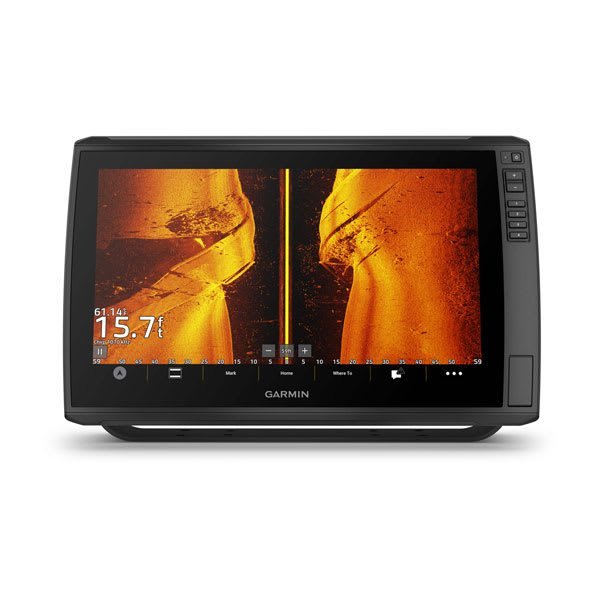
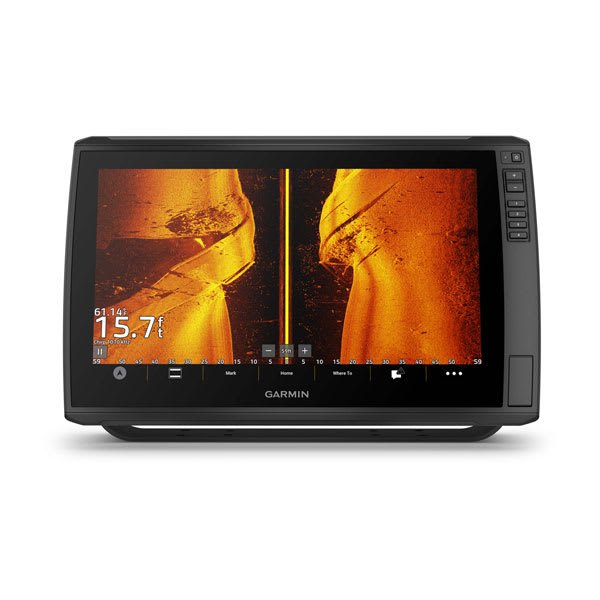
    Most GPS units and dedicated satellite communicators, like the Garmin inReach Mini 2, can be mounted the same way once fitted with a compatible ball base. For action cameras, a RAM Action Camera Ball Adapter replaces the factory GoPro-style bracket, unlocking the entire RAM mounting range instead of a single fixed position.

    A few fitting tips

    • Check your handlebar diameter before ordering a Tough-Claw base — most jet ski bars fall in the small-claw range
    • Use the included safety tether on any mount over open water, not just as a backup
    • Position mounts so switches and buttons stay reachable, not just visible

    Browse our full range of jet ski mounts and electronics, or get in touch if you’re not sure what fits your model.
  • How to Winterise and Store Your Jet Ski: A Step-by-Step Guide

    Skipping proper winterisation is the single most common reason jet skis need expensive engine work the following spring. It takes an afternoon and a handful of supplies — here’s the process in order.

    1. Flush the cooling system

    Run fresh water through the cooling system using the flush attachment, especially critical if you’ve been riding in saltwater. Any salt left sitting in the cooling passages over winter accelerates corrosion significantly.

    2. Fog the engine and stabilise the fuel

    Add fuel stabiliser to a full tank to stop the fuel degrading and gumming up the system over winter, then run the engine briefly to circulate it through the fuel lines. Fogging oil, sprayed into the air intake while the engine runs and again just before shutdown, coats internal engine surfaces to prevent corrosion during storage.

    3. Change the oil

    Old oil contains acidic combustion by-products that will sit in contact with engine internals all winter if left in. Changing it before storage, not just before the next season, protects the engine during the months it’s doing nothing.

    4. Remove or maintain the battery

    A battery left connected and unused will slowly discharge and can be damaged by a hard freeze. Either disconnect it and store it somewhere dry and above freezing, or leave it on a smart maintenance charger that trickle-charges as needed.

    5. Cover and store properly

    • Store on a trailer or stand rather than directly on the ground where possible
    • Use a breathable, well-fitted cover rather than plastic sheeting, which traps condensation
    • Keep it somewhere sheltered from direct sun and extreme temperature swings if you can

    A jet ski properly winterised in fifteen minutes of extra effort each step almost always starts cleanly come spring — the machines that don’t are nearly always the ones that skipped one of these steps.

    Need mounts, covers or electronics before you put yours away? Browse our jet ski accessories range, or ask us if you’re not sure what your model needs.

  • VHF Radio Channels Explained: What Every UK Boater Needs to Know

    A VHF radio is only as useful as your understanding of which channel to use and when. Here’s a plain-English rundown of the channels every UK boater actually needs to know.

    Channel 16: distress, safety and calling

    Channel 16 is the international distress, safety and calling channel, monitored by HM Coastguard and other vessels. It’s used to raise a Mayday, issue a Pan-Pan urgency call, or make initial contact with another vessel before switching to a working channel to continue the conversation. It should never be used for routine chat.

    Channel 70: DSC distress alerting

    Modern VHF sets with Digital Selective Calling (DSC) use Channel 70 to send an automated distress alert containing your vessel’s identity and, if connected to GPS, your exact position. Pressing the dedicated distress button sends this alert digitally before you speak on Channel 16, which is why a DSC set connected to GPS and registered with an MMSI number is worth having over a basic radio.

    Working and local channels

    • Channel 6 — intership safety communications, often used between vessels in company
    • Channel 13 — bridge-to-bridge, used for navigational communication around larger vessels and bridges
    • Channel 67 — HM Coastguard’s primary UK working channel for small craft safety traffic
    • Channel 80 — commonly used by UK marinas for berthing and general communication
    • Channel M / M2 — UK private leisure channels, often used within a marina or club

    Exact working channel assignments can vary by marina and harbour authority — always check the specific channel for wherever you’re heading, usually listed on the harbour or marina’s website or in the almanac.

    Do you need a licence to use one?

    Yes. In the UK you need a Short Range Certificate (SRC) to legally operate a marine VHF radio, plus a ship radio licence for the vessel itself, which also issues your MMSI number for DSC. Both are straightforward to obtain through RYA-affiliated training centres.

    Looking for a new handheld or fixed-mount VHF radio? Browse our VHF radio range, or get in touch if you’re not sure which model suits your boat.

  • Trolling Motor Thrust Explained: How Many Pounds Do You Need?

    Pounds of thrust is the number most trolling motor listings lead with, but on its own it doesn’t tell you whether a motor suits your boat. Here’s how to actually work it out.

    The rule of thumb

    A widely used starting point is 2lbs of thrust for every 100lbs of fully loaded boat weight, including passengers, fuel and gear — not just the boat’s dry weight. That figure assumes calm conditions; wind, current and chop all increase the load a motor has to overcome.

    Fully loaded boat weightSuggested thrust
    Up to 1,500 lbs30-40 lb thrust
    1,500-2,000 lbs45-55 lb thrust
    2,000-3,000 lbs55-70 lb thrust
    3,000 lbs+70-100+ lb thrust, or dual motors

    Why it’s worth sizing up rather than down

    An undersized motor works harder to hold position or make headway in wind and current, draining your battery faster and offering less control when you actually need it — trying to hold position over a mark, or fighting a crosswind on the way back in. Sizing slightly above the minimum guideline usually gives noticeably better control and battery life than sizing to the exact minimum.

    Thrust isn’t the only factor

    Shaft length needs to suit your boat’s freeboard and transom height, and voltage (12V, 24V or 36V) affects both available thrust and runtime — higher voltage systems generally deliver more thrust per amp drawn, which matters for how long your battery lasts through a day on the water.

    Once you’ve settled on thrust, our trolling motor battery sizing guide covers how to match a battery to your new motor. Browse our trolling motor range, or get in touch and tell us your boat’s weight and typical conditions.

  • Best Marine Electronics for Cork Harbour & West Cork Sea Anglers

    Cork’s coastline runs from the sheltered marinas of Crosshaven and Cobh to the deep-water reef and wreck marks off Kinsale, Schull and Baltimore. That range means the “best” marine electronics setup really depends on what kind of Cork boating you do. Here’s our take, plus what it costs to get gear shipped to Cork.

    For Cruisers Berthed at Crosshaven or Cobh

    Running passages around Cork Harbour and out past Roches Point calls for solid chart plotting and networking. The Lowrance HDS Pro 12 combines chart plotting, Active Imaging sonar and NMEA 2000 networking, so you can expand later with AIS or a second display.

    For Charter Boats Fishing Kinsale Reefs & Wrecks

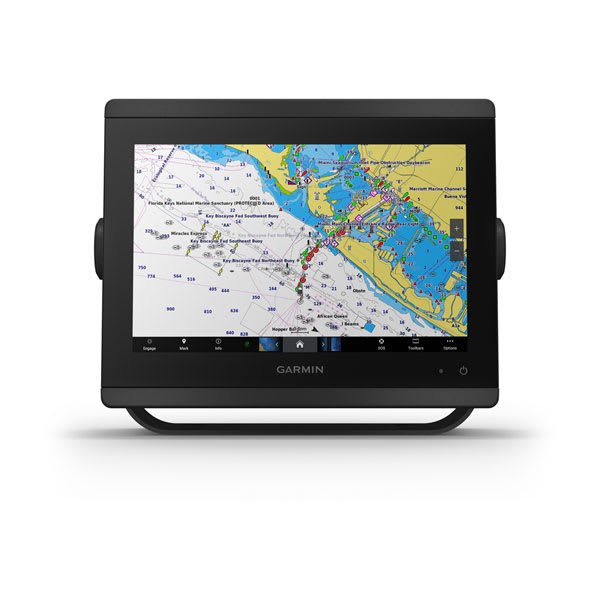
    Kinsale’s reef and wreck marks hold coalfish, pollack and cod tight to structure, which means you need real target separation. The Garmin ECHOMAP Ultra 2 122sv pairs CHIRP, ClearVü and SideVü sonar with preloaded Navionics UK & Ireland charts for the Celtic Sea.

    For Deep-Sea Charters Out of Schull, Goleen & Baltimore

    The runs out to Mizen Head and the Fastnet grounds for blue shark, ling and conger are longer and more exposed. The Raymarine Axiom 2 Pro 12 RVM adds built-in radar on top of chartplotting and sonar — useful cover for West Cork’s changeable weather.

    For Estuary & Light-Tackle Boats

    Working structure precisely without constantly re-anchoring is easier with a GPS trolling motor paired with your sonar — handy for estuary and inshore boats working Cork Harbour’s shallower marks.

    Is live sonar worth it for Cork reef and wreck fishing?

    For anglers targeting tight structure off Kinsale or the wrecks around Cork Harbour, yes — Garmin LiveScope and Lowrance ActiveTarget 2 are both in stock and let you see fish holding on structure in real time rather than reading a returning CHIRP trace.

    What does it cost to ship marine electronics to Cork?

    Every order to Cork ships Delivered Duty Paid — Irish VAT is calculated and included at checkout, so there’s no customs bill on delivery. Typical transit time is 2–4 working days via tracked, insured courier.

    Ready to Gear Up for Cork’s Waters?

    See our full Cork marine electronics range or shop everything in stock. Our technical team can help match a transducer and mount to your boat before you order.

  • Best Chartplotters & Fish Finders for Dublin Bay and the Irish Sea

    Dublin Bay covers a huge range of boating — sheltered marina cruising out of Dun Laoghaire, working charter boats out of Howth, and light-tackle kayak sessions at Malahide and Poolbeg. The right chartplotter or fish finder depends heavily on which of those you’re doing. Here’s what we’d recommend for each, and what it costs to get gear delivered to Dublin.

    For Howth Charter Boats & Offshore Anglers

    Boats working the Baily, Ireland’s Eye and the deeper marks off Howth need strong CHIRP target separation to pick fish out of structure. The Garmin ECHOMAP Ultra 2 122sv pairs CHIRP, ClearVü and SideVü sonar with a 12" sunlight-readable display and preloaded Navionics UK & Ireland charts — no separate chart purchase needed before you leave the harbour.

    For Dun Laoghaire Cruising Yachts

    If you’re berthed in Dun Laoghaire and running passages across Dublin Bay or further down the Irish Sea, you want chart plotting and networking that scales with your boat. The Lowrance HDS Pro 12 handles chart plotting, Active Imaging sonar and NMEA 2000 networking in a single multifunction display, so you can add AIS, autopilot or a second station later.

    For Poor-Visibility Passages In and Out of Dublin Port

    Dublin Bay’s weather can close in fast. The Raymarine Axiom 2 Pro 12 RVM builds in radar alongside chartplotting and sonar, which matters if you’re regularly running in or out of Dublin Port, Dun Laoghaire or past busy shipping lanes in reduced visibility.

    For Kayak & Shore Anglers at Poolbeg and Malahide

    Not every Dublin angler needs a full helm install. For kayak sessions at Malahide Estuary or shore fishing off Poolbeg Lighthouse, a compact, portable fish finder gets you sonar readings without permanent wiring.

    Do I need live sonar for Dublin Bay fishing?

    Not essential, but useful. Garmin LiveScope and Lowrance ActiveTarget 2 are both in stock and popular with anglers working structure around Howth and Ireland’s Eye where precise target identification matters.

    What does it cost to ship marine electronics to Dublin?

    Every order to Dublin ships Delivered Duty Paid — Irish VAT is calculated and included at checkout, so there’s no customs bill on delivery. Typical transit time is 2–4 working days via tracked, insured courier.

    Ready to Gear Up for Dublin Bay?

    See our full Dublin marine electronics range or shop everything in stock. Our technical team can help match a transducer and mount to your boat before you order.

  • Marine Electronics Delivery to Dublin, Cork & Across the UK (2026 Guide)

    Marine Electronics Delivery to Dublin, Cork & Across the UK (2026 Guide)

    marine electronics delivery to Dublin Cork and across the UK

    We ship genuine marine electronics across the UK and Ireland every week, and two of our busiest destinations are Dublin and County Cork — alongside strong demand right across England. Here’s what anglers and boat owners in these areas are buying, and how delivery actually works.

    Delivery to Dublin

    Dublin Bay sea anglers and boat owners on the Liffey and further round to Dun Laoghaire are among our most regular customers. Compact chartplotters and handheld VHF radios are popular for smaller craft working the bay, while offshore anglers heading further out favour a full fish finder and live sonar setup. See our Ireland delivery page for exact shipping times to Dublin addresses.

    Delivery to County Cork

    From Cork Harbour out to the West Cork coastline, we see strong demand for VHF radios and PLBs given the more exposed offshore fishing common in the area, plus trolling motors for anglers working the sheltered inlets and estuaries. Genuine stock, shipped the same way as our Dublin orders — see the Ireland delivery guide for full details.

    Delivery across England

    England remains our largest single market — from Solent-based cruisers to East Coast sea anglers and inland reservoir bass fishing. Full range available with UK-wide delivery; see our UK delivery page for shipping times by region.

    Also shipping across Ireland and Europe

    Beyond Dublin and Cork, we regularly ship to County Meath, Kildare, Wicklow, Louth and Waterford, and across the water to Dutch provinces including Zuid-Holland, Noord-Holland, North Brabant, Gelderland, Utrecht and Flevoland, plus growing demand from Norway including Oslo, Akershus, Hordaland and Østfold. If you’re outside our listed delivery pages, get in touch and we’ll confirm shipping options and timescales for your address.

    What to buy first

    Questions about delivery to your specific address? Get in touch — we’ll confirm timescales before you order. Browse the full shop for genuine Garmin, Lowrance, Humminbird and Minn Kota stock.

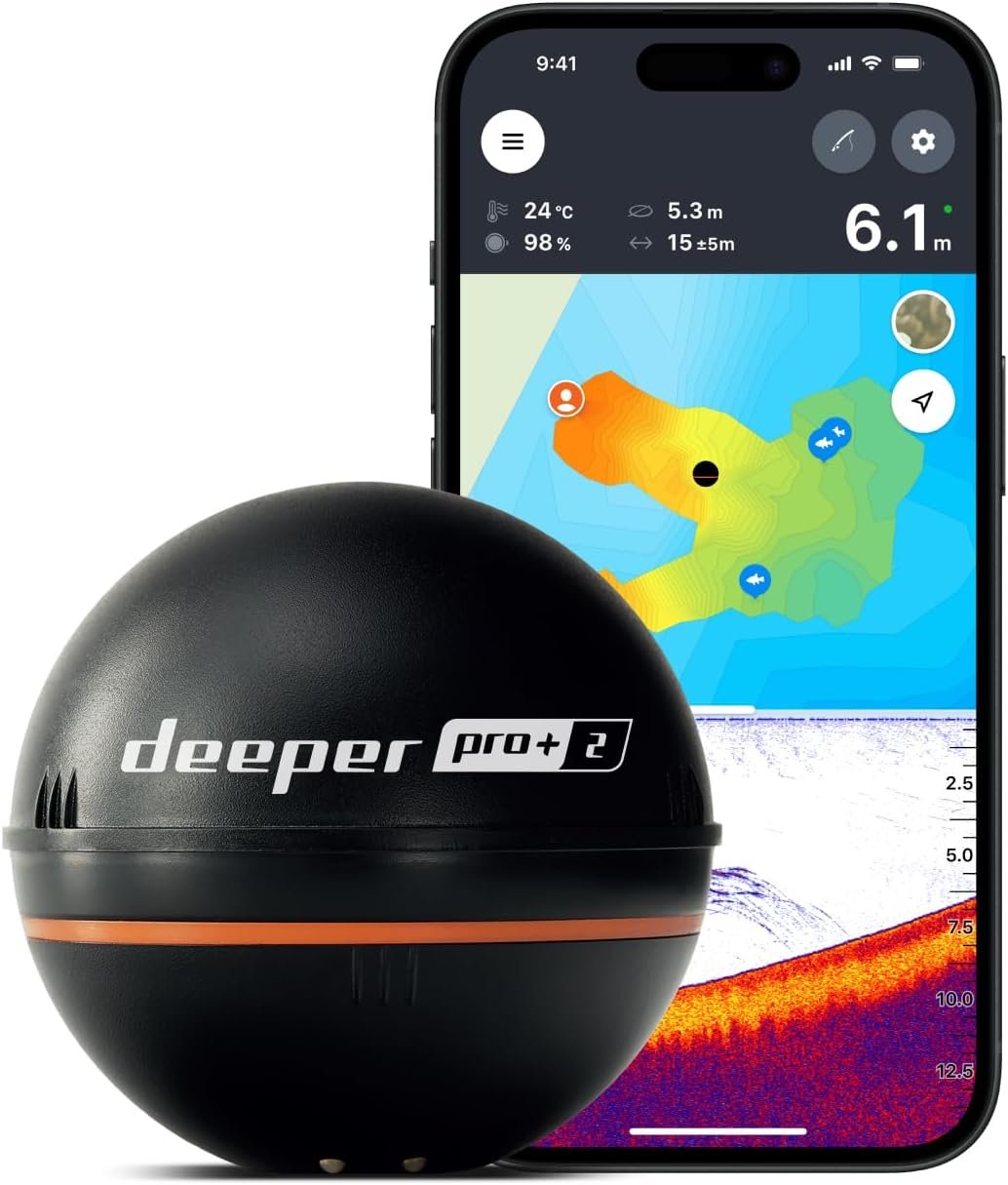
  • Deeper PRO+ 2 Castable Sonar Review: Is It Worth It for Kayak Anglers?

    Deeper PRO+ 2 Castable Sonar Review: Is It Worth It for Kayak Anglers?

    Deeper PRO+ 2 castable sonar review for kayak anglers

    The Deeper PRO+ 2 is genuinely different from a conventional fish finder — no transducer to mount, no wiring, no display to fit. You cast it out like a lure and it streams sonar straight to your phone. Here’s whether it actually holds up for kayak anglers.

    What it does well

    • Zero installation — genuinely usable within minutes of unboxing
    • Works from a kayak, from shore, or even through ice — one unit for multiple fishing styles
    • GPS mapping builds a depth map of water you fish regularly over time

    Where it falls short of a fixed fish finder

    It’s not a live, always-on display like a mounted unit — you’re checking your phone rather than glancing at a screen mounted in front of you, which is less practical while actively paddling and fishing at the same time. Range and battery life are also more limited than a boat-powered system.

    Who it suits

    Excellent for kayak anglers who don’t want to permanently mount a fish finder, shore anglers scouting a new spot, or as a genuinely useful backup to a mounted unit. If you want a proper mounted display for a kayak, see our Best Kayak Fish Finder guide instead.

    See the full Deeper PRO+ 2 listing, genuine stock with UK & Europe delivery.

  • Best Marine Electronics for First-Time Boat Owners

    Best Marine Electronics for First-Time Boat Owners

    best marine electronics for first time boat owners

    Congratulations on the first boat — now the electronics shopping list can feel endless. Here’s a sensible order to buy in rather than trying to kit everything out at once.

    1. VHF radio — buy this first

    Before sonar, before a fancy chartplotter — a VHF radio is the safety-critical item. See our VHF buying guide for fixed vs handheld.

    2. A basic chartplotter/fish finder combo

    You don’t need a flagship unit on day one. A 7-9 inch combo covers navigation and basic sonar while you learn your local water — see our Best Fish Finder guide for entry-level picks.

    3. Safety gear

    PFDs for everyone aboard and, if you’ll be venturing further offshore, a PLB — see our PFD guide.

    4. Upgrade later, once you know your needs

    Live sonar, GPS trolling motors and bigger displays are genuinely excellent — but they’re upgrades to buy once you know exactly how you use the boat, not before. Resist the urge to over-buy in the first month.

    New to boating and want a straightforward starter recommendation? Get in touch — tell us your boat and how you plan to use it.

  • Winter Boat Storage & Battery Maintenance Guide

    Winter Boat Storage & Battery Maintenance Guide

    winter boat storage and battery maintenance guide

    A battery left flat or unmaintained over a UK winter is one of the most common — and most avoidable — causes of an expensive spring surprise. Here’s what actually matters.

    Don’t store batteries flat

    A lead-acid or AGM battery left discharged over winter can sulfate and permanently lose capacity. Lithium batteries are more tolerant but still benefit from being stored at a partial charge rather than fully flat or fully topped up.

    Use a maintenance charger, not just a one-off charge

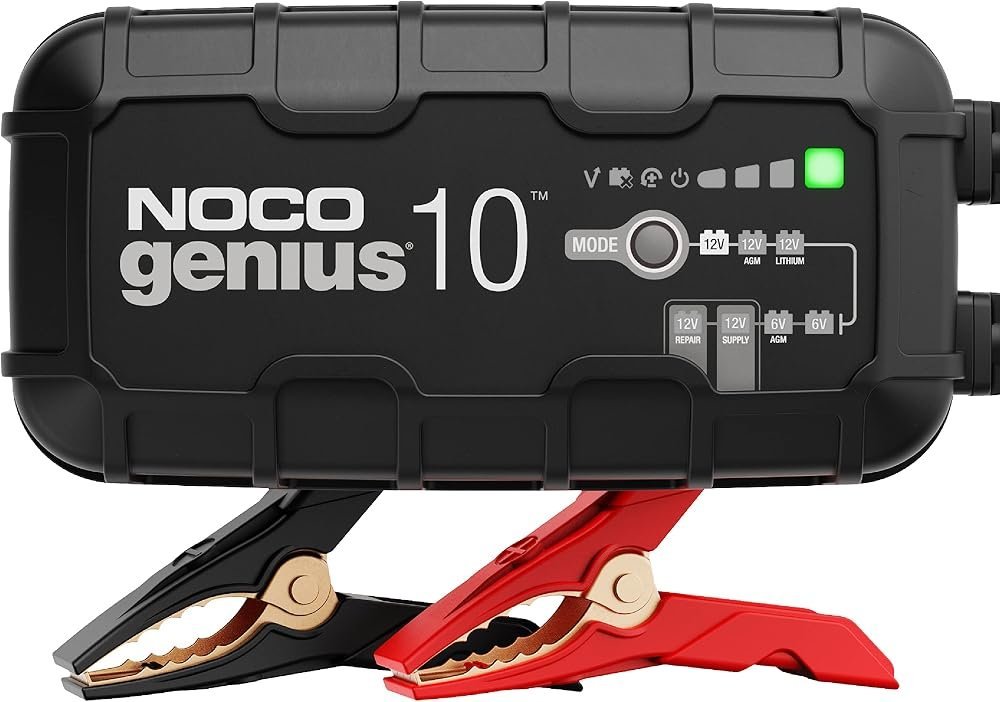
    Leaving a smart charger like the NOCO Genius 10 connected through storage keeps the battery topped up automatically without overcharging — it steps down to a maintenance mode once full rather than continuing to push current in.

    Protect your electronics too

    Remove handheld and portable units for indoor storage where practical, and disconnect fixed-mount displays from power if the boat sits unused for months — reduces both parasitic battery drain and condensation risk in connectors.

    Spring checklist

    • Check battery terminals for corrosion before reconnecting
    • Test charge level before the first trip, don’t assume it held
    • Power on all electronics and confirm GPS/sonar lock before you’re back on the water

    Need a maintenance charger or a replacement battery before winter sets in? Browse the shop or ask us for advice specific to your setup.