Author: Admin

  • Best Handheld GPS for Boaters & Anglers

    Best Handheld GPS for Boaters & Anglers

    best handheld GPS for boaters and anglers

    A handheld GPS isn’t just for hikers — for boaters and anglers it’s a genuinely useful primary unit for small craft, or a smart backup for anyone running a fixed chartplotter offshore.

    Why carry one even with a fixed chartplotter

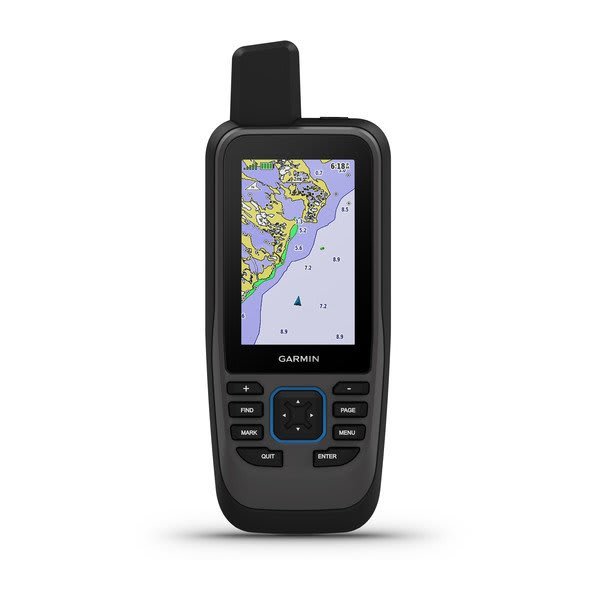
    Electronics fail, and a fixed chartplotter going dark offshore is a genuinely bad moment. A charged handheld like the Garmin GPSMAP 86sc in a dry bag is cheap insurance — floating, waterproof, and preloaded with BlueChart g3 charts so it’s immediately usable, not just a blank GPS.

    Primary use for kayaks and small tenders

    For a kayak or small tender where a fixed install isn’t practical, a handheld gives you charts and navigation with zero wiring — clip it to your PFD or deck rigging and you’re set.

    What to look for

    • Floating in water — not just splash-resistant
    • Preloaded marine charts, not just a basemap
    • Battery life rated for a full day’s use

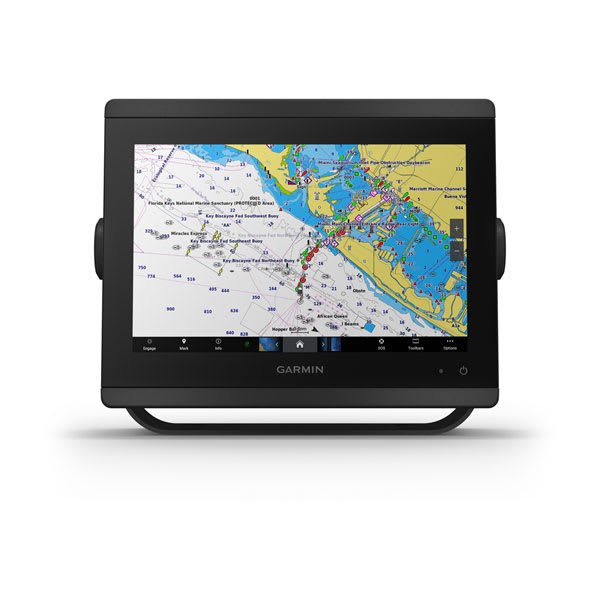
    Browse our full GPS and chartplotter range or get in touch if you’re deciding between handheld and fixed-mount for your boat.
  • How to Choose a Trolling Motor Battery: Amp Hours Explained

    How to Choose a Trolling Motor Battery: Amp Hours Explained

    how to choose a trolling motor battery amp hours explained

    Amp hours (Ah) is the number that actually determines how long your trolling motor will run — but most buyers don’t know how to translate it into real-world fishing time. Here’s the simple version.

    What amp hours actually means

    A 100Ah battery can theoretically supply 100 amps for one hour, or 10 amps for 10 hours, before it’s flat. Your trolling motor’s draw changes constantly with speed setting — full power draws far more than a slow crawl — so real runtime varies a lot by how you actually fish.

    Rough sizing guide

    Motor sizeTypical full-day battery need
    Small (30-40lb thrust)50-60Ah
    Mid (55-70lb thrust)80-100Ah
    Large (80lb+ thrust)100Ah+ (or dual battery bank)

    Why lithium changes the maths

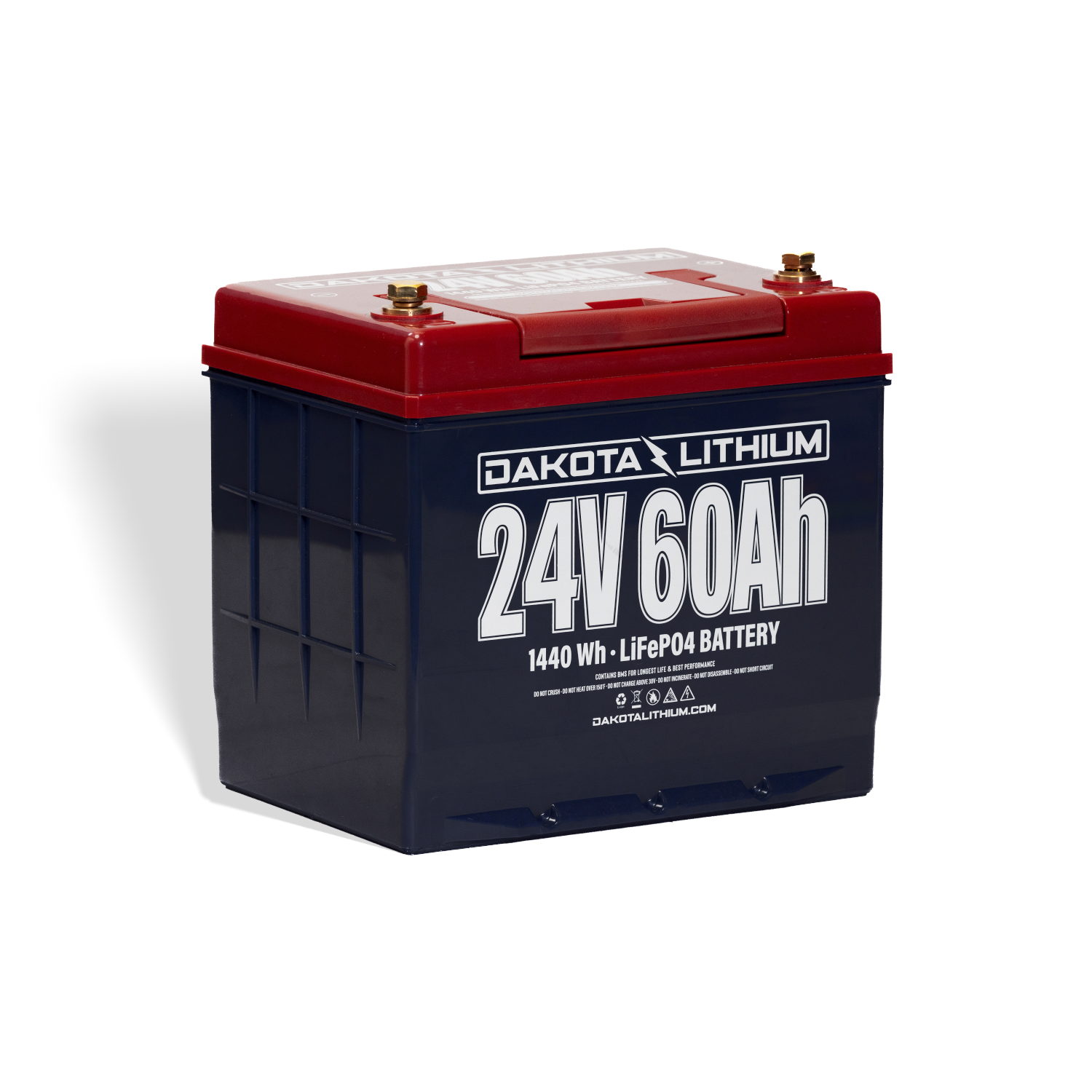
    Lithium batteries like the Dakota Lithium 100Ah deliver closer to their full rated capacity than AGM, which typically shouldn’t be discharged past 50% without shortening its lifespan. In practice, a 100Ah lithium battery gives meaningfully more usable runtime than a 100Ah AGM of the same rating.

    Not sure what size battery your motor needs? Tell us your motor’s thrust and typical trip length and we’ll help you size it correctly.

  • Best Marine Electronics Bundle Deals UK 2026

    Best Marine Electronics Bundle Deals UK 2026

    best marine electronics bundle deals UK

    Buying a chartplotter, transducer and sonar module as separate line items almost always costs more — and takes more research — than buying a matched bundle. Here’s why bundles are usually the smarter buy.

    Why bundles save money

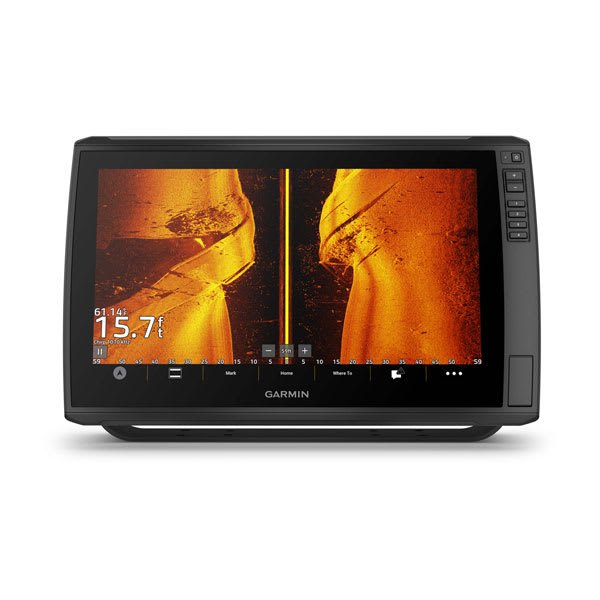
    Manufacturers price bundles below the sum of individual components specifically to encourage complete purchases, and it takes the guesswork out of matching a compatible transducer to your display. Our Garmin ECHOMAP Ultra 2 126sv LiveScope Plus Bundle and Lowrance HDS PRO 12 ActiveTarget Bundle are both good examples — display, transducer and live sonar system in one purchase, correctly matched.

    When to buy separately instead

    If you already own a compatible display and just need to add live sonar, buying the transducer alone (like our Garmin LiveScope 2 HD Transducer) makes more sense than a full bundle you don’t need.

    Not sure whether a bundle or separate components suit your situation? Get in touch and tell us what you already have installed.

  • RIB vs Inflatable Boat: Which Should You Buy?

    RIB vs Inflatable Boat: Which Should You Buy?

    RIB vs inflatable boat which should you buy

    Both RIBs and fully inflatable boats get lumped together, but they’re genuinely different products with different strengths. Here’s how to choose.

    RIB (Rigid Inflatable Boat)

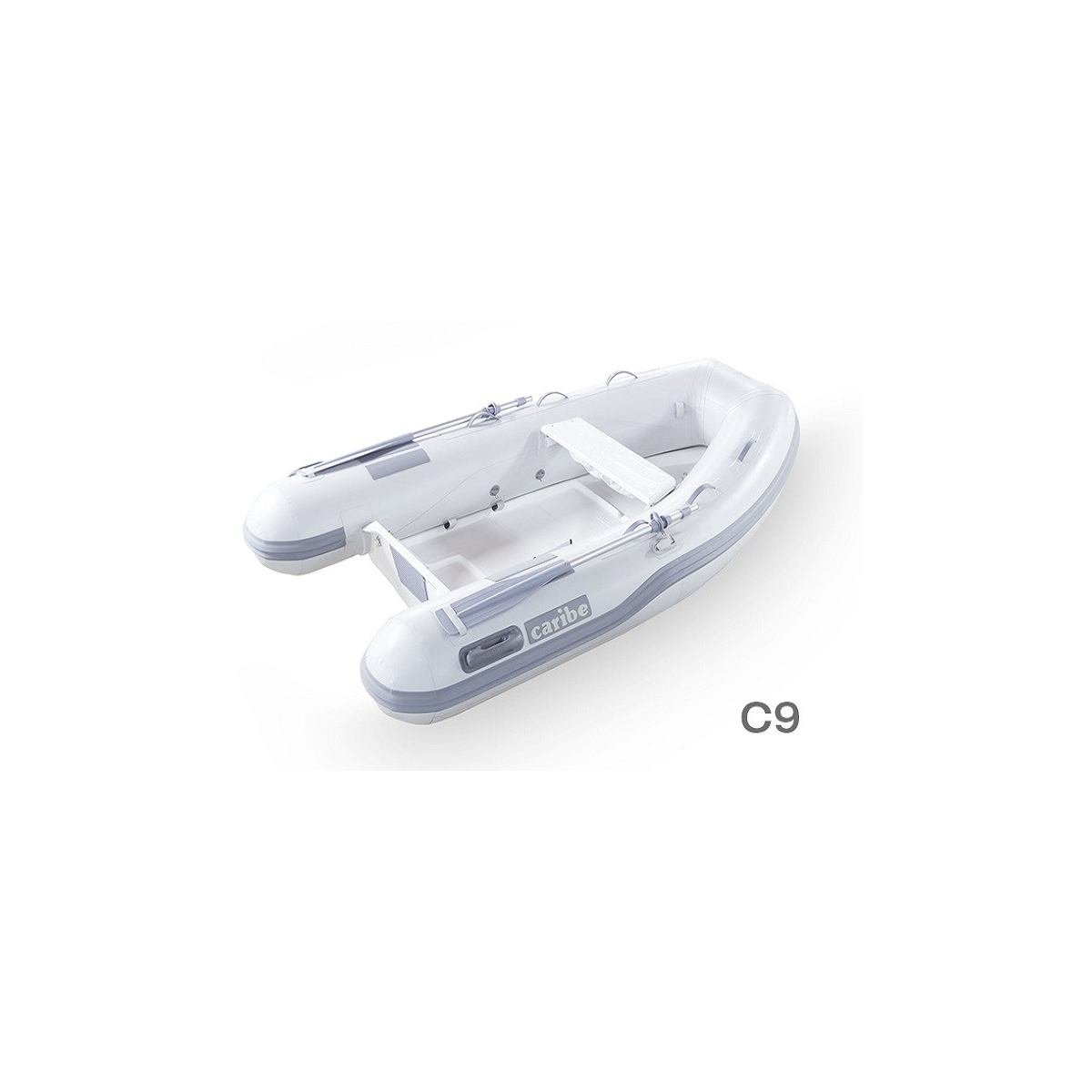
    A solid hull (usually fibreglass or aluminium) with inflatable tubes around the sides. The rigid hull gives better handling, higher achievable speeds, and a more “proper boat” feel — the Caribe C9 is a good example. RIBs cost more and are heavier to transport than a fully inflatable.

    Fully inflatable boats

    No rigid hull at all — the whole boat packs down small and is far easier to store and transport, even in a car boot for smaller models like the Intex Mariner 4. Handling and top speed are more limited, and they’re better suited to calm inshore water than a RIB.

    Our recommendation

    • Choose a RIB if: you want proper performance, will use it regularly, and have storage/towing capacity for it
    • Choose fully inflatable if: storage space is tight, you need it to pack down for travel, or it’s an occasional-use tender

    See our full inflatable boat buying guide, or get in touch with questions about a specific model.

  • Best Marine Network Switch & NMEA 2000 Setup Guide

    Best Marine Network Switch & NMEA 2000 Setup Guide

    marine network switch NMEA 2000 setup guide

    Once you have more than one display, sonar source or sensor on a boat, you need a proper network rather than a tangle of point-to-point cables. Here’s how NMEA 2000 networking works in plain terms.

    The backbone concept

    NMEA 2000 runs as a “backbone” — a single cable run with T-connectors branching off to each device — rather than each unit wiring back to a central point individually. This makes adding a new device later far simpler than rewiring everything.

    When you need a network switch

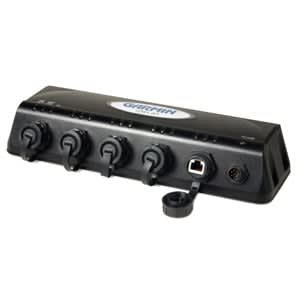
    A device like the Garmin 4-Port Marine Network Switch lets multiple displays share sonar and GPS data from a single source — so a second station display shows the same LiveScope feed as your primary helm, without needing its own transducer. If you’re running two or more displays on one boat, this is what makes shared data actually work.

    Planning ahead

    If you’re only running one display now but might add a second station later, it’s worth running the backbone with spare capacity from day one — much easier than adding a network switch retroactively once everything’s sealed up. Get in touch if you want help planning a multi-display network before you start wiring.

  • Anchor Trolley Systems Explained: Do You Need One for Kayak Fishing?

    Anchor Trolley Systems Explained: Do You Need One for Kayak Fishing?

    anchor trolley system kayak fishing explained

    Anchoring a kayak from a fixed bow or stern point sounds simple until you’re actually fighting current or wind — the kayak swings broadside and fishing becomes a battle. An anchor trolley fixes exactly this.

    What it actually does

    A trolley runs a line through pulleys along the side of your kayak, letting you adjust where the anchor line pulls from — bow, stern, or anywhere between — without moving the anchor itself or leaving your seat. Position it forward to hold nose-into-current, or amidships to sit broadside for casting across a drop-off.

    Who genuinely needs one

    • Anyone fishing current — rivers, tidal estuaries, or areas with strong tidal flow
    • Kayak anglers who anchor regularly rather than drift fishing
    • Anyone who’s had a kayak swing broadside and take on chop while anchored

    Installation

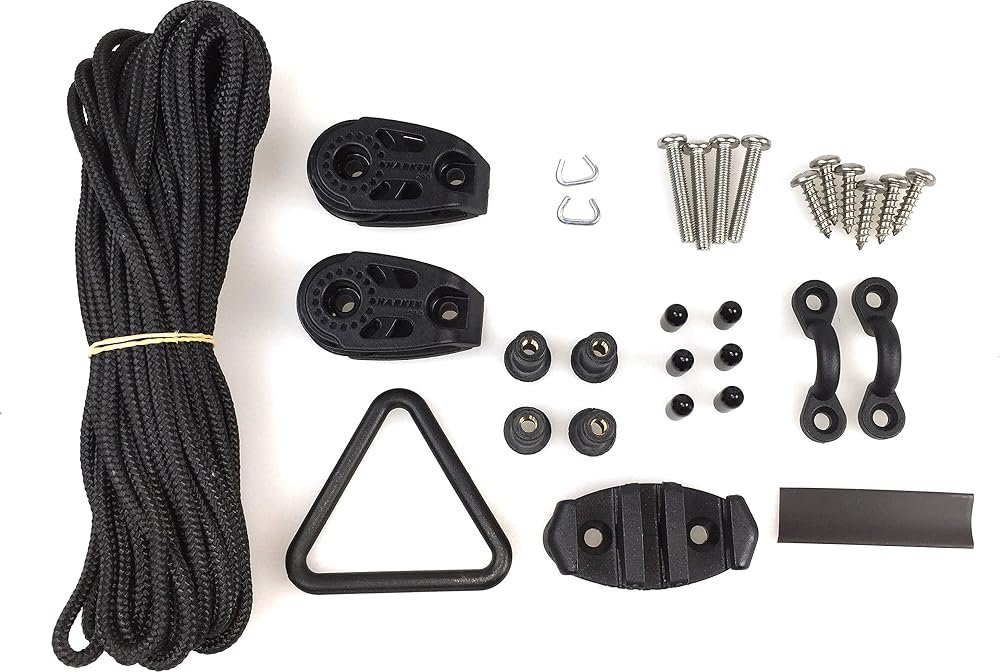
    A kit like the YakGear Anchor Trolley Complete Kit includes everything needed — pulleys, cleats, line and hardware — and mounts to most kayak hulls in under an hour with basic tools.

    Pair it with a lightweight anchor sized for your kayak — see our anchor buying guide, or get in touch for fitting advice specific to your kayak.

  • Best Waterproof VHF Radio for Kayak Fishing

    Best Waterproof VHF Radio for Kayak Fishing

    best waterproof VHF radio for kayak fishing

    Kayak anglers fishing beyond the surf line have real reasons to carry a VHF that a car angler doesn’t — no engine, lower profile in the water, and often further from immediate help. Here’s what to look for.

    Floating and waterproof are non-negotiable

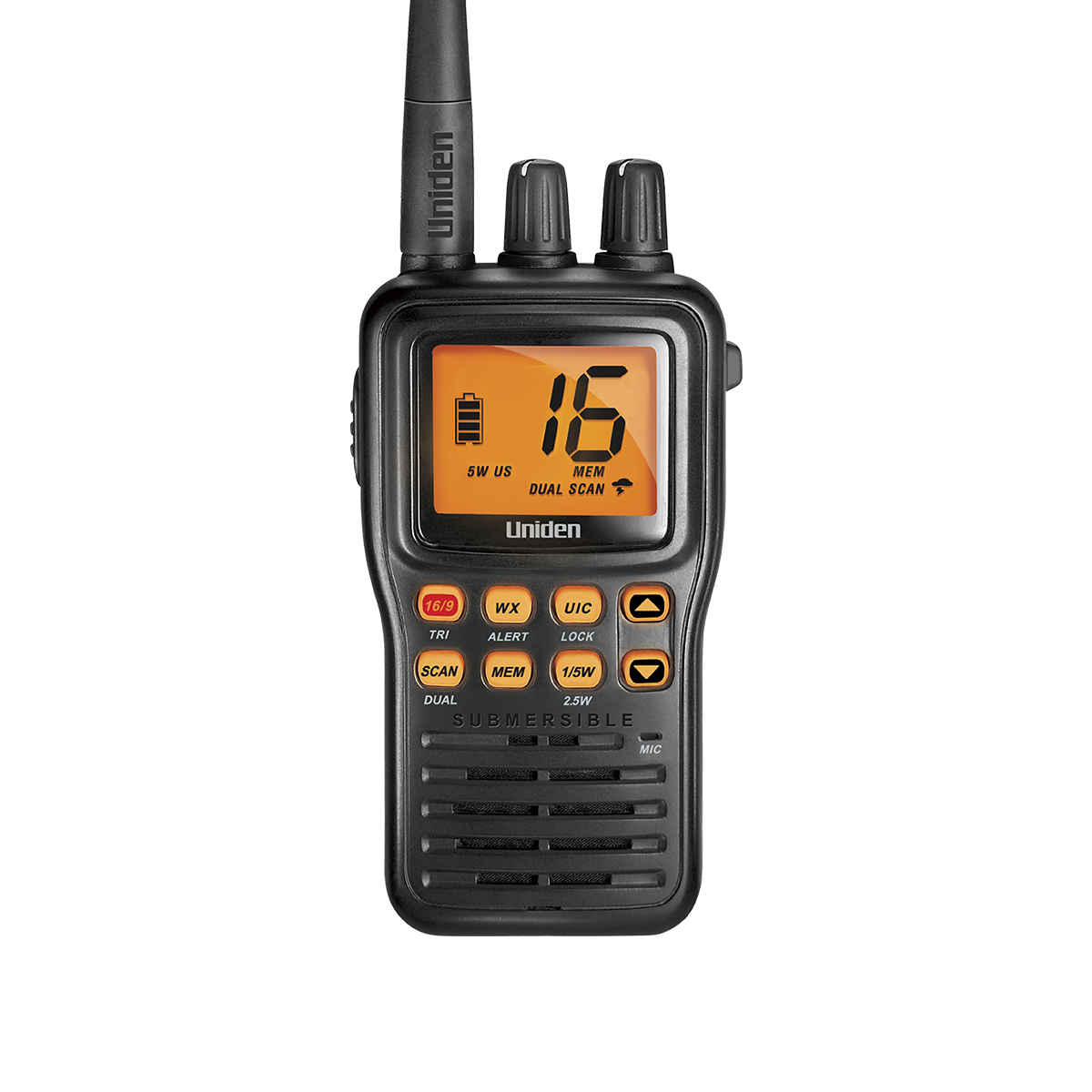
    A capsize or dropped radio shouldn’t mean losing your only means of calling for help. Both the Cobra MR HH600 FLT BT and Uniden MHS75 float and are fully submersible — genuinely tested features, not just marketing claims.

    Size and one-handed operation

    You’ll often be operating a VHF one-handed while managing a paddle or rod with the other — look for large, glove-friendly buttons and a compact size that fits a PFD pocket without snagging.

    Battery life

    A full-day kayak session with no shore access to recharge means battery life matters more than it does for boat anglers who can run off the house battery. Check the rated hours on standby vs active transmission before you buy.

    See our full VHF radio buying guide, or get in touch with questions about kayak-specific mounting.

  • How to Install a Fish Finder: Step-by-Step Guide

    How to Install a Fish Finder: Step-by-Step Guide

    how to install a fish finder step by step guide

    Installing a fish finder yourself saves on fitting costs and isn’t as daunting as it looks. Here’s the process broken into clear steps.

    1. Plan the mounting position

    Choose a spot that’s visible from the helm, protected from spray where possible, and has clear access behind the console for cabling. Check swing clearance for any hinged panels or hatches nearby.

    2. Mount the transducer

    Transom-mount transducers need to sit level with the hull bottom, clear of propeller wash and any turbulence sources like strakes or through-hull fittings. Follow the manufacturer’s positioning diagram closely — a poorly placed transducer is the most common cause of noisy or unreliable readings.

    3. Run and secure the cabling

    Keep transducer and power cables away from other electrical wiring where possible to reduce interference, and secure every few inches to prevent chafe. Leave a small service loop at both ends.

    4. Power and network connection

    Wire power through a dedicated fuse, and if you’re networking multiple devices, a marine network switch keeps everything talking cleanly on one NMEA 2000 backbone rather than daisy-chaining devices.

    5. Test before you seal anything up

    Power on and confirm sonar returns and GPS lock before finishing any panel work or sealant — much easier to fix a placement issue now than after everything’s buttoned up. Not confident doing it yourself? get in touch and we can talk you through your specific setup.

  • Garmin vs Lowrance vs Humminbird: Which Brand Is Best for UK Anglers?

    Garmin vs Lowrance vs Humminbird: Which Brand Is Best for UK Anglers?

    Garmin vs Lowrance vs Humminbird which brand is best

    There’s no objectively “best” brand among Garmin, Lowrance and Humminbird — all three are genuine, well-supported manufacturers. The right pick usually comes down to ecosystem fit rather than any single spec sheet.

    Garmin

    The broadest ecosystem — chartplotters, autopilot, radar, engine monitoring and LiveScope sonar all talk to each other natively. Best if you want one brand handling your whole boat’s electronics long-term.

    Lowrance

    Part of the wider Simrad/B&G family, so it integrates well if you’re already running B&G autopilot or Simrad radar. SolarMAX HD screens are excellent in bright sun, and ActiveTarget live sonar has a strong following among competitive bass anglers.

    Humminbird

    Owned by the same parent company as Minn Kota, so Humminbird sonar and Minn Kota trolling motors (particularly with i-Pilot Link) integrate especially well. A strong choice if Minn Kota is your trolling motor of choice.

    Our advice

    Look at what you already own or plan to add — trolling motor, autopilot, radar — and pick the brand that shares an ecosystem with it. Starting from scratch with no strong preference? Ask us and we’ll talk through the trade-offs for your specific boat.

  • Best Marine GPS for Small Boats & Dinghies

    Best Marine GPS for Small Boats & Dinghies

    best marine GPS for small boats and dinghies

    A small boat or dinghy doesn’t need — or often have room for — a full-size flagship chartplotter. Here’s what actually fits and works well on smaller craft.

    Compact fixed-mount units

    A 5-7 inch chartplotter is plenty for most dinghies and small RIBs, giving you charts and basic sonar without eating console space or budget. Pair it with a simple transom-mount transducer and you’ve covered the essentials.

    Handheld units — the flexible option

    The Garmin GPSMAP 86sc is a genuinely clever option for small boats — no permanent installation needed, fully waterproof and floating, and it moves with you if you switch boats or want it as a backup on a bigger vessel too.

    Our recommendation

    If your dinghy is a tender or occasional-use boat, go handheld — it’s flexible and needs no wiring. If it’s your primary small boat and you want a permanent, always-ready display, a compact fixed-mount unit is the better long-term choice. See our Best Marine GPS Under £500 guide for specific picks, or ask us what fits your boat.