Author: Admin

  • Trolling Motor Buying Guide: Bow Mount vs Transom Mount

    Trolling Motor Buying Guide: Bow Mount vs Transom Mount

    trolling motor buying guide bow mount vs transom mount

    The bow mount vs transom mount question comes up constantly, and the honest answer is that they’re built for different jobs rather than one being universally “better.”

    Bow mount

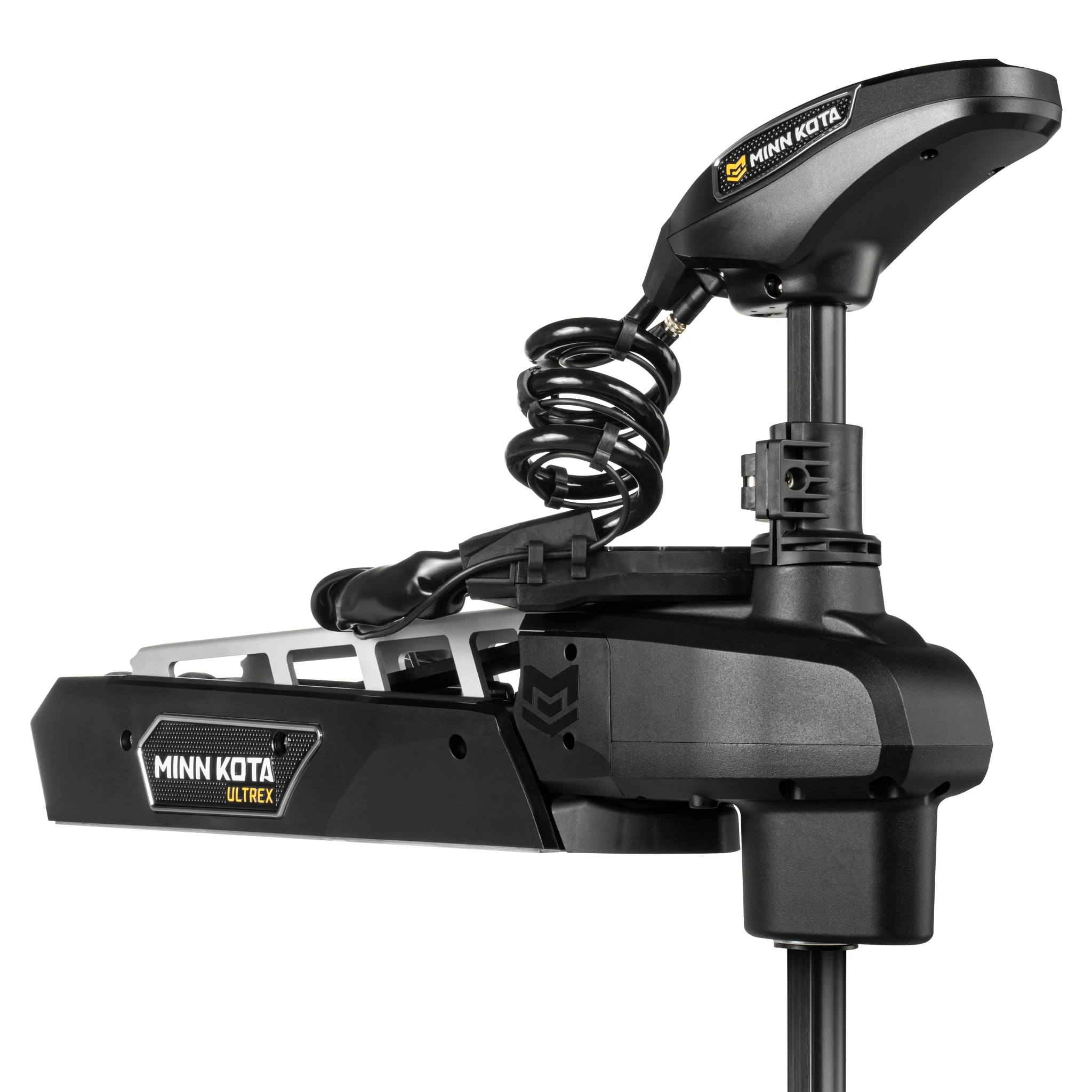
    Mounted at the front of the boat and steered independently of the outboard, bow mount motors like the Minn Kota Ultrex Quest give far better boat control for precision work — following contour lines, holding position against wind, and GPS Spot-Lock anchoring. This is the standard choice for serious bass and inshore fishing boats.

    Transom mount

    Mounted at the back alongside or instead of the outboard, transom mount motors like the Minn Kota Endura Max are simpler, more affordable, and ideal for smaller boats, jon boats and dinghies where a bow mount isn’t practical or necessary.

    Which should you buy?

    • Choose bow mount if: you fish seriously, want GPS features, or need precise boat control while fishing
    • Choose transom mount if: you have a smaller boat, a tighter budget, or mainly need simple point-to-point propulsion

    See our full Best Trolling Motor UK guide, or get in touch and tell us your boat size — we’ll point you to the right mount type.
  • Best Gifts for Boat Owners & Anglers 2026

    Best Gifts for Boat Owners & Anglers 2026

    best gifts for boat owners and anglers

    Buying for an angler or boat owner is easier than it looks once you know what’s genuinely useful rather than just novelty. Here’s our pick across a few price points.

    Under £100

    A pair of quality titanium fishing pliers or a safety light get used every single trip — genuinely practical rather than a drawer-filler.

    £100-£300

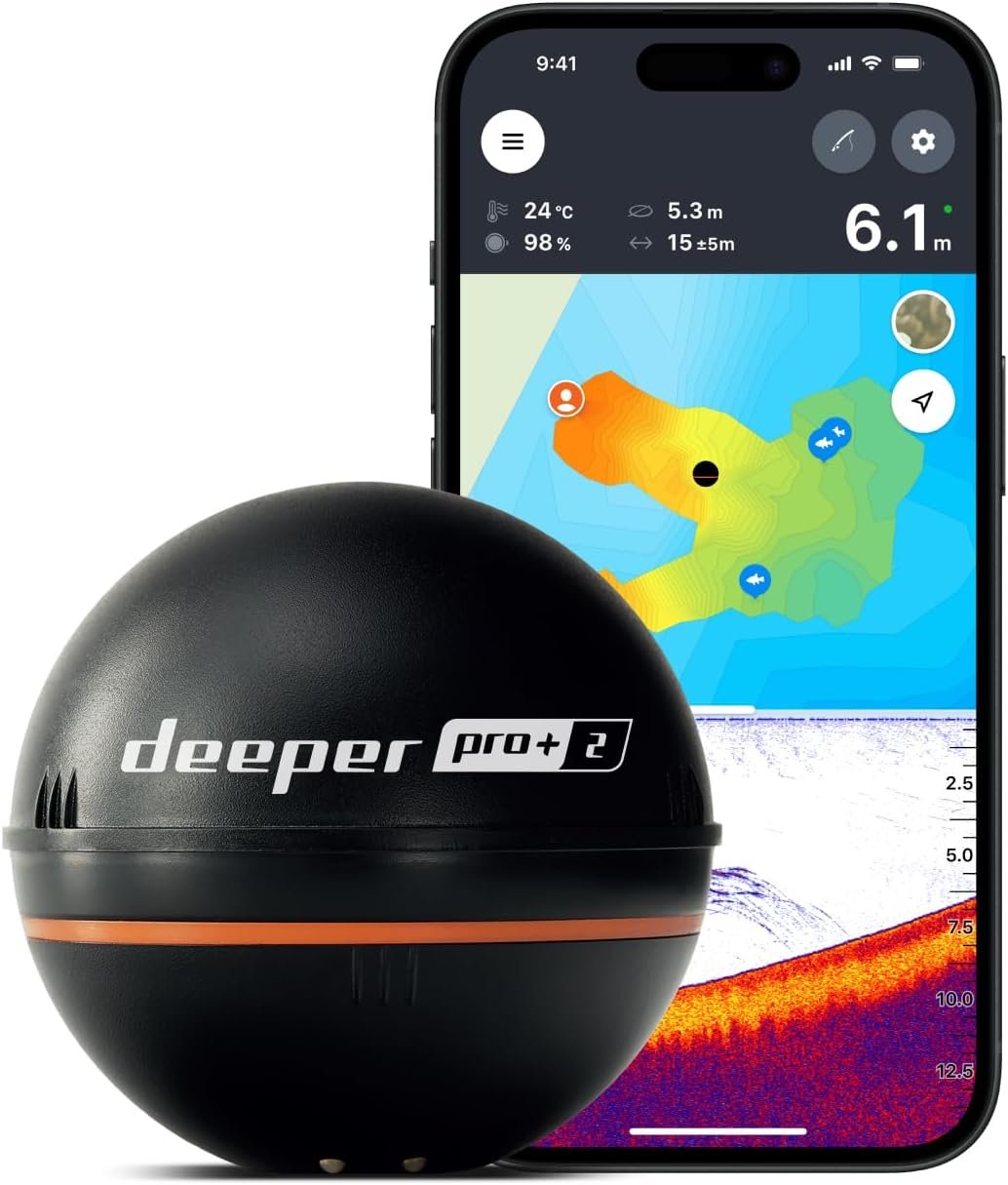
    The Deeper PRO+ 2 castable sonar is a brilliant gift for shore or kayak anglers who don’t have a boat-mounted fish finder — casts out, streams to a phone, no installation needed at all.

    £300+

    A handheld VHF radio or a genuine upgrade to their existing fish finder setup makes a serious, memorable gift for the boat owner who has most of the basics covered already.

    Not sure what they already own? Get in touch and we’ll help you avoid buying a duplicate. Browse the full shop for more ideas.

  • How Much Does a Boat Electronics Setup Cost? UK Price Guide 2026

    How Much Does a Boat Electronics Setup Cost? UK Price Guide 2026

    boat electronics setup cost UK price guide

    One of the most common questions we get is simply “what’s this going to cost me?” Here’s a realistic breakdown across three budget tiers.

    TierChartplotter/Fish FinderTrolling MotorVHFTypical Total
    Budget£300-£500£400-£800 (or none)£80-£150£500-£1,500
    Mid-range£800-£2,000£1,500-£2,500£150-£300£2,500-£5,000
    Premium/tournament£3,000-£6,000+£2,500-£3,500£300-£500£6,000-£10,000+

    Where to spend first

    If budget is tight, prioritise a reliable fish finder/chartplotter combo over a premium trolling motor — you can upgrade the motor later without touching the wiring you’ve already run for the display. See our full price breakdown by category or browse the shop directly.

    Working to a specific budget? Tell us your number and we’ll suggest the best combination of genuine gear for it.

  • Best Marine Electronics for Sea Fishing & Offshore Anglers

    Best Marine Electronics for Sea Fishing & Offshore Anglers

    best marine electronics for sea fishing offshore anglers

    Offshore and sea fishing put a premium on reliability and safety rather than the sonar sophistication that inshore bass fishing chases. Here’s the priority order we’d recommend.

    1. A reliable chartplotter with AIS

    Knowing where commercial traffic is matters offshore in a way it rarely does inshore. A chartplotter with AIS overlay isn’t a luxury out past the harbour — see our Best Chartplotter for UK & European Waters guide.

    2. Fixed-mount VHF, plus a handheld backup

    A fixed VHF with DSC is your primary means of raising the coastguard offshore. A handheld backup, ideally floating and waterproof, covers you if you have to abandon ship or the fixed unit fails. See our Fixed vs Handheld VHF guide.

    3. A personal locator beacon

    If you regularly fish beyond VHF range or in exposed water, a PLB is genuinely cheap insurance against the worst-case scenario. See our Best PLB guide.

    Building an offshore-ready setup? Get in touch — we’ll help make sure nothing important gets missed.

  • Best Marine Electronics for Bass Fishing UK

    Best Marine Electronics for Bass Fishing UK

    best marine electronics for bass fishing UK

    Bass fishing has driven more marine electronics innovation than any other discipline in the last five years — forward-facing sonar in particular was built with bass anglers in mind. Here’s what’s actually worth investing in.

    1. Forward-facing live sonar

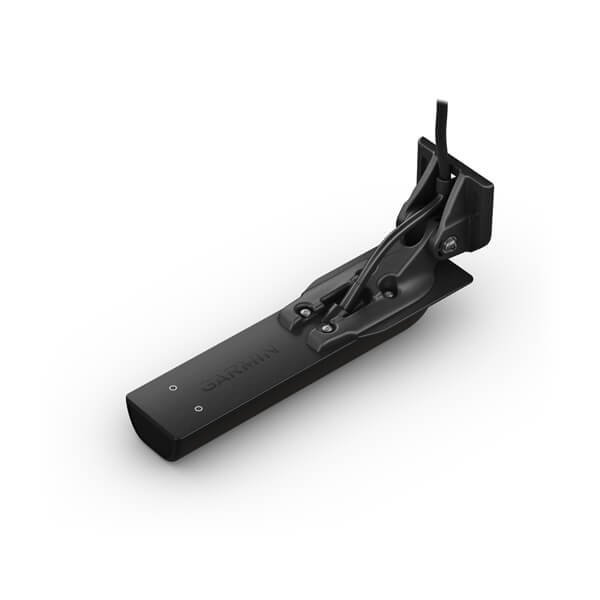
    Garmin LiveScope, Humminbird MEGA Live and Lowrance ActiveTarget have genuinely changed how competitive bass anglers fish — watching a bass react to your lure in real time is a different game entirely. If you fish competitively or want to close the gap fastest, this is the single highest-impact upgrade. See our Best Live Sonar System comparison for the full breakdown.

    2. A GPS trolling motor with Spot-Lock

    Holding position on a spot without dropping anchor is essential for working structure thoroughly. The Minn Kota Ultrex Quest range with Spot-Lock is the standard here.

    3. A capable chartplotter/sonar combo

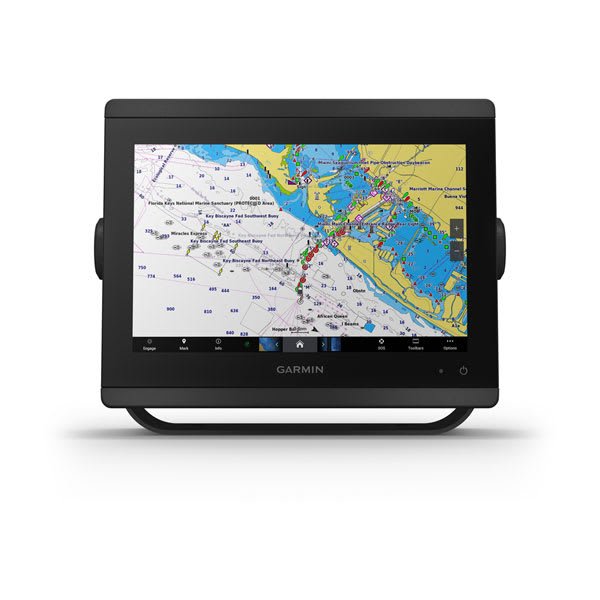
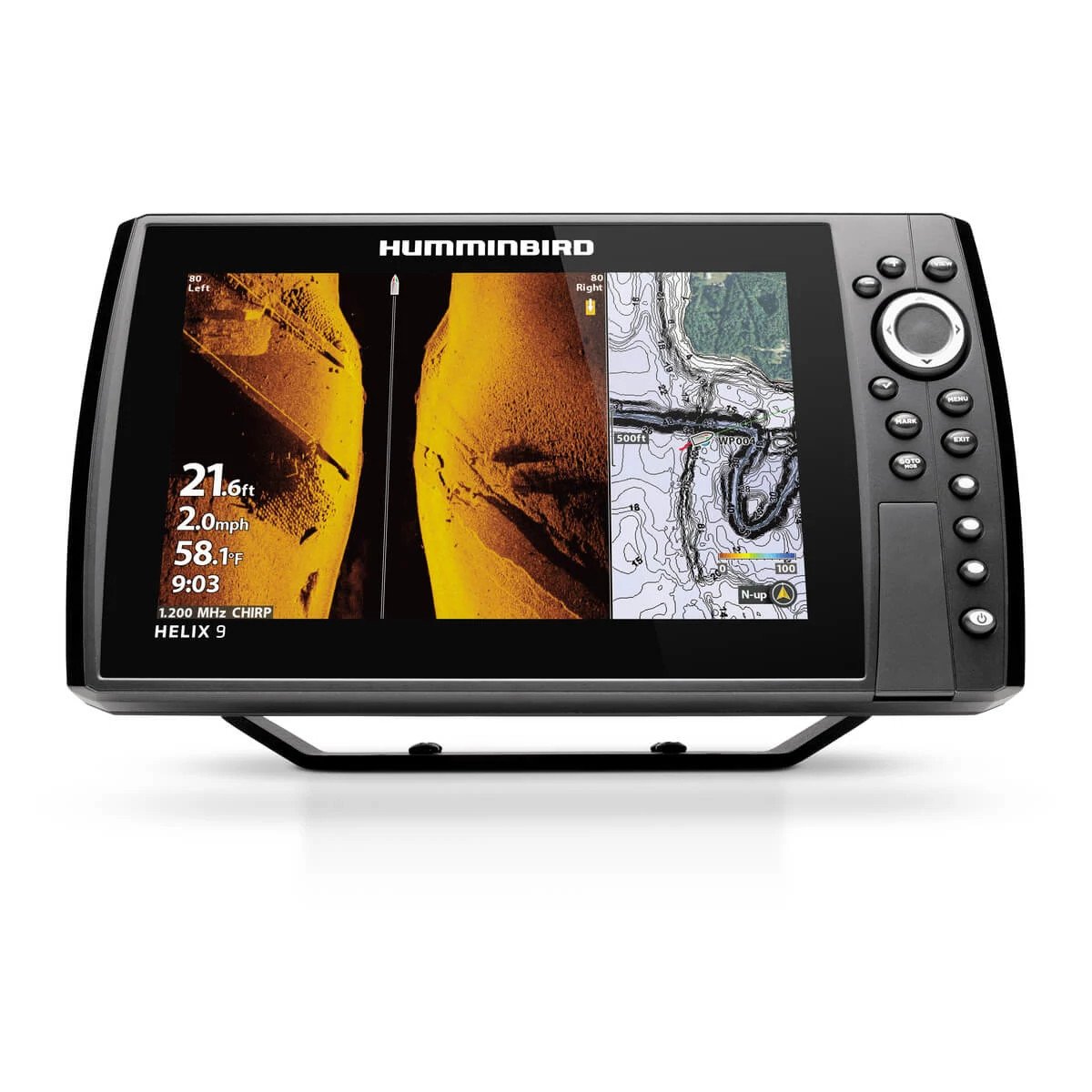
    CHIRP, side imaging and down imaging together let you locate structure fast before committing to forward-facing sonar for the close-in work. A 9-inch unit is the practical minimum for reading detail while running multiple sonar views.

    Building a full setup from scratch? Get in touch and we’ll help you prioritise spend across sonar, GPS and trolling motor based on your budget.

  • CHIRP vs Side Imaging vs Down Imaging: Sonar Technology Explained

    CHIRP vs Side Imaging vs Down Imaging: Sonar Technology Explained

    CHIRP vs side imaging vs down imaging sonar technology

    These three terms get thrown around constantly in fish finder marketing, and they genuinely do different things. Here’s what each shows you and when to use it.

    CHIRP (traditional) sonar

    CHIRP sends a sweep of frequencies rather than a single pulse, giving sharper target separation than older sonar. It shows a vertical slice of water directly beneath the boat — this is what gives you the classic “fish arch” and bottom hardness reading. It’s the best mode for tracking fish depth in real time while moving.

    Down imaging

    Down imaging uses a different frequency to produce a near-photographic picture of what’s directly under the boat — you can often make out individual fish, wood cover and rock piles far more clearly than on CHIRP. It’s slightly slower to interpret fish depth from, so most anglers run it alongside CHIRP rather than instead of it.

    Side imaging

    Side imaging scans out to either side of the boat rather than beneath it — brilliant for covering water quickly to locate structure, schools and drop-offs before you fish them. Think of it as a search tool, then switch to CHIRP or down imaging once you’ve found something worth stopping for.

    Which do you actually need?

    Most mid-range and above fish finders today include all three in one unit, so it’s less about choosing and more about learning to switch between them for the situation. Browse our full fish finder range or get in touch if you want help matching sonar features to how you fish.

  • How to Choose a Fish Finder: Beginner’s Complete Guide

    How to Choose a Fish Finder: Beginner’s Complete Guide

    how to choose a fish finder beginners guide

    Walking into fish finder shopping cold is genuinely confusing — screen sizes, sonar types and acronyms everywhere. Here’s what actually matters when choosing your first unit.

    1. Screen size

    Bigger isn’t always better — it’s about your boat and budget. A 5-7 inch screen suits kayaks and small boats. 9 inches is the sweet spot for most trailer boats. 12 inches and up make sense once you’re running split-screen views or forward-facing sonar regularly.

    2. Sonar type

    • CHIRP (traditional) sonar — shows fish arches and bottom structure directly below the boat
    • Down imaging — near-photographic detail directly beneath you, great for identifying structure
    • Side imaging — scans wide to either side, excellent for covering water quickly to find structure and schools

    3. Do you need GPS?

    If you want to mark waypoints, navigate home in poor visibility, or eventually add charts, get a GPS-equipped unit from the start — retrofitting later means buying a new unit rather than adding a module.

    4. Budget guide

    For a realistic starting budget, see our Best Marine GPS Under £500 guide. Ready to compare our full range? Browse fish finders in the shop, or ask us directly — tell us your boat and budget and we’ll point you to the right unit.

  • Garmin Quick Release Mount Guide: Which Mount Fits Your Chartplotter?

    Garmin Quick Release Mount Guide: Which Mount Fits Your Chartplotter?

    Garmin quick release mount kit for chartplotter

    If you trailer your boat, fish from more than one vessel, or just want to bring your chartplotter inside overnight, a quick release mount is one of the most useful small upgrades you can make. Here’s how to pick the right one.

    How quick release mounts work

    The Garmin Quick Release Mount Kit uses a two-part system — a base plate that stays permanently fixed to the boat, and a cradle attached to your chartplotter that clicks in and out with one hand. No tools needed after the initial install.

    Checking compatibility

    Garmin mounts are generally matched to a screen size range rather than one specific model, but always check your exact chartplotter model against the listing before buying — mounting patterns differ between the GPSMAP and ECHOMAP ranges, and between older and newer generations of each.

    Who this is genuinely useful for

    • Trailer boat owners who don’t want an expensive display sitting exposed at the marina
    • Anglers who fish from more than one boat and want to move their electronics between them
    • Anyone who wants to bring the unit inside during winter storage without unscrewing anything

    Not sure if a quick release mount fits your specific chartplotter? Get in touch with your model number and we’ll confirm before you order.

  • Best On-Board Marine Battery Charger: NOCO vs Minn Kota MK-110PC

    Best On-Board Marine Battery Charger: NOCO vs Minn Kota MK-110PC

    best on-board marine battery charger NOCO vs Minn Kota MK-110PC

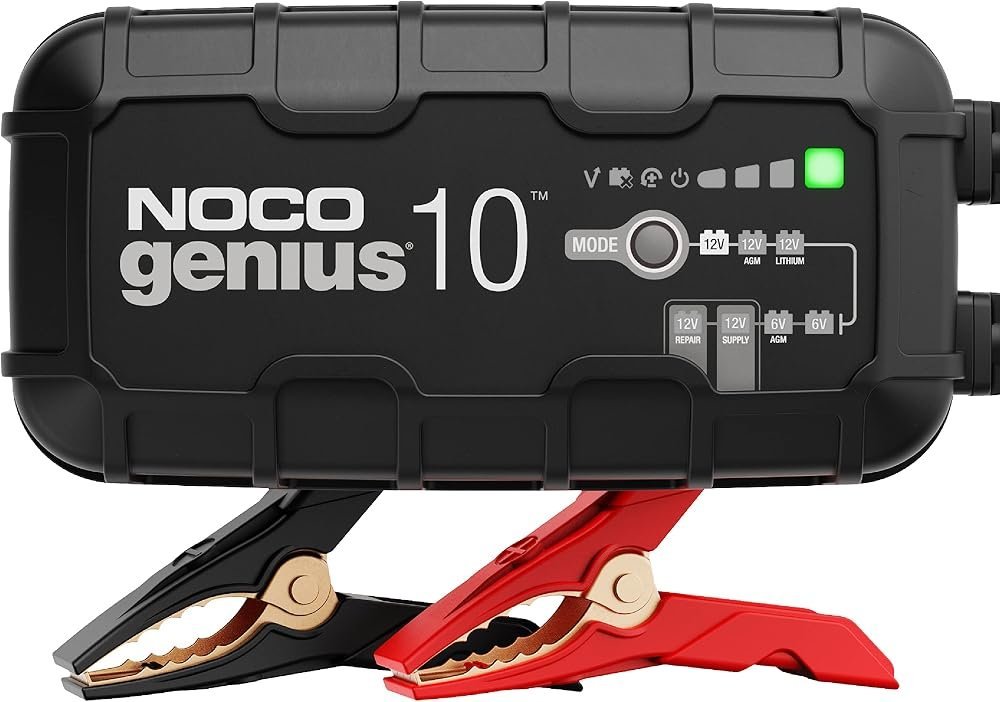
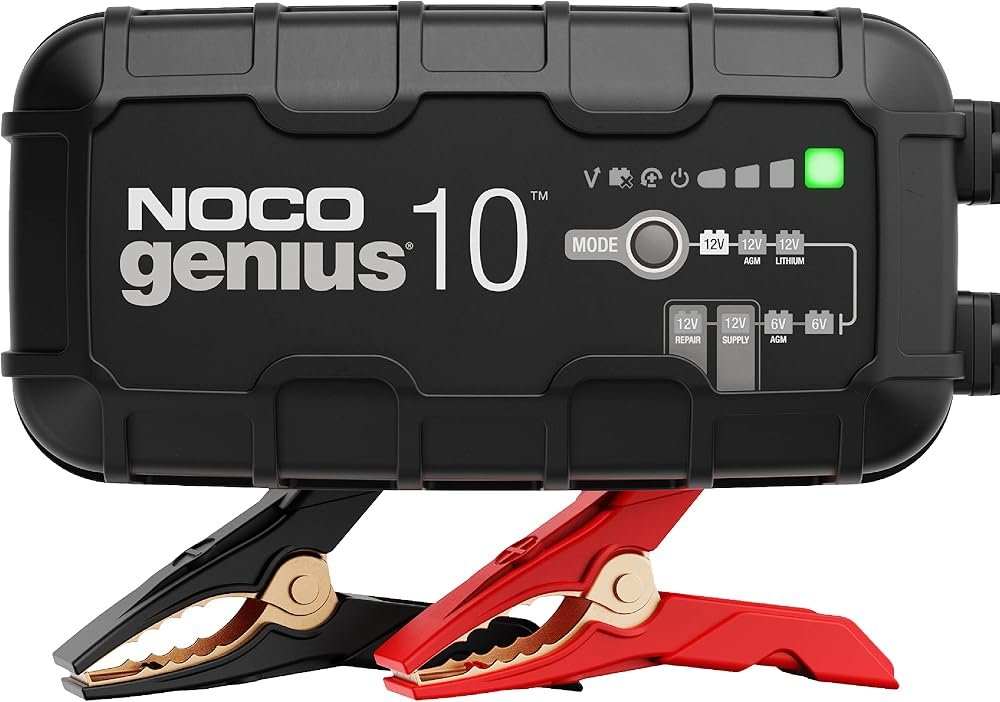
    An on-board charger you can leave permanently wired in is one of the easiest upgrades for keeping a battery bank healthy. The two most common picks we sell are the NOCO Genius 10 and the Minn Kota MK-110PC — here’s how they differ.

    Compatibility

    Both chargers handle AGM, gel, flooded and lithium batteries with the correct charge profile selected — important, since charging lithium on a lead-acid profile can shorten its lifespan. The NOCO Genius 10 is slightly more flexible for mixed battery banks (it’s widely used outside marine applications too, including cars and motorcycles), while the Minn Kota MK-110PC is purpose-built for the marine/trolling motor market and integrates neatly if you’re already running Minn Kota gear.

    Charge speed and single-bank use

    Both are 10-amp single-bank units in this comparison, fully automatic 3-stage chargers that won’t overcharge if left connected long-term. Neither will fast-charge a large bank overnight from flat — for that you’d want a higher-amperage or multi-bank unit.

    Our recommendation

    If your battery bank is exclusively for a Minn Kota trolling motor, the MK-110PC is the tidier, purpose-matched choice. If you want a charger that’ll also work across other batteries in your life — car, van, motorbike — the NOCO Genius is the more versatile buy. Both are genuine stock with manufacturer warranty and UK & Europe delivery.

  • Battle Born vs Dakota Lithium: Best Lithium Marine Battery Compared

    Battle Born vs Dakota Lithium: Best Lithium Marine Battery Compared

    Battle Born vs Dakota Lithium best lithium marine battery

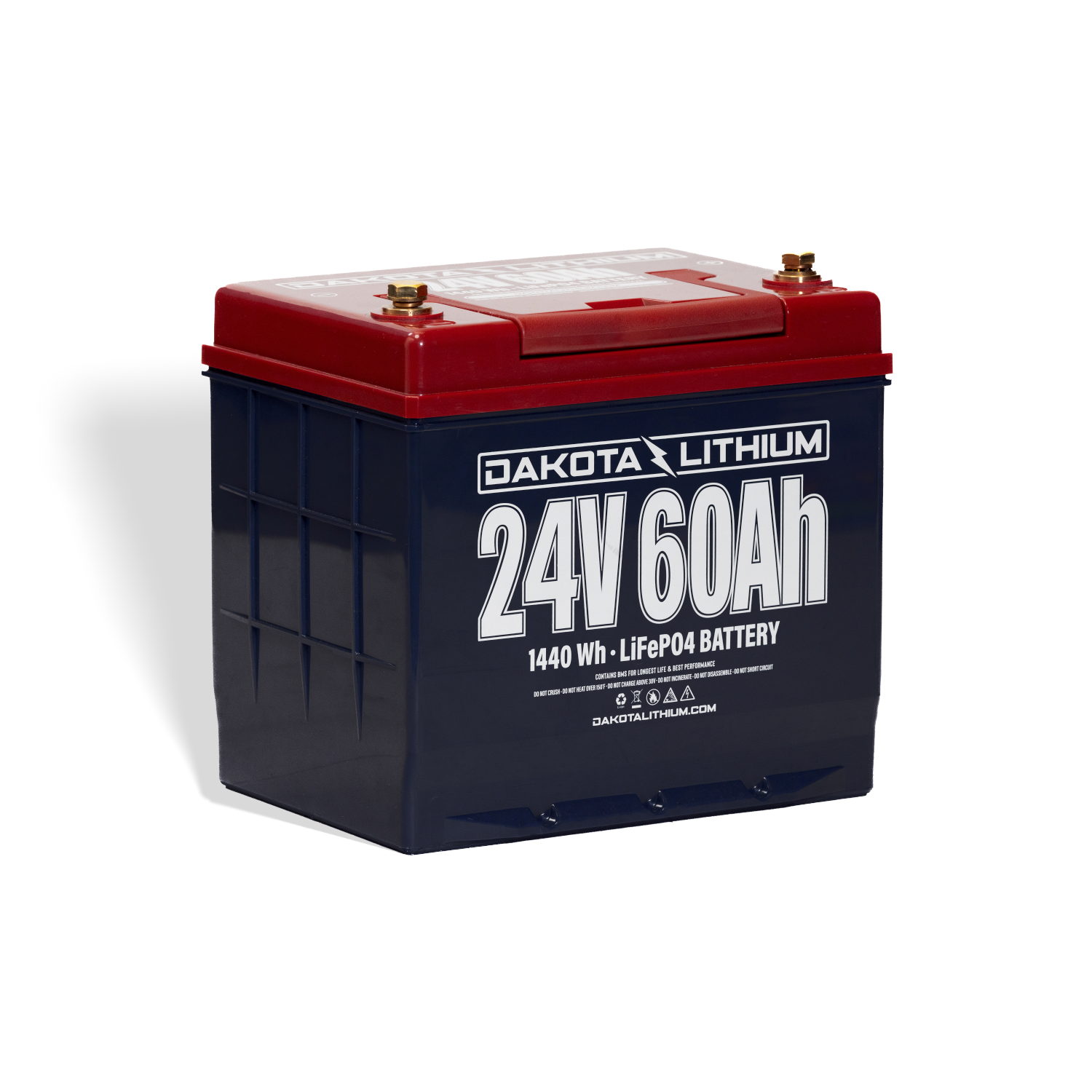
    Battle Born and Dakota Lithium are two of the most trusted names in marine LiFePO4 batteries, and both show up constantly in angler forums. Here’s how the two actually compare if you’re choosing between them.

    Battle Born BB10012Dakota Lithium 100Ah
    Capacity100Ah100Ah
    ChemistryLiFePO4LiFePO4
    PositioningPremium, US-madeValue-focused, strong warranty
    Best forBuyers prioritising brand pedigree and BMS sophisticationBuyers wanting the lowest cost per Ah in lithium

    Price vs performance

    Dakota Lithium generally undercuts Battle Born on price for equivalent capacity while still offering a genuinely strong warranty. Battle Born commands a premium — you’re paying for one of the most established names in the marine lithium space and a battery management system with an excellent long-term reliability record.

    Our take

    Both are a significant upgrade over AGM in weight and cycle life. If budget is the deciding factor, the Dakota Lithium 100Ah is excellent value. If you want the most established premium option, the Battle Born BB10012 is a safe, proven choice. Both are genuine stock with full manufacturer warranty and UK & Europe delivery.