Author: Admin

  • Trolling Motor Wiring 101: Wiring Kits, Breakers & Battery Setup Explained

    Trolling Motor Wiring 101: Wiring Kits, Breakers & Battery Setup Explained

    trolling motor wiring kit circuit breaker battery setup

    Wiring a trolling motor puts a lot of people off doing their own install, but the parts list is short and the logic is straightforward once it’s laid out. Here’s what you actually need and why.

    The three things every install needs

    • Heavy-gauge cable — undersized cable causes voltage drop, which shows up as reduced thrust and shorter run time
    • A circuit breaker — protects the cable run and doubles as a manual on/off switch at the battery
    • A quick-connect plug — lets you unplug the motor without touching wiring, useful for winter storage or swapping motors

    Why the circuit breaker matters

    A breaker like the Blue Sea Systems 285-Series 50A Circuit Breaker isn’t optional extra — it’s what protects your boat’s wiring if the motor jams or shorts. It also acts as your main disconnect switch, so you’re not fumbling for battery terminals every time you want to isolate the motor.

    Pre-made kits vs building your own

    A complete kit like the Minn Kota MKR-19 Wiring Kit bundles correctly-sized cable, connector and breaker together, sized specifically for Minn Kota motors — the simplest route for most installs. Building your own from separate parts only makes sense if you have an unusual cable run length or are integrating with an existing battery switch panel.

    Not sure what size cable or breaker your motor needs? Get in touch with your motor’s amp draw and we’ll point you to the right kit.
  • Best Marine Heading Sensor: Do You Need One?

    Best Marine Heading Sensor: Do You Need One?

    Garmin SteadyCast marine heading sensor

    A heading sensor is one of those accessories most boaters don’t know they need until they’ve fished slow-trolled water or anchored in current — then it becomes obvious. Here’s what it actually fixes.

    The problem it solves

    Your chartplotter’s default “heading” is usually calculated from GPS movement — which works fine at speed, but becomes unreliable or jumps around when you’re moving slowly, drifting, or sitting still at anchor. A dedicated heading sensor like the Garmin SteadyCast Heading Sensor uses a solid-state compass instead, so it reports accurate heading regardless of speed — including at a dead stop.

    Who actually benefits

    Installation

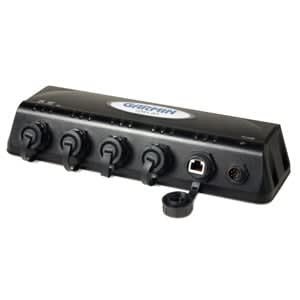
    It’s a simple NMEA 2000 network device — connect it to your existing network backbone and it just shows up as a data source your chartplotter can use. No special mounting requirements beyond keeping it away from major magnetic interference (large speakers, big metal fuel tanks).

    If you don’t run an autopilot and rarely drift or slow-troll, you likely won’t notice the difference. If either of those applies to you, it’s a genuinely worthwhile upgrade. Get in touch if you’re not sure whether your chartplotter supports it.

  • New vs Used Marine Electronics: Is Buying Refurbished Worth It?

    New vs Used Marine Electronics: Is Buying Refurbished Worth It?

    new vs used marine electronics refurbished chartplotter

    New marine electronics hold their price for a reason — but buying used marine electronics from a specialist retailer can cut hundreds off a purchase without cutting corners on reliability, if it’s done properly. Here’s exactly what “used” means when you buy from us.

    What our inspection actually covers

    • Full power-on test — display, touchscreen and physical controls
    • Sonar and GPS function verified against a known-good signal
    • Networking ports and cabling checked
    • Cosmetic condition graded honestly in the listing

    What’s covered by warranty

    Every used unit we sell carries our 90-day used-goods warranty, separate from the manufacturer’s original warranty (which typically doesn’t transfer to a second owner). If a unit develops a genuine fault within that window, we sort it — full details on our warranty page.

    When used makes sense — and when it doesn’t

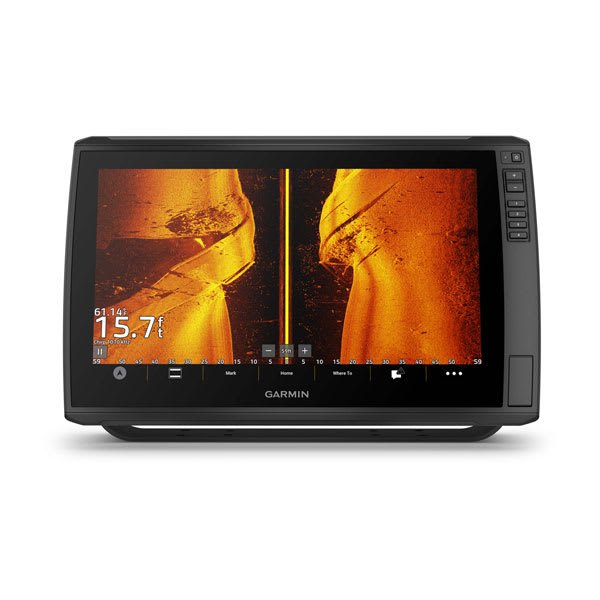
    Used is a great fit for a second station, a budget-conscious first chartplotter, or high-value items like 12-inch and 16-inch displays where the new-vs-used price gap is largest — see our used Garmin ECHOMAP Ultra 2 126sv and Lowrance HDS PRO 16 head unit. If you need the absolute latest sonar generation (like LiveScope 2) or want the longest possible warranty runway, new is the better call.

    Questions about a specific used listing’s condition? Get in touch before you buy — we’re happy to send extra detail.

  • Minn Kota Ultrex Quest 90/115 Review: Is the Flagship Trolling Motor Worth It?

    Minn Kota Ultrex Quest 90/115 Review: Is the Flagship Trolling Motor Worth It?

    Minn Kota Ultrex Quest 90/115 Spot-Lock trolling motor review

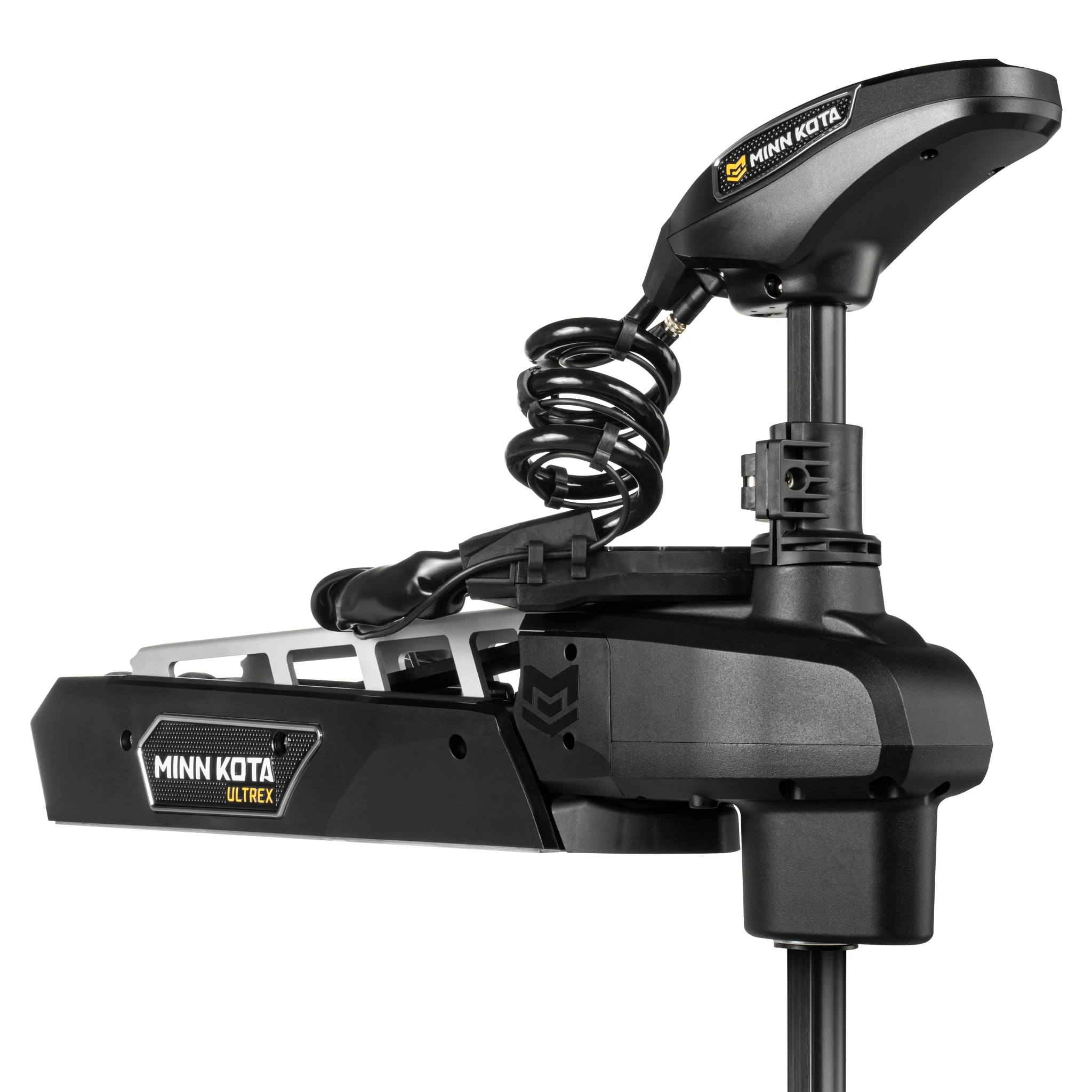
    The Minn Kota Ultrex Quest 90/115 sits at the top of Minn Kota’s Quest range, and the spec sheet is genuinely different from the standard 80lb Quest models — not just a thrust bump. We’ve gone through what the extra investment actually buys you.

    Dual voltage is the headline feature

    Wire it for 24V and you get 90lb of thrust; wire it for 36V and it jumps to 115lb — the same motor, different battery bank. That flexibility matters if you’re not sure yet how big your battery bank will end up, or if you fish two different boats with different electrical setups.

    Built-in sonar and Spot-Lock

    Dual Spectrum CHIRP sonar is pre-installed in the motor head, so you get a second sonar source at the bow without running a separate transducer. GPS Spot-Lock holds position without touching the motor — genuinely useful when working a spot in current or wind, and it’s noticeably more precise than the entry-level Ultrex models in our testing.

    Who should buy it

    • Anglers upgrading from an older Terrova or basic Ultrex who want the latest GPS accuracy
    • Anyone not yet committed to a 24V or 36V battery bank
    • Tournament and serious weekend anglers who rely on Spot-Lock daily

    If you mostly troll and rarely use GPS anchoring features, the standard 80lb Quest models remain excellent value and will save you money. See the full Minn Kota Ultrex Quest 90/115 Spot-Lock Trolling Motor, genuine stock with UK & Europe delivery and full manufacturer warranty.

  • Best 16-Inch Chartplotter UK 2026: GPSMAP 8616 vs HDS Pro 16

    Best 16-Inch Chartplotter UK 2026: GPSMAP 8616 vs HDS Pro 16

    best 16 inch chartplotter UK Garmin GPSMAP 8616 vs Lowrance HDS Pro 16

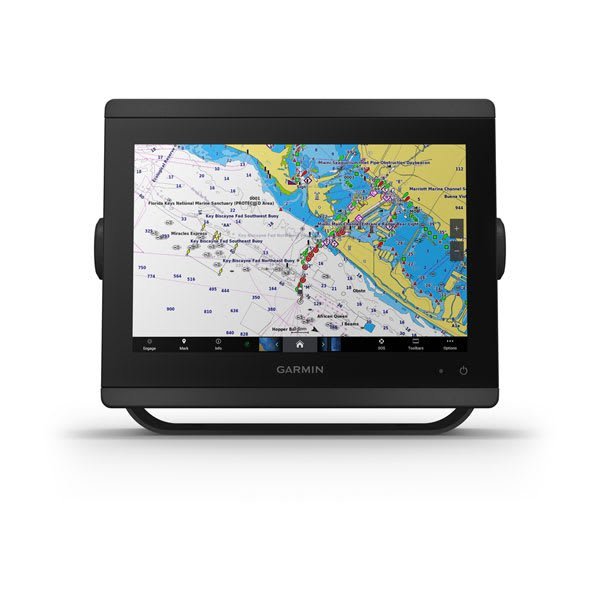
    A 16-inch screen at the helm changes how you fish and navigate — more chart detail, room for split-screen sonar and radar, and genuinely easier reading from a distance. The two mainstream options in this size are the Garmin GPSMAP 8616 GN+ and the Lowrance HDS PRO 16. Here’s how they stack up.

    Display-only vs bundled sonar

    Both are available as a display-only “head unit” (no transducer), which suits anyone adding a second station or already running a black box sonar system elsewhere on the boat. Our Garmin GPSMAP 8616 GN+ 16-Inch Display Unit and the used Lowrance HDS PRO 16 head unit are both popular choices for exactly this reason — the used HDS PRO 16 in particular is a strong budget route into a 16-inch screen.

    Networking and ecosystem

    At this size, these displays are almost always the hub of a wider network — radar, autopilot, engine data, and multiple sonar sources. Garmin’s network is deep and mature; Lowrance’s ties into the wider Simrad/B&G ecosystem, which matters if you’re running B&G autopilot or Simrad radar elsewhere.

    Budget tip

    Buying a 16-inch display new is a serious investment. A professionally inspected used head unit — like our HDS PRO 16 — can save you well over £1,000 versus new, with the same 90-day used-goods warranty as our other refurbished stock. Worth considering if this is a second station rather than your primary helm display.

    Not sure which fits your network? Get in touch — we’re happy to talk through compatibility before you buy.

  • Humminbird MEGA Live 2 vs Garmin LiveScope 2: Which Live Sonar Wins in 2026?

    Humminbird MEGA Live 2 vs Garmin LiveScope 2: Which Live Sonar Wins in 2026?

    Humminbird MEGA Live 2 vs Garmin LiveScope 2 forward facing sonar

    Both Humminbird and Garmin refreshed their flagship live sonar in the past year, and the upgrades are real — not just a resolution bump on the box. If you’re deciding between Humminbird MEGA Live 2 and Garmin LiveScope 2, here’s what’s actually changed and which suits which angler.

    What’s new in each generation

    • Garmin LiveScope 2 (LVS42HD) — up to 50% more image detail at close range than the original LiveScope, castable to 125ft, and connects directly to compatible MFDs with no separate GLS 10 black box required.
    • Humminbird MEGA Live 2 — sharper target definition and improved range performance over the original MEGA Live, still requiring the MEGA Live black box for most installs.

    Installation

    This is where LiveScope 2 pulls ahead for anyone doing a fresh install — dropping the black box means less wiring, less mounting space needed, and a tidier console. If you’re upgrading an existing Humminbird MEGA Live system, sticking with Humminbird avoids buying a whole new ecosystem.

    Image quality in practice

    Both systems produce genuinely usable, near-video-quality images of fish and structure in real time. Garmin’s improvements are most noticeable at close range (under 30ft), which matters for finesse fishing around cover. Humminbird’s gains show up more in target separation at mid-range, useful when working a school of fish.

    Our recommendation

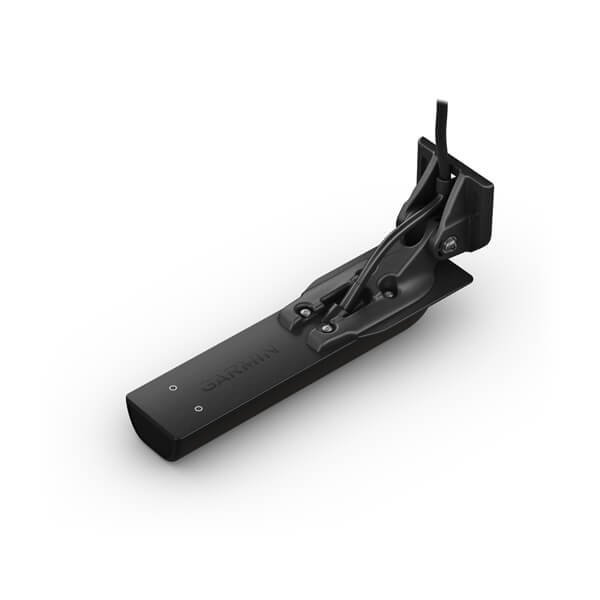
    New installs with no existing black box: go Garmin LiveScope 2 for the simpler wiring and direct MFD connection — see the Garmin LiveScope 2 HD Transducer (LVS42HD). Already running Humminbird sonar: MEGA Live 2 keeps everything in one ecosystem. Either way, both are genuine stock with full manufacturer warranty and UK & Europe delivery — get in touch if you’re not sure which fits your current setup.

  • Garmin ECHOMAP Ultra 2 vs Lowrance HDS Pro: 12-Inch Chartplotter Showdown

    Garmin ECHOMAP Ultra 2 vs Lowrance HDS Pro: 12-Inch Chartplotter Showdown

    Garmin ECHOMAP Ultra 2 vs Lowrance HDS Pro 12 inch chartplotter

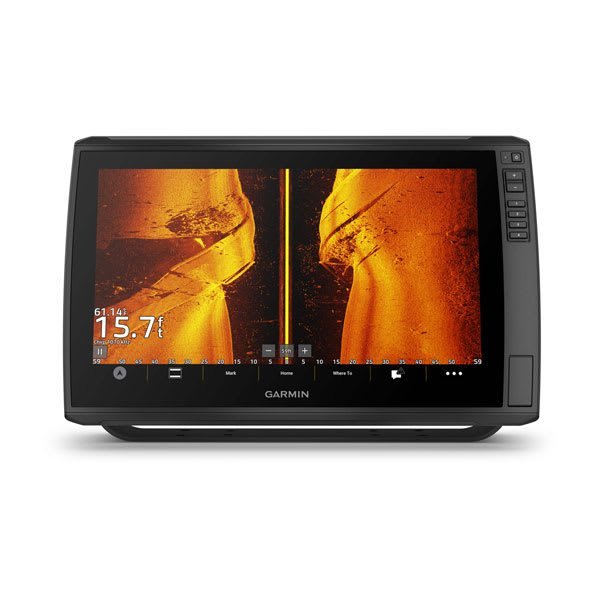
    If you’re shopping for a 12-inch chartplotter, the shortlist almost always comes down to two names: Garmin ECHOMAP Ultra 2 and Lowrance HDS Pro. Both are LiveScope/ActiveTarget-ready, both come in similar price bands, and both have loyal followings. We’ve sold and fitted plenty of each, so here’s how they actually compare.

    Screen and interface

    The ECHOMAP Ultra 2 runs Garmin’s familiar touchscreen UI with physical keypad backup — handy in rough conditions or with gloves on. The HDS Pro uses Lowrance’s SolarMAX HD display, which is noticeably brighter in direct sun, plus a hybrid touch/keypad layout of its own. In side-by-side testing on a bright afternoon, the HDS Pro’s screen held a very slight edge for glare; the ECHOMAP’s menus felt a touch more intuitive for first-time users.

    Sonar and live imaging

    Garmin pairs the ECHOMAP with GT-series transducers and is LiveScope-ready — arguably the most established forward-facing sonar on the market, now in its second generation with LiveScope 2. Lowrance counters with Active Imaging and ActiveTarget 2, which many bass anglers rate just as highly for real-time target tracking. Neither is a wrong choice; it often comes down to which ecosystem your local fishing community already runs, since shared knowledge and settings help.

    FeatureGarmin ECHOMAP Ultra 2 126svLowrance HDS PRO 12
    Display12-inch touchscreen + keypad12-inch SolarMAX HD touch + keypad
    Live sonarLiveScope-readyActiveTarget-ready
    ChartsNavionics+ preloadedC-MAP Discover OnBoard preloaded
    NetworkingGarmin Marine NetworkLowrance/Simrad NMEA 2000 ecosystem

    Our verdict

    Both units are excellent, genuine, well-supported chartplotters and you won’t go far wrong either way. If you already run other Garmin electronics or want the deepest LiveScope ecosystem, go ECHOMAP. If brightness in direct sun is your priority or you’re already invested in the Lowrance/Simrad/B&G network, the HDS Pro is the stronger pick. Browse the Garmin ECHOMAP Ultra 2 126sv Bundle or the Lowrance HDS PRO 12 Bundle — both genuine stock with UK & Europe delivery.

    FAQs

    Can I mix Garmin and Lowrance electronics on one boat? Yes, but they won’t share sonar/network data across brands, so most anglers standardise on one ecosystem per boat.

    Which has better resale value in the UK? Both hold value well; Garmin has a slight edge in the UK secondhand market currently. Unsure which is right for you? Get in touch and we’ll talk through your setup.

  • Humminbird HELIX vs Garmin ECHOMAP: Best Mid-Range Fish Finder Comparison

    Humminbird HELIX vs Garmin ECHOMAP: Best Mid-Range Fish Finder Comparison

    Humminbird HELIX vs Garmin ECHOMAP best mid-range fish finder

    In the £600-£1,000 mid-range bracket, Humminbird’s HELIX and Garmin’s ECHOMAP series are the two most popular combo fish finder/chartplotter ranges — both punch well above their price point. Here’s how they compare.

    UnitScreenPrice
    Garmin ECHOMAP UHD2 73cv GN+ with GT20-TM Transducer7-inch£747.99
    Garmin ECHOMAP UHD2 73sv Fish Finder Chartplotter – 7 Inch, GT54UHD Transducer7-inch£632.99
    Humminbird HELIX 7 CHIRP MEGA DI GPS G4N Fish Finder7-inch£632.99
    Humminbird HELIX 9 MEGA SI+ G4N with AutoChart Live9-inch£977.99

    Garmin’s Garmin ECHOMAP UHD2 73cv GN+ with GT20-TM Transducer (£747.99) and Garmin ECHOMAP UHD2 73sv Fish Finder Chartplotter – 7 Inch, GT54UHD Transducer (£632.99) both bring UHD2 sonar clarity and GPS mapping into a 7-inch display — the “sv” model adds Garmin’s scanning sonar (ClearVü/SideVü) over the “cv” model’s ClearVü-only setup, worth the price difference if reading structure detail matters to you.

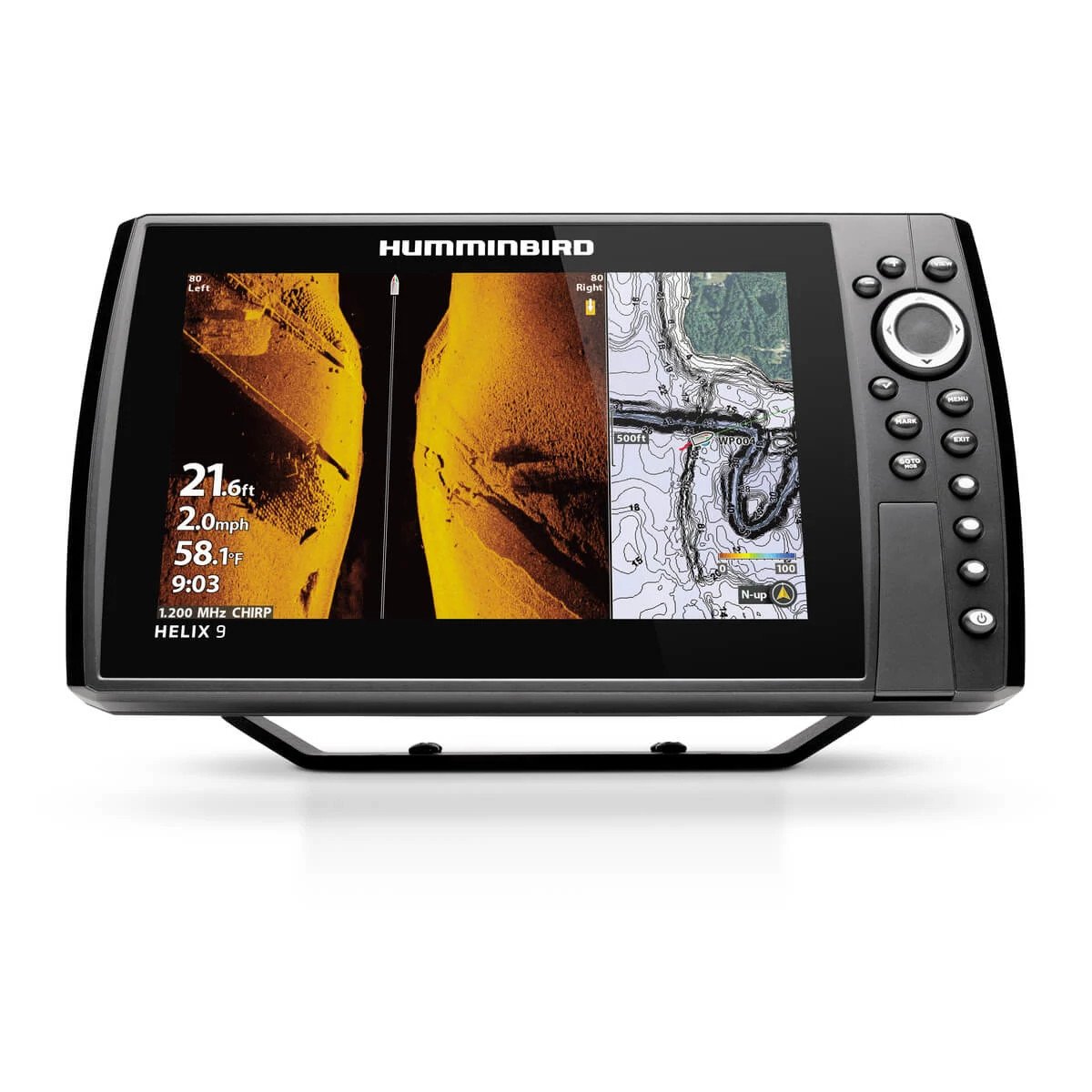
    Humminbird’s Humminbird HELIX 7 CHIRP MEGA DI GPS G4N Fish Finder (£632.99) matches the ECHOMAP on screen size while adding MEGA Down Imaging sonar, and the Humminbird HELIX 9 MEGA SI+ G4N with AutoChart Live (£977.99) steps up to a 9-inch screen with AutoChart Live for building your own depth maps.

    Which Should You Choose?

    • Choose ECHOMAP if you want Garmin’s Navionics chart ecosystem and a path to adding Panoptix LiveScope later.
    • Choose HELIX if you want MEGA Imaging sonar clarity and AutoChart Live’s self-building depth maps, particularly useful on less well-charted inland waters.
    • Prioritise screen size? The Humminbird HELIX 9 MEGA SI+ G4N with AutoChart Live gives the largest display in this bracket at £977.99.

    Frequently Asked Questions

    What’s the difference between “cv” and “sv” Garmin models?
    “cv” models include ClearVü scanning sonar only; “sv” models add SideVü for wider side-scanning coverage, at a higher price.

    Is MEGA Imaging better than Garmin’s scanning sonar?
    Both are strong performers — Humminbird’s MEGA Imaging is often praised for sharper structure detail, while Garmin’s ClearVü/SideVü integrates tightly with the wider Garmin ecosystem including LiveScope.

    Which is better value for a first combo unit?
    Both the Garmin ECHOMAP UHD2 73cv GN+ with GT20-TM Transducer and Humminbird HELIX 7 CHIRP MEGA DI GPS G4N Fish Finder sit at similar price points and are excellent first combo units — the choice mostly comes down to chart and ecosystem preference.

    Still deciding between HELIX and ECHOMAP? Our team can talk through your priorities — browse both ranges in our online shop.

  • Best Cooler for Fishing Trips: ENGEL Dry Box Guide

    Best Cooler for Fishing Trips: ENGEL Dry Box Guide

    best cooler for fishing trips ENGEL dry box guide

    A dedicated fishing cooler does more than keep drinks cold — it doubles as a livewell, a dry storage box, and often extra seating on a kayak or small boat. Here’s what makes a good one and our pick for kayak and small-boat anglers.

    ENGEL ENG35 35-Quart Kayak Dry Box Cooler Combo

    At £344.99, the ENGEL ENG35 35-Quart Kayak Dry Box Cooler Combo combines a 35-quart dry storage cooler with a design built specifically to sit behind a kayak seat — rod holder mounts, a comfortable seat-height lid and genuinely solid ice retention for a full day, or multiple days, on the water.

    What to Look for in a Fishing Cooler

    • Ice retention: rotomolded and vacuum-insulated coolers hold ice significantly longer than basic foam coolers — worth the extra cost for multi-day trips.
    • Kayak compatibility: check the footprint fits your kayak’s tank well or rear deck, and whether it’s designed to double as a seat.
    • Rod holder and accessory mounts: a genuine convenience upgrade if you’re already running a track-mount accessory system.
    • Drainage: a drain plug makes emptying meltwater far easier than tipping the whole cooler.

    Frequently Asked Questions

    Can I use a fishing cooler as a livewell?
    Many anglers do, with an aerator added — check the cooler isn’t treated with anything that could harm fish if you plan to keep catch alive in it.

    How long does ice last in a quality cooler?
    Rotomolded coolers like the ENGEL ENG35 typically hold ice for several days in moderate conditions, depending on ambient temperature and how often it’s opened.

    Does it fit standard kayak track systems?
    Check compatibility with your specific kayak and track system — see our kayak accessories guide for mounting options.

    Looking to complete your kayak fishing setup? Our team can advise on cooler sizing and mounting — browse the full range in our online shop.

  • Garmin ECHOMAP vs Lowrance HDS: Which Chartplotter Series is Best?

    Garmin ECHOMAP vs Lowrance HDS: Which Chartplotter Series is Best?

    Garmin ECHOMAP vs Lowrance HDS chartplotter series comparison

    Garmin’s ECHOMAP and Lowrance’s HDS are two of the best-selling chartplotter/fish finder combo series on the market, and both span a wide range of screen sizes and price points. Here’s how the two ranges compare.

    SeriesModelPrice
    Garmin ECHOMAPGarmin ECHOMAP UHD2 73sv Fish Finder Chartplotter – 7 Inch, GT54UHD Transducer£632.99
    Garmin ECHOMAPGarmin ECHOMAP Ultra 2 122sv with GT56UHD-TM Transducer£2199.99
    Garmin ECHOMAPGarmin ECHOMAP Ultra 2 106sv 10-Inch LiveScope Plus Bundle£2758.99
    Lowrance HDSLowrance HDS-9 PRO with Active Imaging 3-in-1 Transducer£1954.99
    Lowrance HDSLowrance HDS PRO 9 with Active Imaging HD Transducer£2299.99
    Lowrance HDSLowrance HDS Pro 12 with Active Imaging HD 3-in-1 Transducer£3199.99

    Garmin ECHOMAP: Built for the Garmin Ecosystem

    ECHOMAP units run Garmin’s chartplotter software, with Navionics or Garmin Nautical charts and compatibility with Panoptix LiveScope live sonar — several models, like the Garmin ECHOMAP Ultra 2 106sv 10-Inch LiveScope Plus Bundle, even come bundled with LiveScope Plus included. If you already run other Garmin devices (handhelds, watches, autopilot), the ECHOMAP series integrates seamlessly.

    Lowrance HDS: Shared Platform with Simrad and B&G

    The HDS series runs on the same underlying platform as Simrad and B&G displays, meaning the interface and networking will feel familiar if you’ve used either brand before. HDS units support Active Imaging and ActiveTarget live sonar, with C-MAP charts as standard.

    Which Should You Choose?

    • Choose ECHOMAP if you want Garmin’s ecosystem, Navionics charts, or plan to add Panoptix LiveScope — several bundles already include it.
    • Choose HDS if you want C-MAP charts, plan to network with Simrad/B&G electronics, or prefer Lowrance’s ActiveTarget live sonar system.
    • Budget-conscious: the Garmin ECHOMAP UHD2 73sv Fish Finder Chartplotter – 7 Inch, GT54UHD Transducer at £632.99 is the most affordable entry point into either ecosystem on this list.

    Frequently Asked Questions

    Are ECHOMAP and HDS interchangeable on a network?
    No — each brand’s networking (Garmin Marine Network vs Lowrance/Simrad’s shared network) is proprietary, so mixing brands for shared sonar or radar isn’t possible.

    Which has better sonar out of the box?
    Both include capable imaging sonar in their bundled transducers — the real differentiator is which live sonar ecosystem (LiveScope vs ActiveTarget) you might want to add later.

    Do both include UK charts?
    Check the specific bundle — some include Navionics+ or C-MAP UK coverage, others require a chart card purchased separately.

    Deciding between ECHOMAP and HDS? Our team can help you weigh up ecosystem and features — browse both ranges in our online shop.